Peptide Therapy
·24 min read
Bodybuilding and Precision Peptides: Turning the Body's Own Signals Into Muscle, Recovery, and Time
Peptides are having their moment — from the podcast studio to the med spa to the boardroom. Here is what the science actually promises: which molecules have earned their reputation, and why the professionals who understand precision are becoming the most valuable people in the room.
By Tony Medrano & Tobias Young
The "Wolverine Stack" Heard Around the World
When the most-listened podcaster on Earth tells tens of millions of people that a tiny chain of amino acids cleared his chronic elbow tendonitis in two weeks, the culture moves. Joe Rogan has done exactly that — repeatedly crediting the injury-repair peptide BPC-157, pairing it with TB-500 in what he nicknamed the Wolverine Stack, and describing recovery that felt, in his words, like healing years younger.[1] Notably, Rogan uses these compounds under a physician's care and is candid that much of the evidence still comes from animal studies — a level of nuance the internet usually forgets.[2]
The moment crystallized in February 2026, when HHS Secretary Robert F. Kennedy Jr. went on Rogan's show and signaled that the FDA would revisit its restrictions on a slate of therapeutic peptides — sending demand, and excitement, vertical.[3] Peptides had officially crossed from the biohacker fringe into the mainstream longevity conversation.
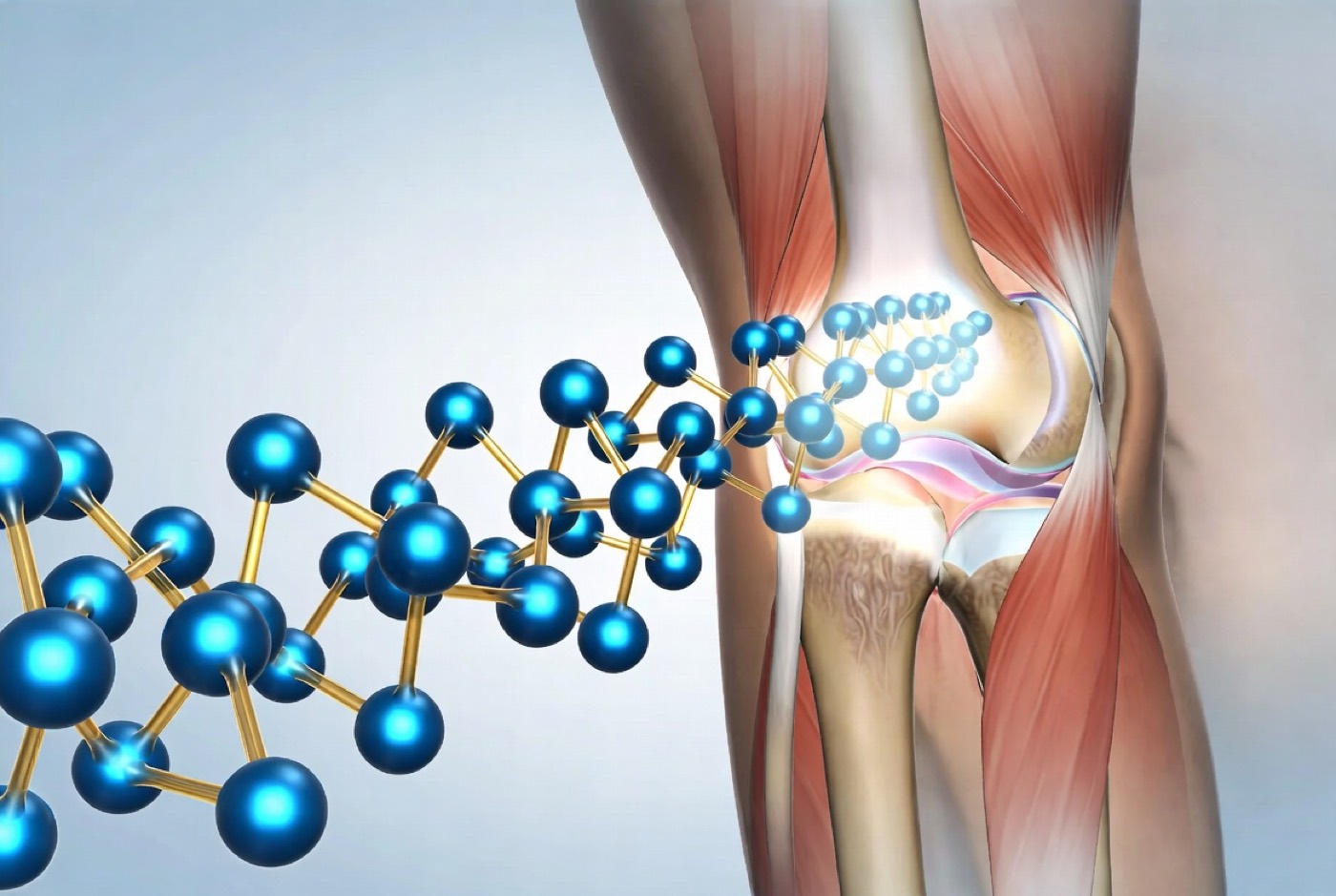
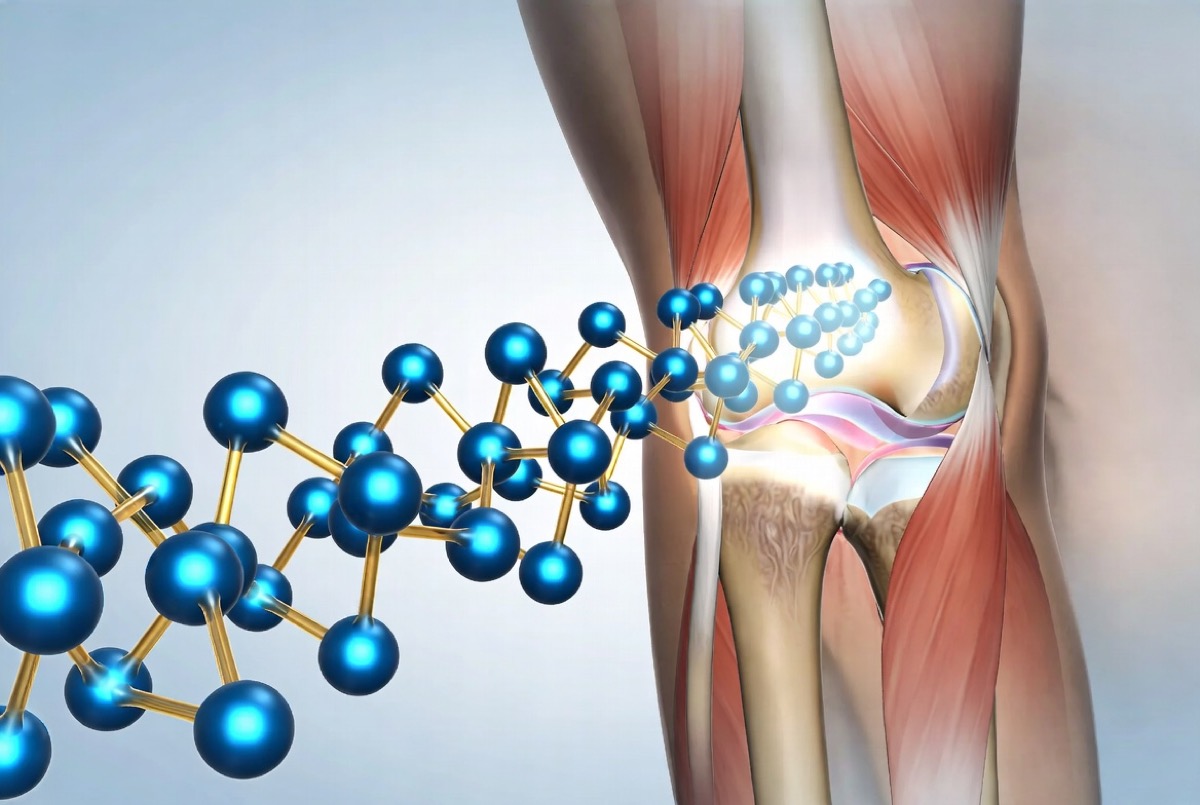
Figure 1. Peptides: The Body's Own Recovery Signals. Short chains of amino acids act as the body's biological messengers — telling cells when to build muscle, repair tissue, and recover.
This is a genuinely hopeful development, and it deserves an optimistic read. Peptides are not exotic chemicals; they are the language the body already speaks — short protein fragments that signal cells to build, repair, and regulate. The most culturally famous metabolic medicine of the decade proves the point: the first GLP-1 drug, exenatide, began life as a peptide in the venom of the Gila monster before it reshaped how the world thinks about weight.[4] Nature has been writing these molecules for a very long time. We are only now learning to read them precisely.
And precision is the whole game. The same peptide, at the same dose, can transform one person and do almost nothing for another — and the reason is written in their DNA and revealed in their bloodwork. The exciting frontier is not simply which peptide. It is matching the right signal to the right biology, then measuring the response. That is where this article, and the future of the field, is headed.
A quick map for the reader. We'll sort peptides into three honest groups — the proven (FDA-approved drugs and supplements with real randomized trials), the emerging (strong mechanisms, promising early human data), and the frontier (dazzling animal results, human confirmation underway). All three are worth understanding. Knowing which is which is precisely the expertise that separates a great practitioner from a hopeful guesser.
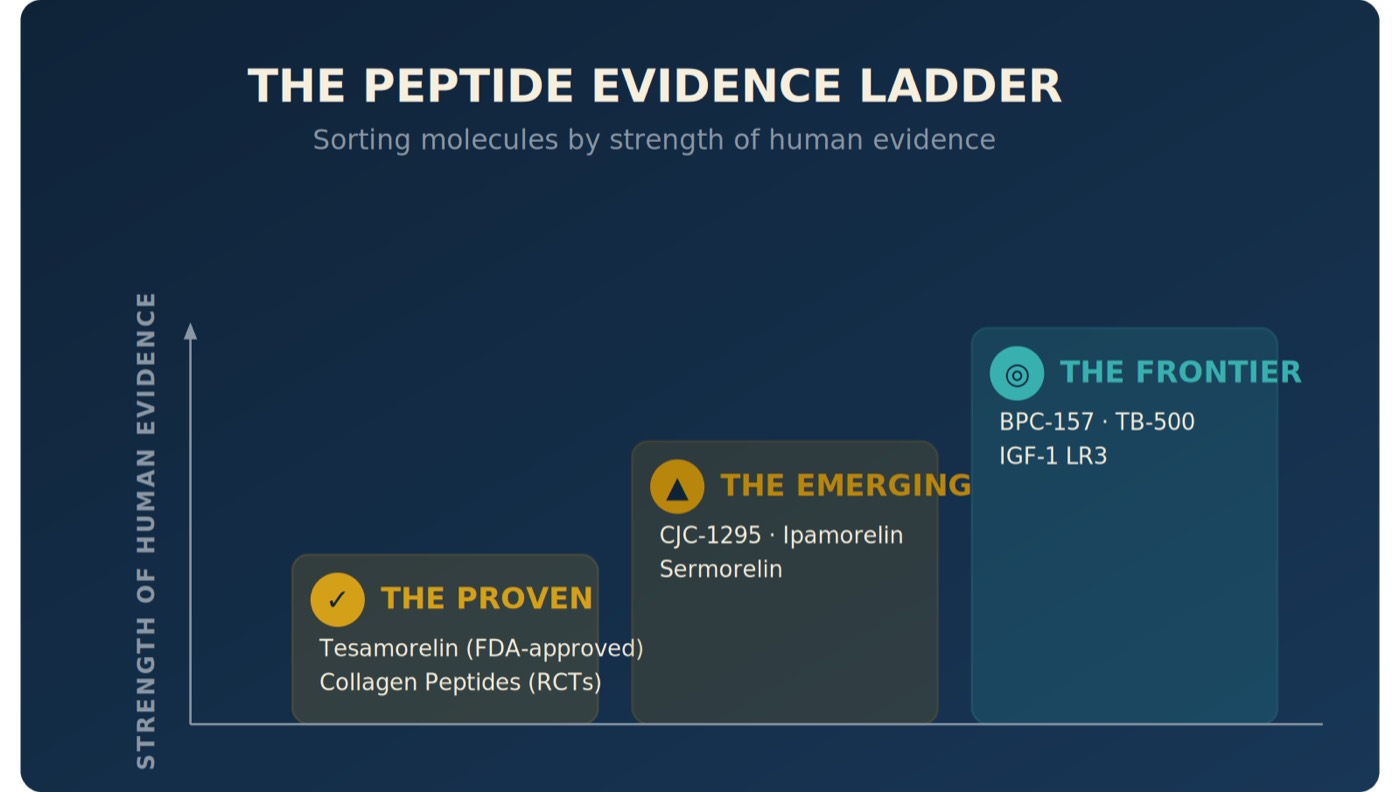
Figure 2. The Peptide Evidence Ladder: Proven, Emerging, Frontier. Not all peptides are equal. Sorting them by evidence is exactly the expertise that separates a great practitioner from a hopeful guesser.
The Body's Volume Knob: The GH/IGF-1 Axis
Most of the "muscle and recovery" peptides everyone is talking about pull on a single, elegant control system: the growth hormone / insulin-like growth factor-1 (GH/IGF-1) axis. The hypothalamus releases growth hormone-releasing hormone; the pituitary answers in pulses of growth hormone; the body converts those pulses into IGF-1, which drives protein synthesis, fat mobilization, and tissue repair. This axis is loud in youth and quiets with age. The great promise of the GHRH-analog and secretagogue peptides is that they turn the volume back up the natural way — by asking your own pituitary to release your own growth hormone in its own rhythm, with your own feedback brakes still engaged.[5] That is a fundamentally gentler idea than injecting growth hormone directly, and it is the honest core of the peptide optimism.
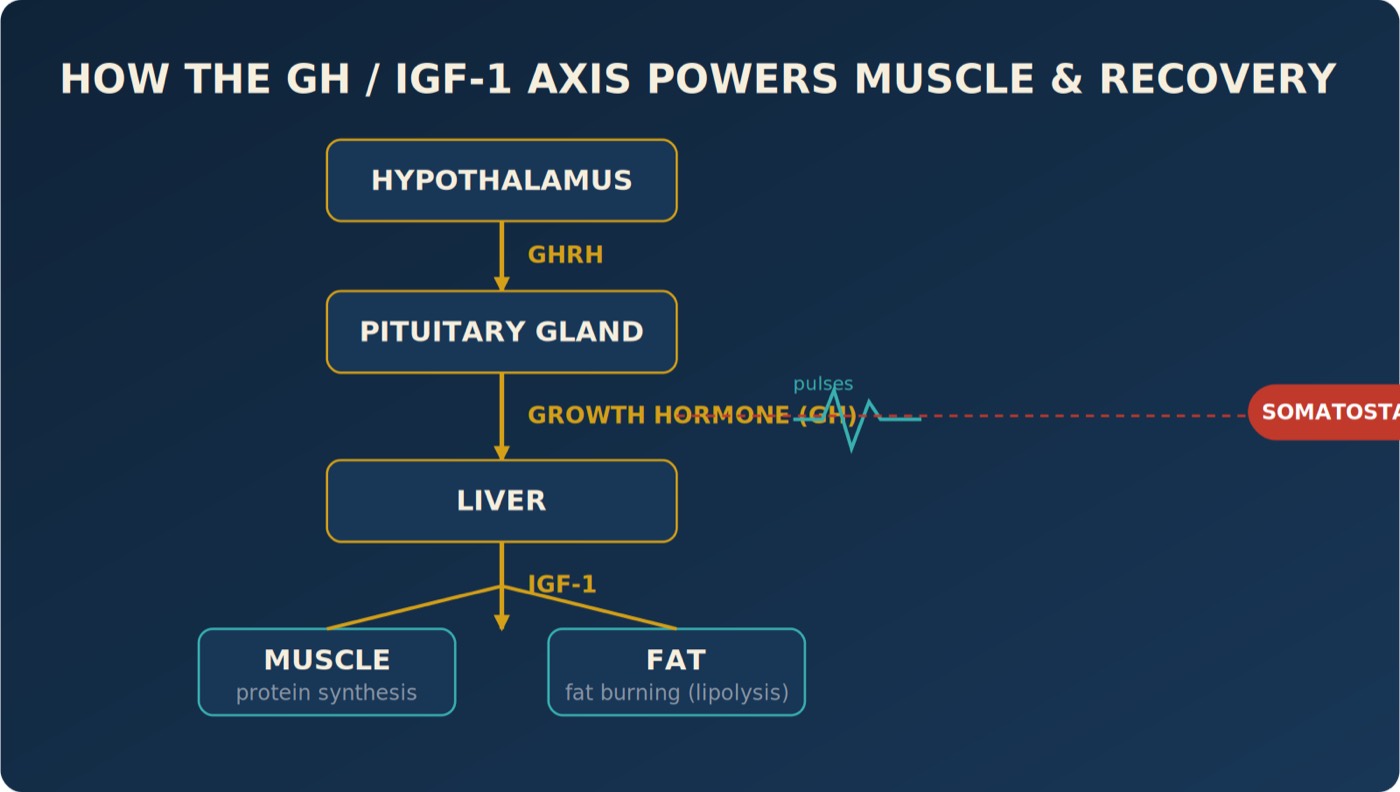
Figure 3. How the GH/IGF-1 Axis Powers Muscle and Recovery. The GH/IGF-1 axis: your hypothalamus signals your pituitary, which pulses growth hormone, which your body converts into IGF-1 to build and repair — the pathway most “muscle and recovery” peptides gently amplify.
There is one beautiful wrinkle that any serious longevity thinker should savor rather than hide. Across the human lifespan, the people who reach exceptional old age tend to run this axis quietly: Nir Barzilai and Sofiya Milman's centenarian research at the Albert Einstein College of Medicine found that lower IGF-1 predicted survival among the longest-lived, and that IGF-1 Receptor variants that dampen the signal were enriched in centenarians.[6] So building muscle in a 68-year-old and maximizing the odds of reaching 100 are not the same objective, and they may call for different settings at different life stages. This is not a reason for pessimism — it is the reason personalization exists. The dial is real, individual, and can be set with data.
Why the Same Shot Changes Two People
If the last section was about how much IGF-1 you carry, this one is about how loudly your cells hear it — and it is the single most empowering fact in the field, because it makes the case for testing before touching a needle. Humans carry two versions of the growth hormone receptor, and they do not hear the same signal equally.
Roughly half of people of European descent carry a receptor isoform missing exon 3 — the d3-GHR variant. In landmark work published in Nature Genetics, carriers showed a 1.7- to 2-fold greater growth response to the same dose of growth hormone, with signaling roughly 30% stronger in the lab.[7] Same molecule, same dose, up to double the effect — decided at birth. And here is a second, distinct centenarian clue: Danny Ben-Avraham, Gil Atzmon, and Nir Barzilai reported in Science Advances that this GH-sensitizing variant is enriched in male centenarians, whose homozygous carriers lived on average about a decade longer.[8] One study says the long-lived run the axis quietly; another says a more sensitive receptor helps men live longer. The apparent tension is the whole point: the GH/IGF-1 story is a landscape, not a straight line, and your genotype tells you where on it you actually stand.
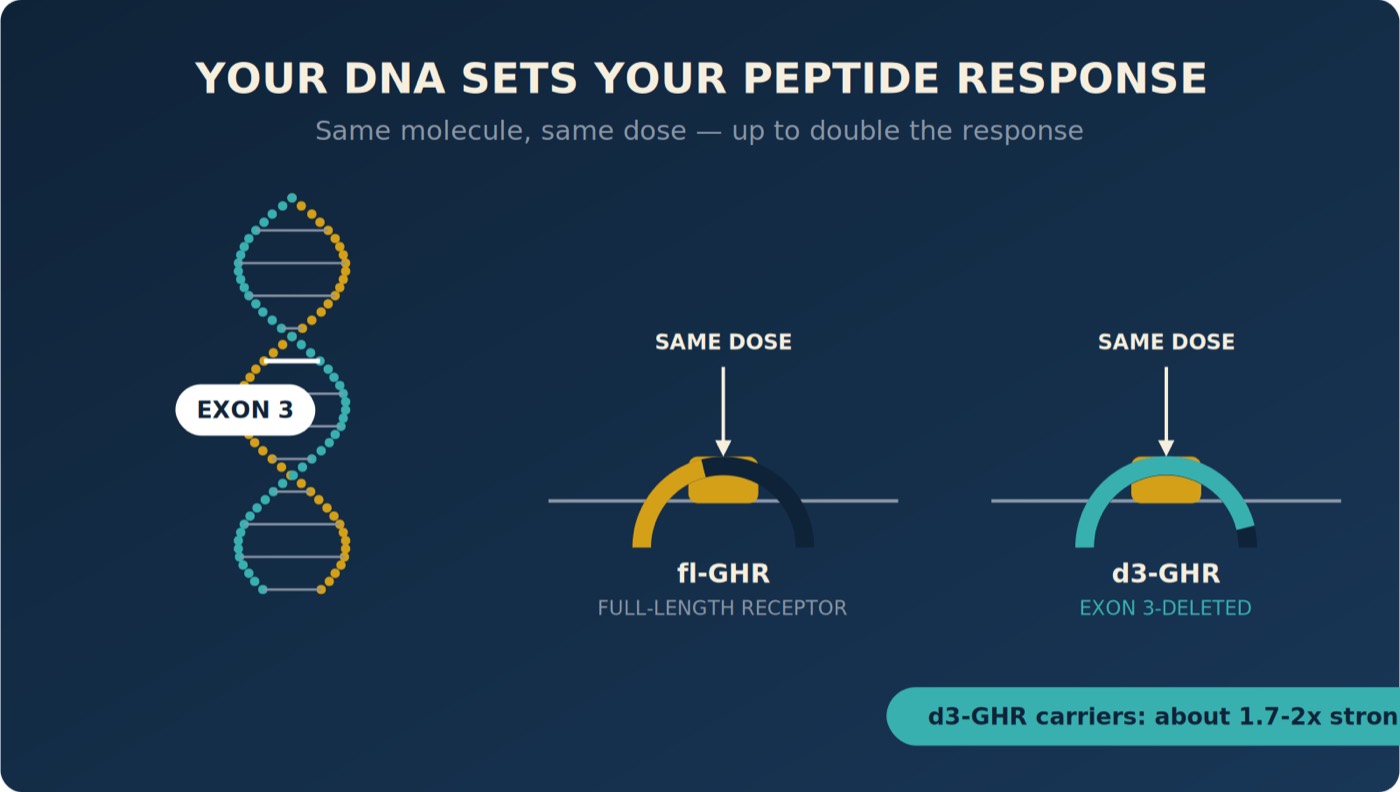
Figure 4. Your DNA Sets Your Peptide Response. Same molecule, same dose — up to double the response. About half of people of European descent carry the exon-3-deleted (d3-GHR) receptor, which responds to growth-hormone signals more strongly.
This is the scientific bedrock beneath a Digital Twin for Predictive Peptide Performance™: before anyone considers a protocol, a genetic assessment — of the kind offered by specialists such as The Genomics Company — establishes how loudly a given person's receptors will actually read a signal. Receptor genotype, IGF-1 handling, and drug-metabolism variants become the first inputs, not afterthoughts. Genetics don't tell you what to want; they tell you what a molecule is likely to do once it arrives — the difference between a personalized plan and an expensive coin flip.
The Proven: Peptides With the Receipts
Tesamorelin** — the GHRH peptide the FDA actually approved**
If one growth-hormone peptide deserves a standing ovation, it is this one, because it earned its applause the hard way. Tesamorelin is a 44-amino-acid GHRH analog, FDA-approved in 2010 (as Egrifta) to melt excess visceral abdominal fat in adults with HIV-associated lipodystrophy — and the manufacturer, Theratechnologies, won approval for a longer-acting reformulation in 2025, a sign of continued investment.[9] The pivotal New England Journal of Medicine trial led by Julian Falutz randomized 412 patients and cut visceral fat by roughly 15% in 26 weeks — while sparing the subcutaneous fat you can pinch.[10] That selectivity is the signature of a natural GH pulse, which lands preferentially on the deep, metabolically dangerous abdominal depot.

Figure 5. Targeting the Fat That Matters Most: Visceral vs. Subcutaneous. Tesamorelin's natural growth-hormone pulse lands preferentially on visceral fat — the deep, metabolically risky fat around your organs — while sparing the subcutaneous fat you can pinch.
Then it went further. Steven Grinspoon and Takara Stanley's group at Massachusetts General Hospital and Harvard showed in randomized, placebo-controlled trials that tesamorelin reduced liver fat and helped prevent fibrosis progression over a year — the first agent shown effective against fatty liver disease in that population.[11] This is peptide science done immaculately: registered trials, hard imaging endpoints, even follow-up work mapping who responds and why.[12]
There is a timely hook for anyone already riding the GLP-1 wave. Semaglutide and tirzepatide (from Novo Nordisk and Eli Lilly) strip weight off in roughly the same proportion as fat is distributed; they are not selective for the visceral depot. Tesamorelin's mechanism is. The stubborn ring of deep belly fat that survives a dramatic GLP-1 weight loss is not a willpower failure — it is a mechanism gap, and it is exactly the kind of nuance a knowledgeable clinician-and-coach team can turn into a smarter plan. (Its approved use is HIV-associated lipodystrophy; everything else is off-label physician territory, and because it raises IGF-1 and can nudge glucose, baseline and follow-up labs are the price of admission.)[13]
Collagen peptides** — the humble powerhouse with a decade of trials**
Here is the plot twist the luxury market underrates: the peptide with the strongest human muscle evidence is the one you can stir into your morning coffee. Denise Zdzieblik and Daniel König's team at the University of Freiburg have run a beautiful sequence of randomized, double-blind, placebo-controlled trials on 15 grams a day of specific collagen peptides taken alongside resistance training. In sarcopenic men over 65, the collagen group gained significantly more fat-free mass and lost more fat than the placebo group while doing the same workouts.[14] The result was replicated in premenopausal women and in young active men,[15] and a 2026 follow-up traced the mechanism to increased type-I collagen density in the muscle's force-transmitting scaffolding.[16] For an aging athlete or a rebuilding executive, strengthening the architecture around the fibers may be the more valuable win.
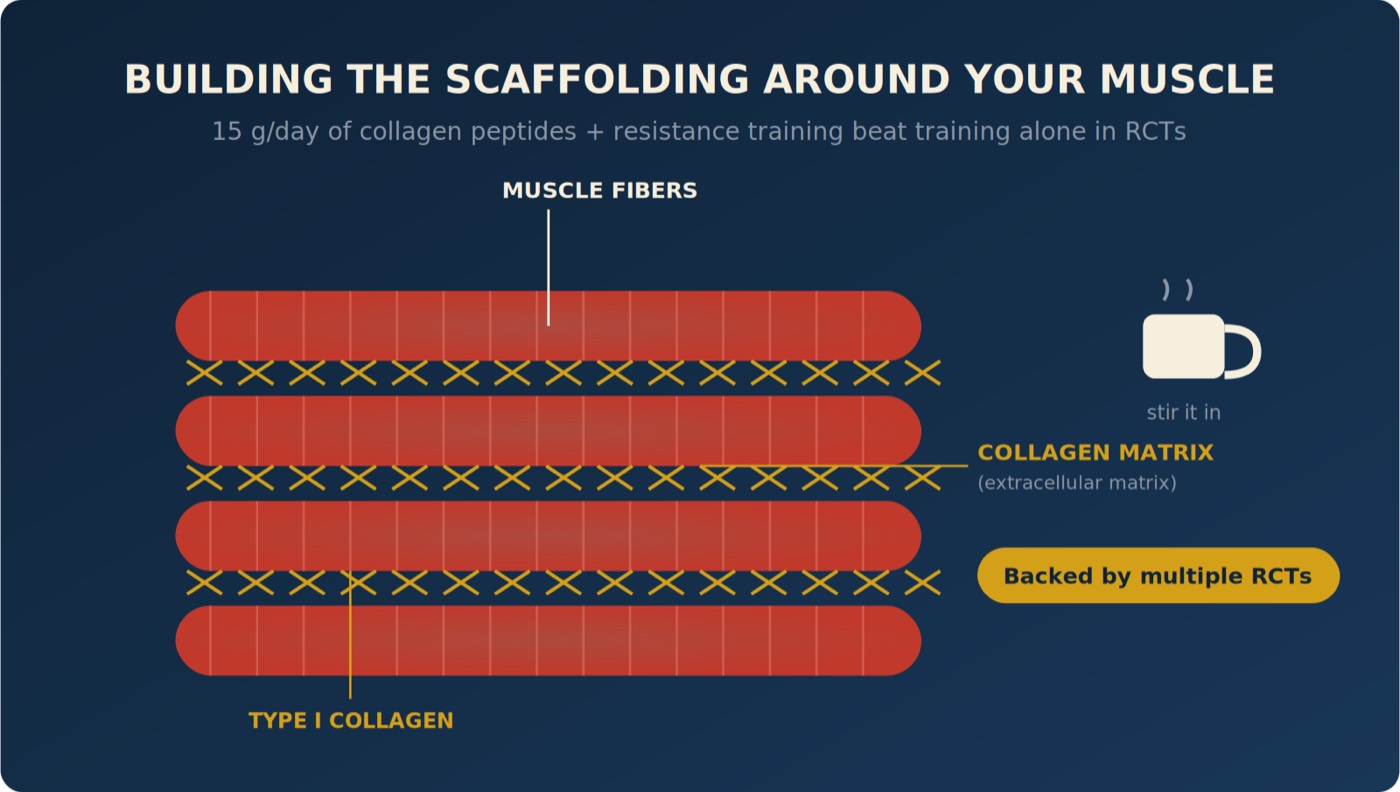
Figure 6. Building the Scaffolding Around Your Muscle. 15 g of collagen peptides a day plus resistance training beat training alone in multiple randomized trials — strengthening the connective-tissue matrix that transmits force.
Collagen for skin** — the beauty case, with real data behind it**
For the aesthetics world, collagen peptides are that rare thing: a supplement the clinical literature genuinely supports. In randomized, placebo-controlled trials, oral bioactive collagen peptides significantly improved skin elasticity and hydration and reduced eye-wrinkle volume within four to eight weeks — with dermal biopsies showing measurably increased procollagen type I and elastin synthesis.[17] Multiple independent RCTs, several in women aged 35–60, have replicated those hydration, elasticity, and wrinkle benefits, with excellent tolerability.[18]
No wonder collagen jumped from the athlete's cabinet to the celebrity vanity. Jennifer Aniston has been Chief Creative Officer of Vital Proteins since 2020 and a daily collagen user for years, telling interviewers she has "seen the results."[19] The difference between a glowing testimonial and a clinical claim is the trial data — and here, unusually, the data backs the glow. That makes collagen a molecule an aesthetician, a dietitian, or a beauty-focused coach can recommend today, in good conscience, with the studies to prove it — and it pairs naturally with the muscle-and-longevity story rather than competing with it.
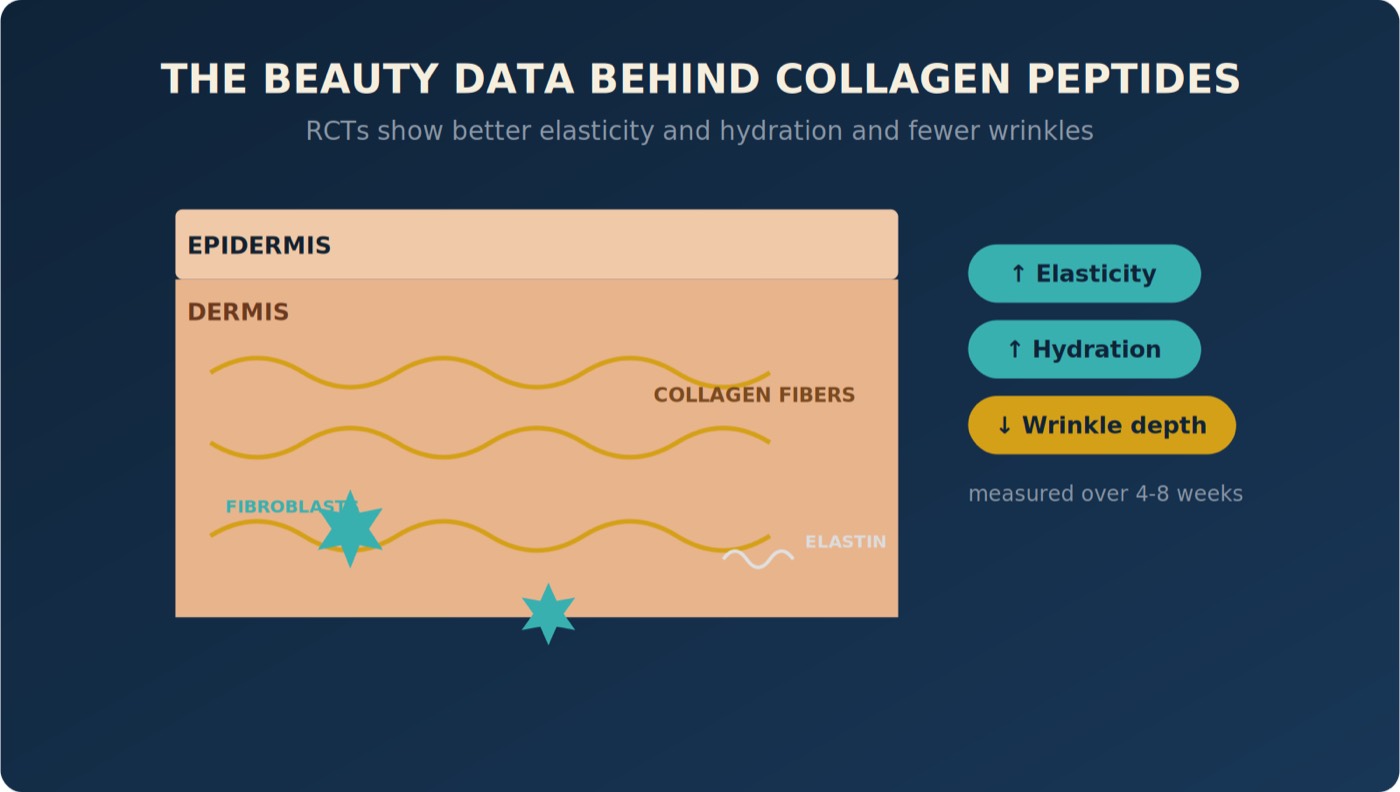
Figure 7. The Beauty Data Behind Collagen Peptides. In randomized trials, oral collagen peptides improved skin elasticity and hydration and reduced eye-wrinkle volume — with biopsies showing more procollagen and elastin.
The Emerging: Riding the Growth-Hormone Pulse
CJC-1295 & Ipamorelin
This is the pairing the wellness world loves, and the enthusiasm is understandable. CJC-1295 (a GHRH analog) raises the amplitude of GH pulses; ipamorelin (a clean, selective secretagogue) adds a crisp pulse without meaningfully spiking cortisol or prolactin. Together they aim to restore youthful GH rhythms — with users and clinicians reporting benefits to body composition, recovery, and especially sleep quality — while keeping the body's feedback intact, so you can't easily push growth hormone into supraphysiologic territory the way direct injection can.[20] The mechanism is coherent and genuinely promising. The honest note is simply that these specific molecules have limited long-term human outcome data toward these specific goals, which is exactly why establishing a baseline IGF-1 first is so valuable: if your axis is already age-appropriate, there is less for the intervention to correct. This is emerging science with a bright trajectory — and a class best navigated with a clinician and a data trail.
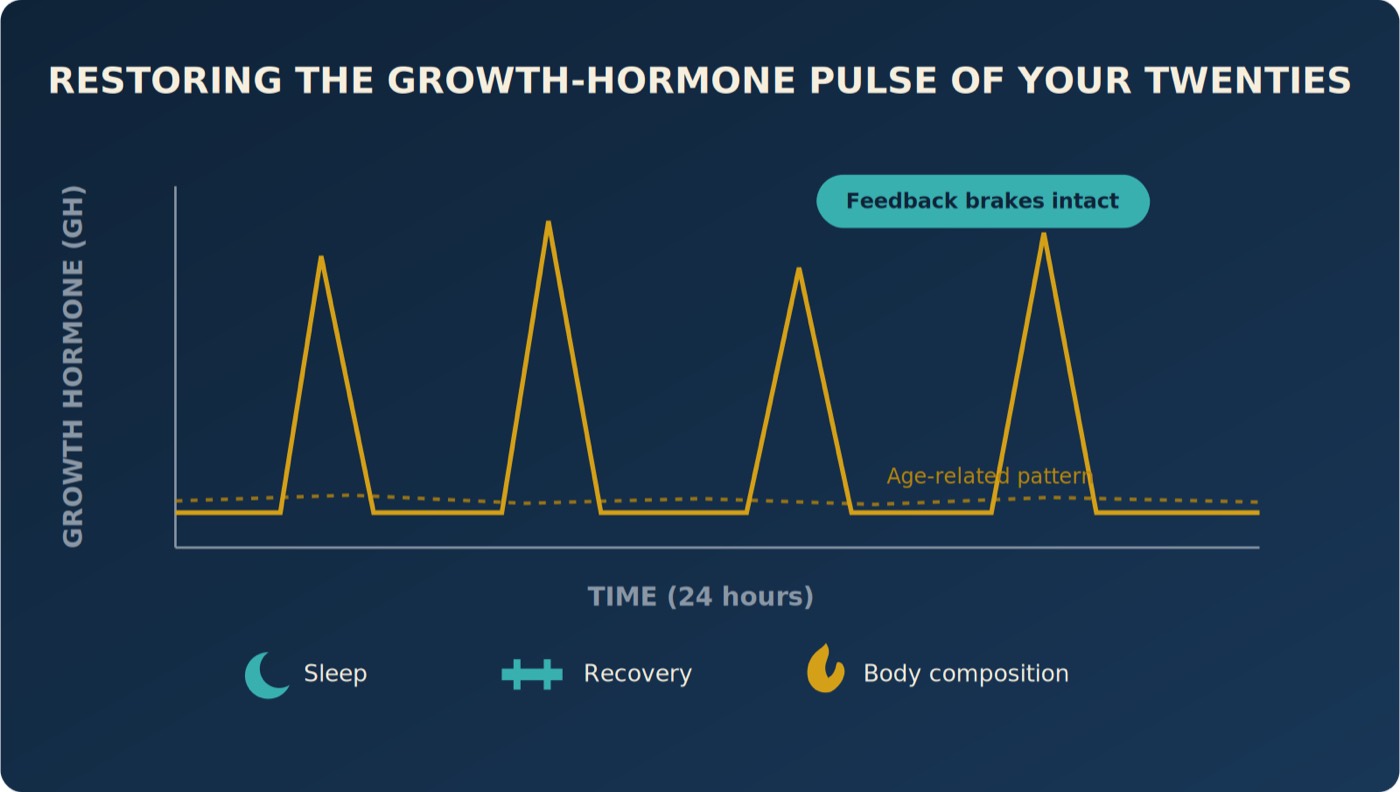
Figure 8. Restoring the Growth-Hormone Pulse of Your Twenties. CJC-1295 raises the amplitude of your natural growth-hormone pulses and ipamorelin adds a clean pulse — with feedback brakes intact, so levels stay in the body's own range.
Sermorelin
Sermorelin — the first 29 amino acids of GHRH — is the veteran of the group, once FDA-approved for pediatric growth hormone deficiency and now widely compounded by pharmacies for adult GH support.[21] Same upstream, feedback-preserving logic; same reward for measuring before and after. Its long real-world track record is part of why practitioners find it approachable.
The Frontier: Where Excitement Outruns the Trials
BPC-157** — the regeneration story everyone is chasing**
No peptide captures the imagination like BPC-157, and for good reason. It is a synthetic 15-amino-acid fragment derived from a protein found naturally in human gastric juice, and it has one of the deepest preclinical portfolios in the field — more than 100 published studies.[22] In animal models, it has been linked, repeatedly and strikingly, to accelerated tendon-to-bone and ligament healing, new blood-vessel formation (angiogenesis), nerve protection, and gut repair, with a notably clean side-effect profile in those studies.[23] That is a genuinely exciting body of evidence, and it is why athletes, surgeons' patients, and high performers keep asking about it — and why Rogan's two-week tendonitis story resonated so widely.
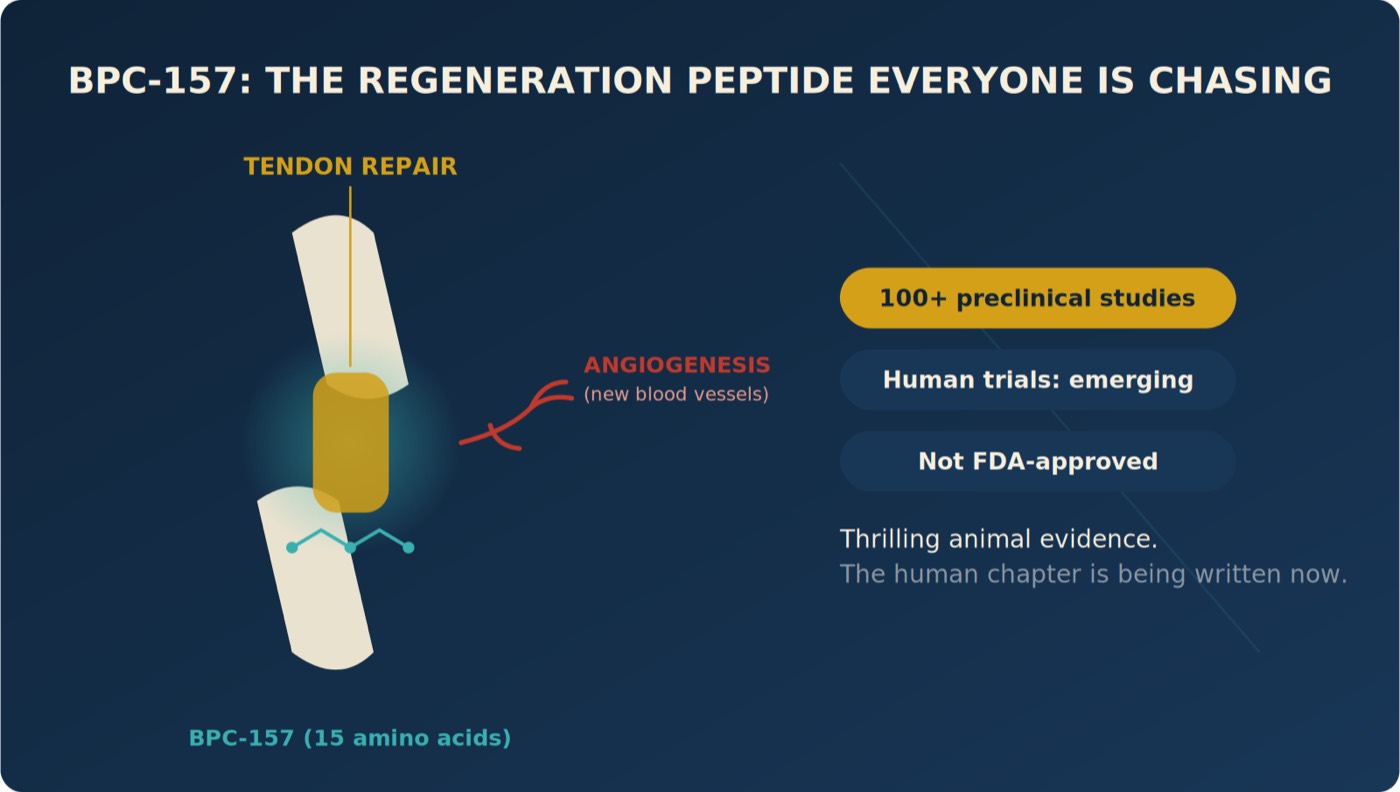
Figure 9. BPC-157: The Regeneration Peptide Everyone Is Chasing. In 100+ animal studies, BPC-157 has been linked to tendon healing and new blood-vessel growth. The animal evidence is thrilling; the human chapter is being written now.
TB-500 (Thymosin β4)** and **IGF-1 LR3
TB-500, a synthetic fragment of the naturally occurring protein thymosin β4, is the systemic complement to BPC-157's local repair. Its preclinical story centers on actin regulation, cell migration to injury sites, and wound-healing cascades — an elegant mechanism for whole-body recovery that has fueled the "Wolverine Stack" pairing.[24] IGF-1 LR3 is a long-acting IGF-1 that signals muscle receptors directly and potently — the most anabolic idea in the group, and correspondingly the one that most deserves the centenarian paradox's caution and true clinical guidance. Both are firmly frontier compounds: rich in promise, thin in human trials, and best treated as the cutting edge rather than the starting line.
A word for competitors
If you race, lift, or ride under anti-doping rules — or your child does, chasing a scholarship — the frontier (and much of the rest) is off-limits by design. The 2026 World Anti-Doping Agency list places this entire growth-hormone peptide class, plus TB-500 and BPC-157, in prohibited categories, and detection reaches picogram levels under strict liability.[25] An FDA approval does not equal a competition clearance. For the tested athlete, the edge lives in measurement, recovery science, and the legal, evidence-backed tools — not in the syringe.
The Engine Room: How Precision Turns Molecules Into a Plan
Aviation and motorsport solved a version of this problem decades ago. They don't wait for the engine to fail; they instrument everything, model the healthy baseline, and act on the deviation before it becomes a breakdown. Predictive maintenance for a race car is the same discipline as predictive medicine for a person — and it is what elevates peptide science from hopeful to reliable.
A credible longevity system has three honest layers. The sensor layer streams continuous physiological data from wearables — sleep architecture, heart rate variability, resting heart rate — alongside periodic bloodwork; for any GH-axis plan, the non-negotiable markers are IGF-1 against an age-adjusted range, fasting glucose and HbA1c, and lipid and inflammatory panels. The intelligence layer is where it gets thrilling: proteomic platforms (Olink, Quanterix) can now read thousands of circulating proteins at once, and the same Grinspoon group used exactly this kind of proteomic and transcriptomic mapping to identify tesamorelin responders — the real, publishable version of "personalization."[26] Underneath both sits the fixed constraint most protocols never check: your receptor genotype, which sets how loudly your tissues even hear the signal.
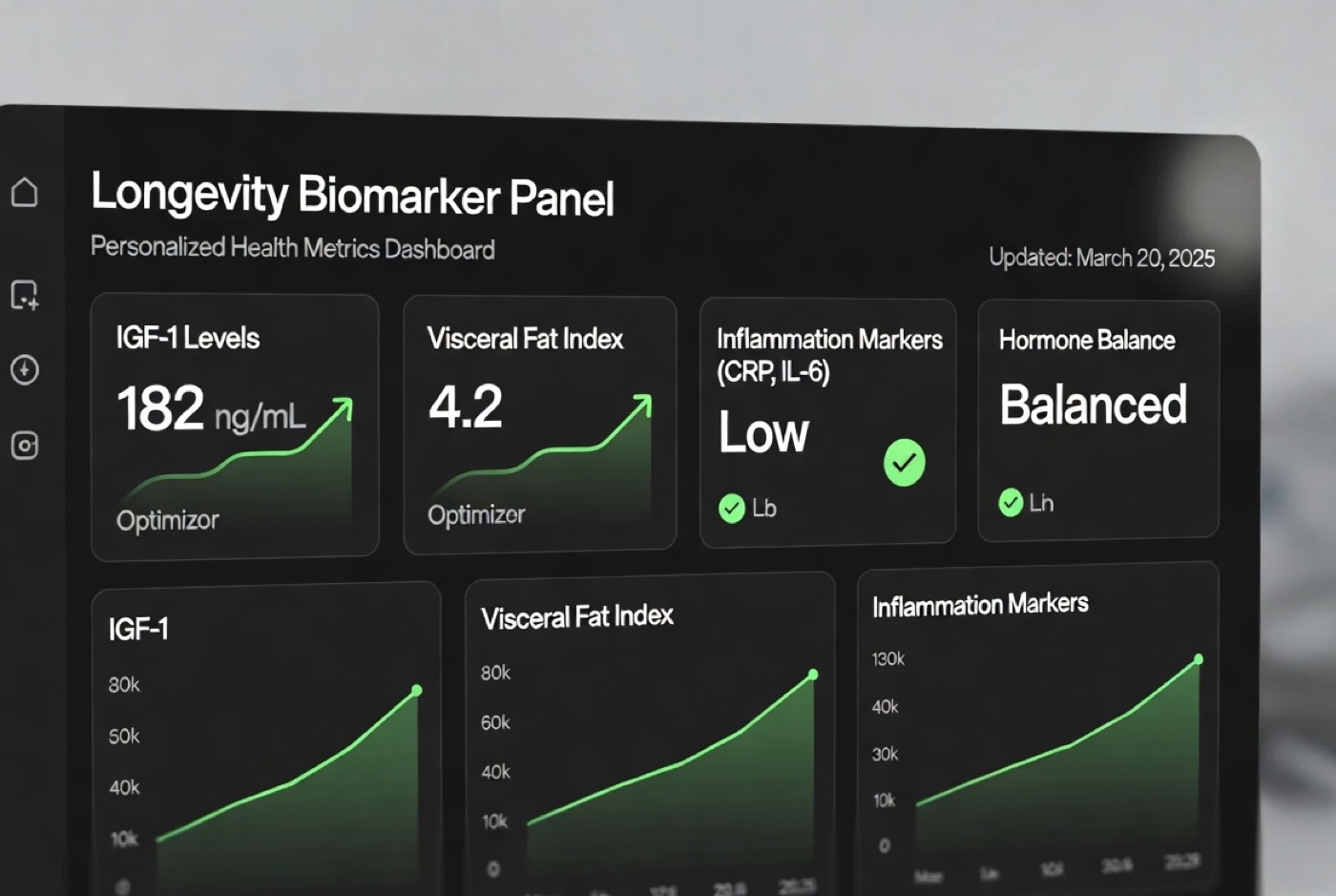
Figure 10. How a Digital Twin Turns Your Data Into a Plan. A Digital Twin for Predictive Peptide Performance™ fuses three layers — wearable data, deep bloodwork, and your genome — into a personalized, testable prediction.
Feed that multi-modal health data into a model and predictive modeling stops being a slogan. It becomes a testable claim — given this genotype, this baseline IGF-1, and this recovery trend, here is the expected response and the risk to watch. Every subsequent lab draw either confirms the twin or corrects it. In a system like that, the molecule is the smallest, most replaceable part of the whole apparatus.
The People Who Make It Work
Here is the part the technology conversation keeps missing. Data does not change anyone's life. People do — and the professionals who translate this science into results are becoming the most valuable players in health and beauty. Weight-loss and performance coaches, dietitians and nutritionists, executive coaches, aesthetic practitioners, and the credible educators shaping this conversation online are the front line where molecules become outcomes.
Precision peptide science is a force-multiplier for exactly these professionals. A dietitian who can explain why 15 grams of collagen plus resistance training has multiple RCTs behind it — and can read a client's IGF-1 trend — is operating at a different level than one trading in generic advice. A performance coach who understands the difference between the proven, the emerging, and the frontier can steer clients toward what is safe and legal for their sport and away from what will cost them a season. An aesthetic practitioner armed with collagen-and-skin trial data can offer more than a promise: evidence. And an executive coach who frames longevity as a measurable, plannable asset gives high performers a reason to invest in the decades ahead, not just the next quarter.
This is the model a Coach / Practitioner and an Athlete / Patient can build together: read the same twin, adjust together, and let AI-powered coaching improvements sharpen the plan as the data accumulates. The food-derived, evidence-backed tools — collagen chief among them — are ones a coach or dietitian can confidently deploy today, while the prescription and frontier peptides stay in a collaborative clinical lane. For organizations, the same machinery becomes a Corporate Wellness Program that catches metabolic drift years before it becomes disability — arguably the highest-ROI way to extend a senior team's most valuable contributions. The expertise is the product. The peptides are just the vocabulary.
The winners of the longevity decade won't be the people with the most exotic molecules. They'll be the practitioners — and the clients who found them — who knew how to measure, interpret, and personalize.
Where to Get Measured
Because the value lives in the data infrastructure, the meaningful way to compare longevity providers is by what each actually optimizes. The stakes are real enough that in November 2025, Function Health closed a $298 million round, and by January 2026 it was in federal court against rival Superpower over — of all things — the definition of a "biomarker." A lawsuit about a data point tells you where the value sits.[27]
Sorted by strength: Function Health (founded by Mark Hyman) leads in breadth — 100+ biomarkers and early-detection screening, with a 2026 price cut that will widen access.[28] Superpower competes on a lower entry price, aggressive AI interpretation, and the handy ability to ingest your old lab PDFs into trend lines.[29] Lifeforce (grown out of Tony Robbins's Life Force) pairs quarterly testing with a physician who interprets and prescribes directly.[30] And the integrated, closed-loop end — The Protocole, Extension Health, Fountain Life, and newcomers like OneTwenty — push toward adaptive, rolling protocols rather than a single annual reveal.[31] Where a specialist longevity practice earns its keep is at the intersection none of these fully own: coupling a genetic assessment to the GH-axis question, then running a genuine Peptide Longevity Plan™ — the kind of high-touch experience a Longevity Club is built to deliver.
The Optimist's Case, Earned
The hopeful thesis survives scrutiny, which is the best kind of optimism. Many of these compounds are analogs of signals the body already makes; they act upstream where feedback still governs; and the direction of travel — more human trials, better oversight, genotype-guided dosing — points toward a world where the interesting peptides are prescribed with the same precision we now bring to a cardiology workup. Tesamorelin proved a growth-hormone peptide can earn an approval on hard endpoints. Collagen proved a humble peptide can reshape body composition and skin in randomized trials. BPC-157's animal evidence is genuinely thrilling, and its human chapter is being written as we speak. The science isn't hype — it's simply unevenly distributed, and knowing the difference is a superpower.
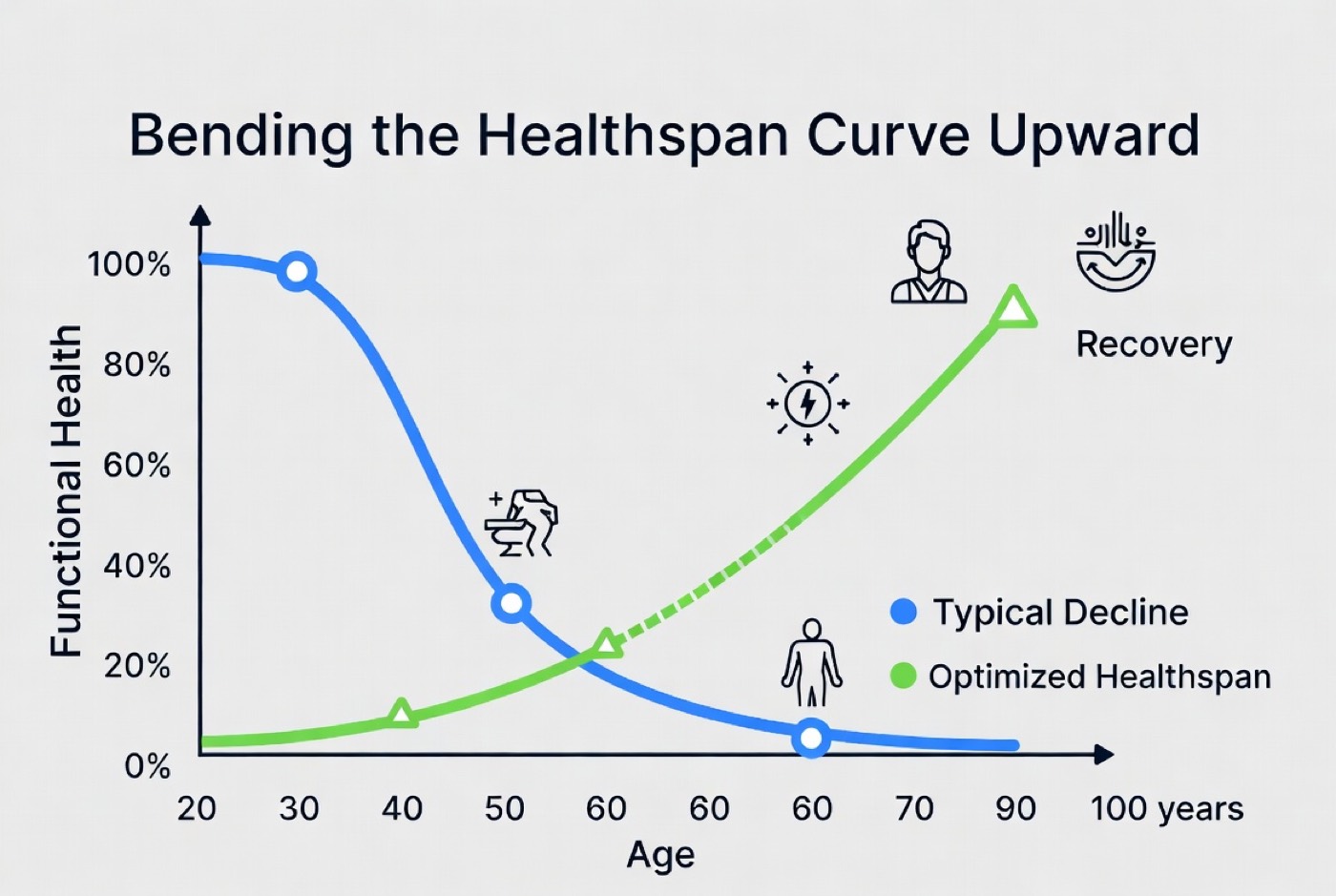
Figure 11. Healthspan vs. Lifespan: Buying Better Years, Not Just More. The goal isn't just more years — it's more good years. Measuring and personalizing early is how you bend the healthspan curve upward.
That is the opportunity before every coach, clinician, and curious high performer reading this. The tools to measure a genotype, a baseline, and a trend are here, affordable, and getting smarter every quarter — and the professionals who learn to wield them will define the next decade of health and beauty. Peptides will keep improving; the platforms will keep sharpening; the one durable advantage is starting the plan and letting the data teach you. The best time to begin was a decade ago. The second-best time is your next blood draw.
Sign Up for Affiliate Program (Pays 20%)
Subscribe to the Longevity & Peptide Optimization Newsletter
About the Author
Tony Medrano is CEO and co-founder of LongevityPlan.AI, a platform that integrates performance and health data from athletes and leverages proprietary Digital Twin for Predictive Peptide Performance™ technology, wearable data, and biomarker data to deliver personalized performance optimization and longevity recommendations to athletes, coaches, organizations, businesses, government, and the military. In addition to being a 3x technology/AI company CEO with 2 successful exits, Tony has completed 3 Full Ironman Triathlons (140.6 mi) since 2019. He has degrees from Harvard University, Columbia University, and a JD/MBA from Stanford University.
Tony has been involved with AI and molecular diagnostic start-ups for 10 years, and also worked with the US Olympic Team, National Basketball Association (NBA), National Football League (NFL), Major League Baseball (MLB), Iditarod, FBI, NASA, U.S. Department of Health and Human Services (HHS), Google, Microsoft, Netflix, Bridgewater Associates, ConocoPhillips, British Petroleum, One Medical, and Jenny Craig, Inc. to provide technology, artificial intelligence and/or molecular diagnostics solutions to their employees.
One of Tony's prior companies provided Conversational AI to health, fitness, and wellness companies; another delivered access to digital libraries of British Petroleum for oil discovery; and his first was a mobile app platform funded by Softbank, which resulted in a case study published by Stanford University Press and was taught in multiple MBA programs for a decade. Tony loves to teach and mentor; he earned public school teaching credentials in NY and MA and taught inner-city high school students to give back to the underprivileged community in Harlem. He also lectured on entrepreneurship and venture capital to second-year MBA students at Stanford Business School for five years. He co-authored one of the first issued patents for mobile applications. Tony also served as a US Navy Officer commanding an emergency response team on a USN Destroyer. Tony’s military-to-CEO career has recently been chosen to air on an episode of “Operation CEO,” a documentary by InsideSuccess.TV, which will air on AppleTV, Prime Video & Amazon MGM Studios, YouTubeTV, and other major platforms worldwide in 2026.
Tony’s Chronological Age is 55, his Metabolic Age is 41, and his Biological Age is 28. He is using a 12-peptide protocol from LongevityPlan.AI that leverages his AI-powered Digital Twin and is currently training for his 4th Ironman Triathlon.
Tobias Young is an IFBB Pro, fitness business coach, author, and entrepreneur with more than 26 years of experience in the fitness industry and over 16 years of online coaching experience.
Throughout his career, Tobias has appeared on seven fitness magazine covers and helped countless people improve their health, confidence, and performance. Today, he is the founder of TNT Fit Pro Coaching, where he helps personal trainers and fitness coaches launch, grow, and scale successful online businesses.
He is also the creator of Fit Pro Solution, an all-in-one CRM and automation platform built specifically for fitness professionals, and My Trainer Connect, a platform designed to help trainers showcase their expertise, manage clients, sell coaching services, and connect with people looking for the right fitness coach.
Tobias is the author of The Online Success Blueprint and the host of The Fit Biz Accelerator Podcast, where he shares practical strategies, industry insights, and conversations designed to help fitness professionals build stronger, more profitable businesses.
Connect with Tobias on Instagram and Tony on Instagram.
Endnotes
- FastLifeHacks, "Joe Rogan's Peptides List (2026)" and SeekPeptides, "Joe Rogan Peptides" — Rogan's public BPC-157/TB-500 "Wolverine Stack" discussion and two-week tendonitis account, used under medical supervision. fastlifehacks.com · seekpeptides.com
- SeekPeptides (ibid.): Rogan acknowledges much evidence is preclinical and emphasizes working with medical professionals.
- AgeMD, "BPC-157 FDA Status 2026: What the RFK Reclassification Means," and Medical Specialists of MN, "Are Peptides Legal Again in 2026?" (Feb. 2026 signal on The Joe Rogan Experience; no formal rule yet). agemd.com · medicalspecialistsmn.com
- Exenatide (the first GLP-1 receptor agonist) derives from exendin-4, a peptide identified in Gila monster (Heloderma suspectum) venom — a widely documented origin story in endocrinology.
- Meto, "Tesamorelin: The FDA-Approved Peptide That Reduces Visceral Fat," 2026 (pulsatile, feedback-controlled GH release as the mechanistic advantage of GHRH peptides). meto.co
- Milman S, Atzmon G, Huffman DM, et al. "Low insulin-like growth factor-1 level predicts survival in humans with exceptional longevity." Aging Cell 2014;13:769–771 PubMed; and Suh Y, et al. "Functionally significant IGF-I receptor mutations in centenarians." PNAS 2008;105:3438–3442. PMC
- Dos Santos C, Essioux L, Teinturier C, et al. "A common polymorphism of the growth hormone receptor is associated with increased responsiveness to growth hormone." Nature Genetics 2004;36:720–724. nature.com
- Ben-Avraham D, Govindaraju DR, Atzmon G, Barzilai N, et al. "The GH receptor exon 3 deletion is a marker of male-specific exceptional longevity associated with increased GH sensitivity and taller stature." Science Advances 2017;3:e1602025. science.org; summary in Clin Chem 2018;64:418. Oxford
- FDA approval of tesamorelin (Egrifta), 2010; 2025 approval of the longer-acting F8 reformulation (EGRIFTA WR), Theratechnologies. contagionlive.com · sciencedirect.com
- Falutz J, et al. Registration trial of tesamorelin (TH9507), 412 patients, ~15% visceral fat reduction over 26 weeks, NEJM 2007; see MGH NEPTCC references. neptcc-bulletin.com
- Stanley TL, Feldpausch MN, Oh J, et al. (Grinspoon SK). "Effect of tesamorelin on visceral fat and liver fat in HIV-infected patients." JAMA 2014;312:380–389 PubMed; 12-month NAFLD/fibrosis trial NCT02196831. PMC
- Fourman LT, et al. (Grinspoon SK). "Effects of tesamorelin on hepatic transcriptomic signatures in HIV-associated NAFLD." JCI Insight 2020. jci.org
- Off-label tesamorelin use requires clinician supervision; it raises IGF-1 and warrants glucose monitoring. womenshealthofmd.com
- Zdzieblik D, Oesser S, Baumstark MW, Gollhofer A, König D. "Collagen peptide supplementation in combination with resistance training improves body composition and increases muscle strength in elderly sarcopenic men: a randomised controlled trial." Br J Nutr 2015;114:1237–1245. PubMed
- Jendricke P, Centner C, Zdzieblik D, Gollhofer A, König D. "Specific Collagen Peptides ... Premenopausal Women." Nutrients 2019;11:892 PubMed; Kirmse et al. 2019 (young active men), summarized in Frontiers Physiol. frontiersin.org
- Frontiers in Physiology, "Specific collagen peptides supplementation increases collagen type I content in skeletal muscle after 12 weeks of high-load resistance training," 2026. frontiersin.org
- Proksch E, Schunck M, Zague V, Segger D, Degwert J, Oesser S. "Oral intake of specific bioactive collagen peptides reduces skin wrinkles and increases dermal matrix synthesis." Skin Pharmacol Physiol 2014;27:113–119; and Proksch E, et al. "Oral supplementation of specific collagen peptides has beneficial effects on human skin physiology." Skin Pharmacol Physiol 2014;27:47–55. Indexed via Frontiers meta-analysis (2026). frontiersin.org
- Representative replications: Kim D-U, et al. "Oral Intake of Low-Molecular-Weight Collagen Peptide Improves Hydration, Elasticity, and Wrinkling," Nutrients 2018;10:826 PMC; and VERISOL B trial (2.5 g/day, 66 women), Cosmetics 2025. mdpi.com
- Jennifer Aniston joined Vital Proteins as Chief Creative Officer in 2020 and has described using the collagen peptides daily for years. Vital Proteins / PR Newswire announcement and E! News interview. vitalproteins.com · prnewswire.com
- Superpower guides, "CJC-1295 and Ipamorelin," 2026 (upstream mechanism, feedback preserved; reported recovery/sleep effects; limited human outcome data). superpower.com
- PeptideDeck, "Tesamorelin vs. sermorelin" (sermorelin = GHRH 1–29; prior pediatric GHD approval; compounded revival). peptidedeck.com
- PurePep/Live Alpha overview and Józwiak et al. review: BPC-157 is a 15-aa peptide related to a gastric-juice protein with 100+ preclinical studies. PMC (Pharmaceuticals 2025;18:185)
- Józwiak et al., "Multifunctionality and Possible Medical Application of the BPC 157 Peptide," Pharmaceuticals 2025 (preclinical angiogenesis, tendon/gut healing, favorable animal safety profile). ncbi.nlm.nih.gov
- PeptideStack, "Joe Rogan Peptides" (TB-500 = synthetic thymosin β4 fragment; actin regulation, cell migration, wound-healing in preclinical models). peptidestack.io
- WADA 2026 Prohibited List, Section S2 (GHRH analogs incl. tesamorelin; secretagogues incl. ipamorelin, MK-677; TB-500 under S2.3) wada-ama.org; USADA on BPC-157 (S0). usada.org
- Fourman LT, et al. (Grinspoon SK). "Delineating tesamorelin response pathways in HIV-associated NAFLD using a targeted proteomic and transcriptomic approach." Sci Rep 2021;11:10485. nature.com
- ArentFox Schiff, "Function Health Sues Superpower" (Nov. 2025 $298M Series B; Function Health, Inc. v. Superpower Health, Inc., C.D. Cal., filed Jan. 26, 2026). afslaw.com
- Crown Counseling review, 2026 (Function Health 100+ biomarkers; 2026 price reduction; screening add-ons). crowncounseling.com
- Elo Health, "Best Comprehensive Blood Biomarker Tests (2026)" (Superpower AI interpretation, PDF ingestion). elo.health
- Outliyr, "Best Blood Biomarker Testing Services 2026" (Lifeforce clinician-guided quarterly model). outliyr.com
- Fin vs Fin, "Function vs Superpower vs InsideTracker vs Lifeforce (2026)" (integrated/adaptive platforms incl. OneTwenty). finvsfin.com #Longevity #PrecisionMedicine #Peptides #Healthspan #HealthOptimization #Biomarkers #DigitalTwin #Pharmacogenomics #PreventiveMedicine #SportsScience #Tesamorelin #CollagenPeptides #SkinHealth #MuscleHealth #ExecutiveHealth #Coaching #Dietitian #Aesthetics · Where accurate, credit the researchers whose work is cited — Nir Barzilai, Sofiya Milman, Gil Atzmon, Steven Grinspoon, Takara Stanley, Denise Zdzieblik, Daniel König — strictly in the work-referencing sense used above.
Educational content, not medical advice. The peptides discussed range from FDA-approved prescription drugs to supplements to unapproved compounds; several are prohibited in sport and some may not be legally compounded or sold for human use. Nothing here recommends obtaining or using any specific compound. Any growth-hormone-axis intervention should be pursued with a qualified, licensed clinician on the basis of your own testing.