Sleep Science
·16 min read
The Architecture of a Younger Night: What Five Sleep Peptides Are Really Doing While You Recover
Five molecules, three strategies, one goal — more of the deep, hormone-rich sleep that rebuilds the body. Here is what the research actually shows, and how genomics and AI are turning it into a plan.
By Tony Medrano
The most expensive body in sports is a sleep machine
LeBron James reportedly spends around $1.5 million a year maintaining his body — a private staff of trainers, chefs, body-workers, and sleep consultants — and when asked to name the single most important tool in that arsenal, he does not pick the cryotherapy or the hyperbaric chamber. He picks sleep. He aims for eight to ten hours a night, naps to top up on game days, once slept twelve hours and missed a holiday party, keeps his room at 65–68°F, and kills every screen 30 to 45 minutes before bed.[1] He describes deep sleep as the thing that re-energizes "body, mind, and spirit," and in his own framing, recovery is not what happens between the work — recovery is the work.[1] Twenty-three NBA seasons later, the results are hard to argue with.
This is not celebrity trivia; it is a physiology lesson wearing a jersey. When Stanford researchers extended collegiate basketball players' time in bed to ten hours, their sprint times, shooting accuracy, and reaction speed all improved, and their mood lifted with them.[2] Elite performers already treat deep sleep as a competitive weapon because it is one. Which raises the obvious, tantalizing question that has pulled peptides into the longevity conversation: if deep sleep is where the body rebuilds itself, could we gently engineer more of it?
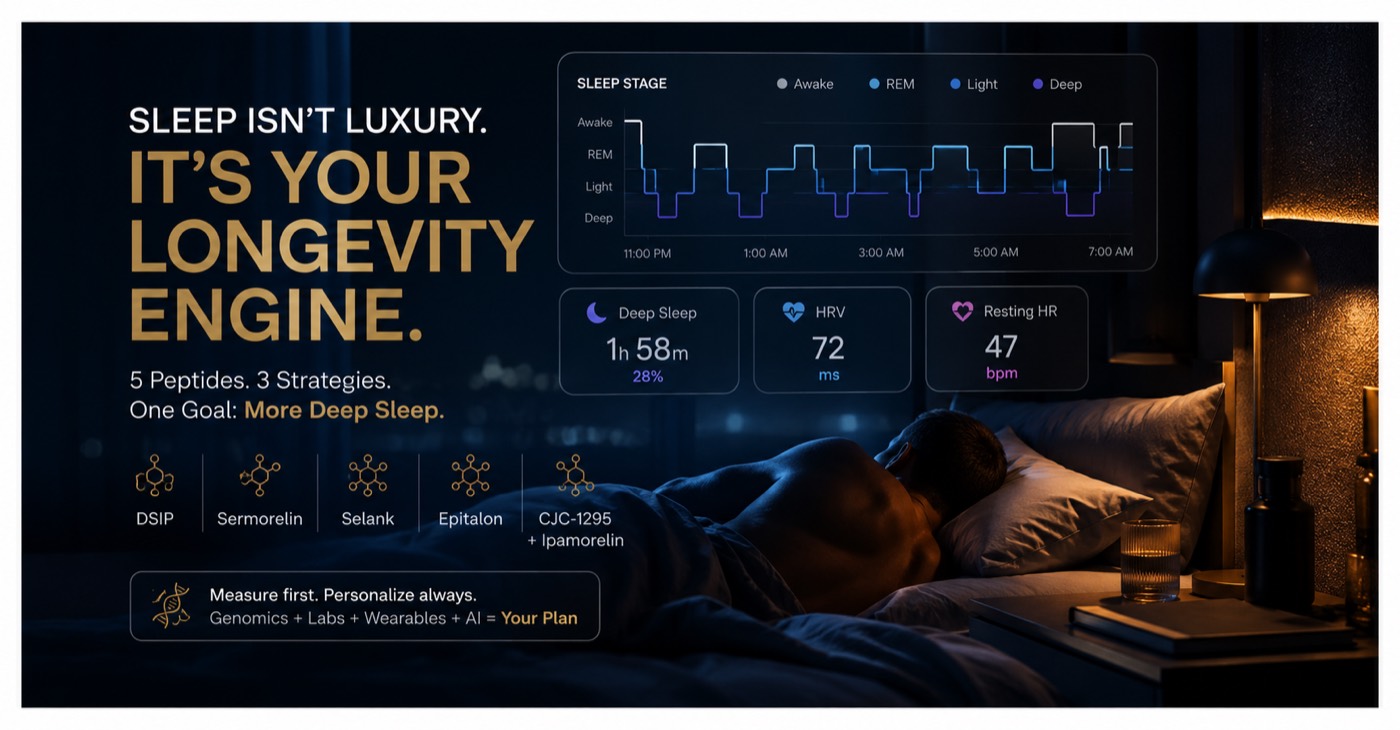
Figure 1. Recovery Is the Work. Elite performers treat deep, slow-wave sleep as their most valuable tool for longevity and performance.
The one mechanism worth building a plan around
Strip the science to its core, and you get a single, elegant loop. The deepest stage of the night — slow-wave sleep (SWS), the delta-dominated non-REM phase that clusters early — is when the largest daily pulse of growth hormone (GH) is released, so tightly time-locked to the slow waves that when researchers artificially deepen SWS, GH rises right along with it, while the nervous system shifts out of its stressed, sympathetic-dominant gear.[3] A 2025 study in Cell mapped the actual wiring, showing GH release is amplified during both non-REM and REM sleep by dedicated hypothalamic neurons — the GHRH cells that fire the pulse and the somatostatin cells that restrain it.[4]
That loop — slow waves in, growth hormone and tissue repair out — is the engine every serious sleep intervention is trying to feed. It is also an engine that quietly loses power with age: total 24-hour GH output falls two- to threefold between roughly 30 and 40, and slow-wave sleep thins out alongside it.[5] The peptides below are best understood not as sedatives that switch you off, but as three different ways of feeding that engine. Think of them as three doors into a deeper, more restorative night.
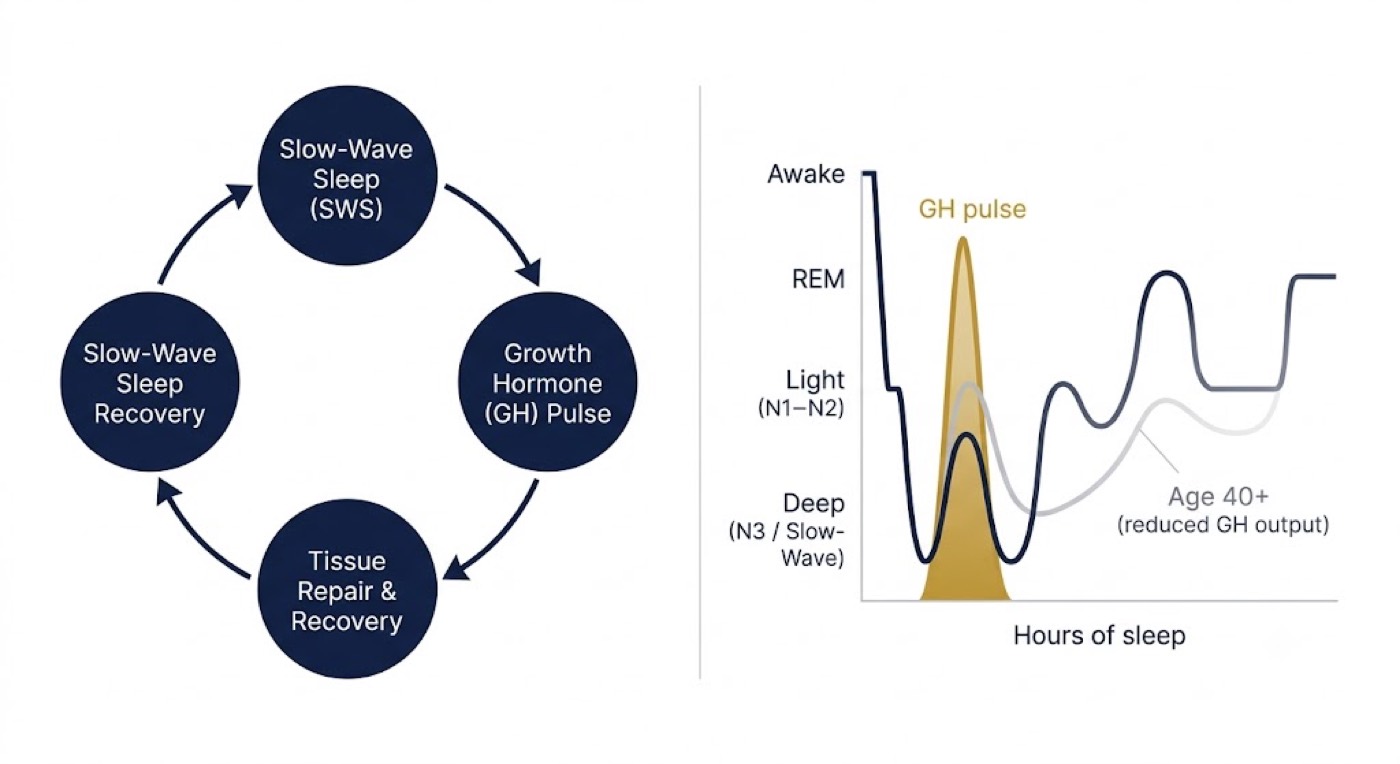
Figure 2. The Engine of Recovery. Deep slow-wave sleep triggers the nightly growth-hormone pulse that drives tissue repair — a loop that weakens with age.
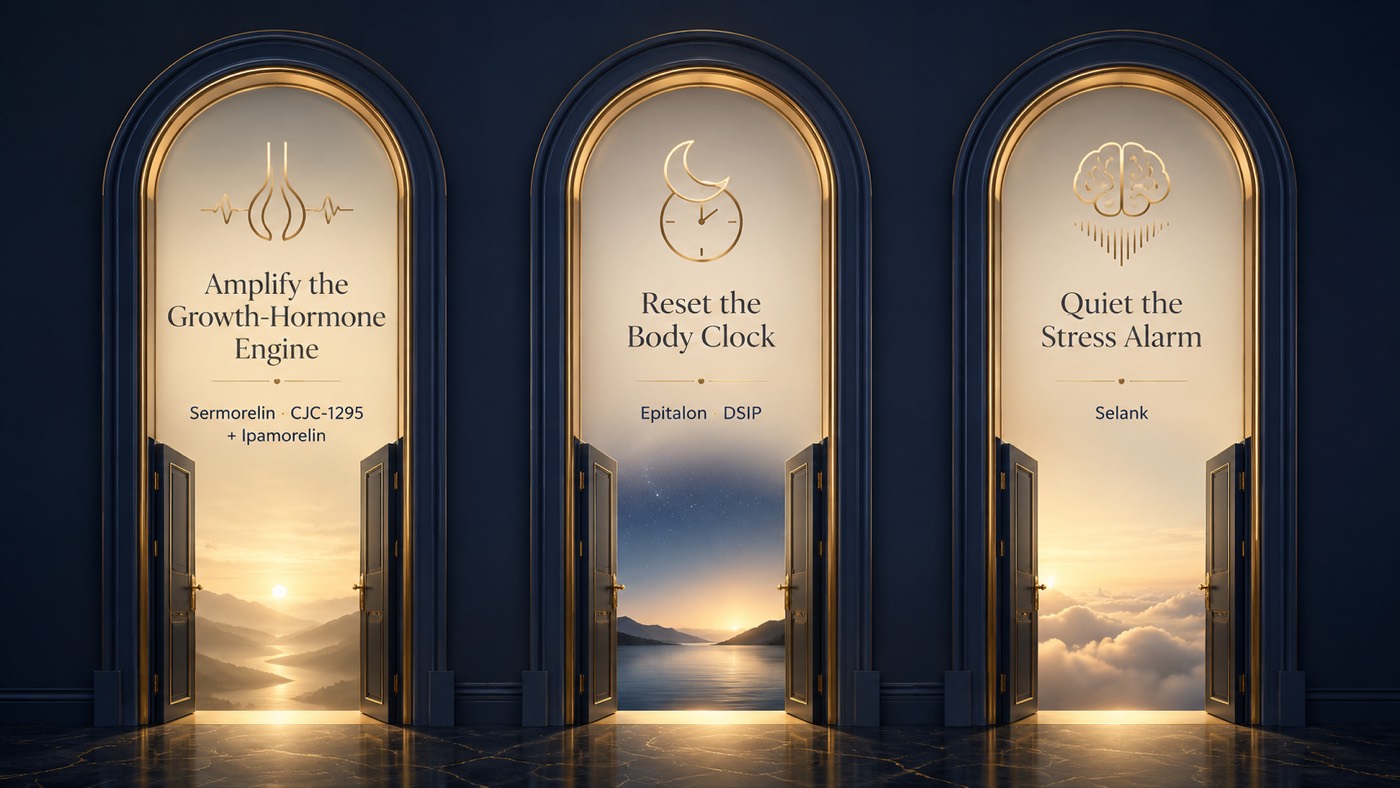
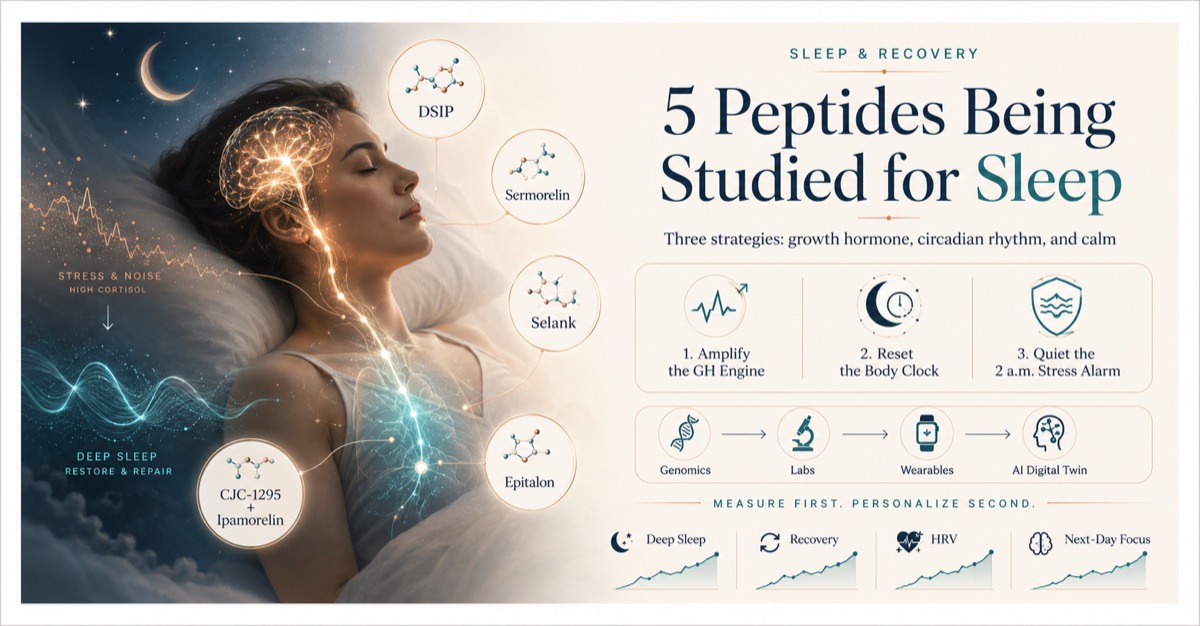
Figure 3. Three Doors Into a Deeper Night. Every sleep peptide works by amplifying the growth-hormone engine, resetting the body clock, or quieting the stress alarm.
Door one: turning up the growth-hormone engine
The most mechanistically satisfying peptides don't act on sleep receptors at all — they amplify the nocturnal GH pulse that deep sleep is built to produce, reinforcing the loop on the hormone side.
Sermorelin (and the GHRH story)
Growth hormone-releasing hormone is the hypothalamic "go" signal for GH and moonlights as a slow-wave sleep promoter in its own right. In meticulous human work from Axel Steiger's group at the Max Planck Institute of Psychiatry, pulsatile GHRH in healthy young men did three good things at once: it increased slow-wave sleep, raised overnight GH, and blunted cortisol — close to a perfect recovery signature.[6] A companion finding showed that delivering GHRH in pulses rather than a continuous drip promotes slow-wave sleep more effectively, a clue about how the body likes its signals timed.[7]
Sermorelin is that idea bottled: a synthetic version of the first 29 amino acids of GHRH — the shortest fully active fragment. It carries an unusually respectable pedigree for a "peptide," having once been a bona fide FDA-approved drug called Geref (first cleared in 1990, then in 1997 for growth-hormone deficiency in children); the manufacturer simply retired it in 2008 for commercial reasons when recombinant GH took over the market, not for any failure of safety or efficacy.[8] Today it lives on as a compounded prescription, prized in clinical practice because it prompts the pituitary to make its own GH in a natural, pulsatile rhythm rather than flooding the body from outside.
One nuance elevates sermorelin from a protocol into a case study for personalization — and it is a feature, not a flaw. The beautiful SWS-boosting, cortisol-lowering effect was demonstrated mainly in young men. In women, systemic GHRH has instead been shown to disrupt sleep and raise cortisol, and in seniors, its effects are gentler and mixed — fewer nighttime awakenings and a longer first deep-sleep block, but a smaller overall punch.[9] Same molecule, three different bodies, three different nights. That is not a reason to dismiss it; it is the clearest argument in this entire field for measuring the individual rather than copying the crowd.
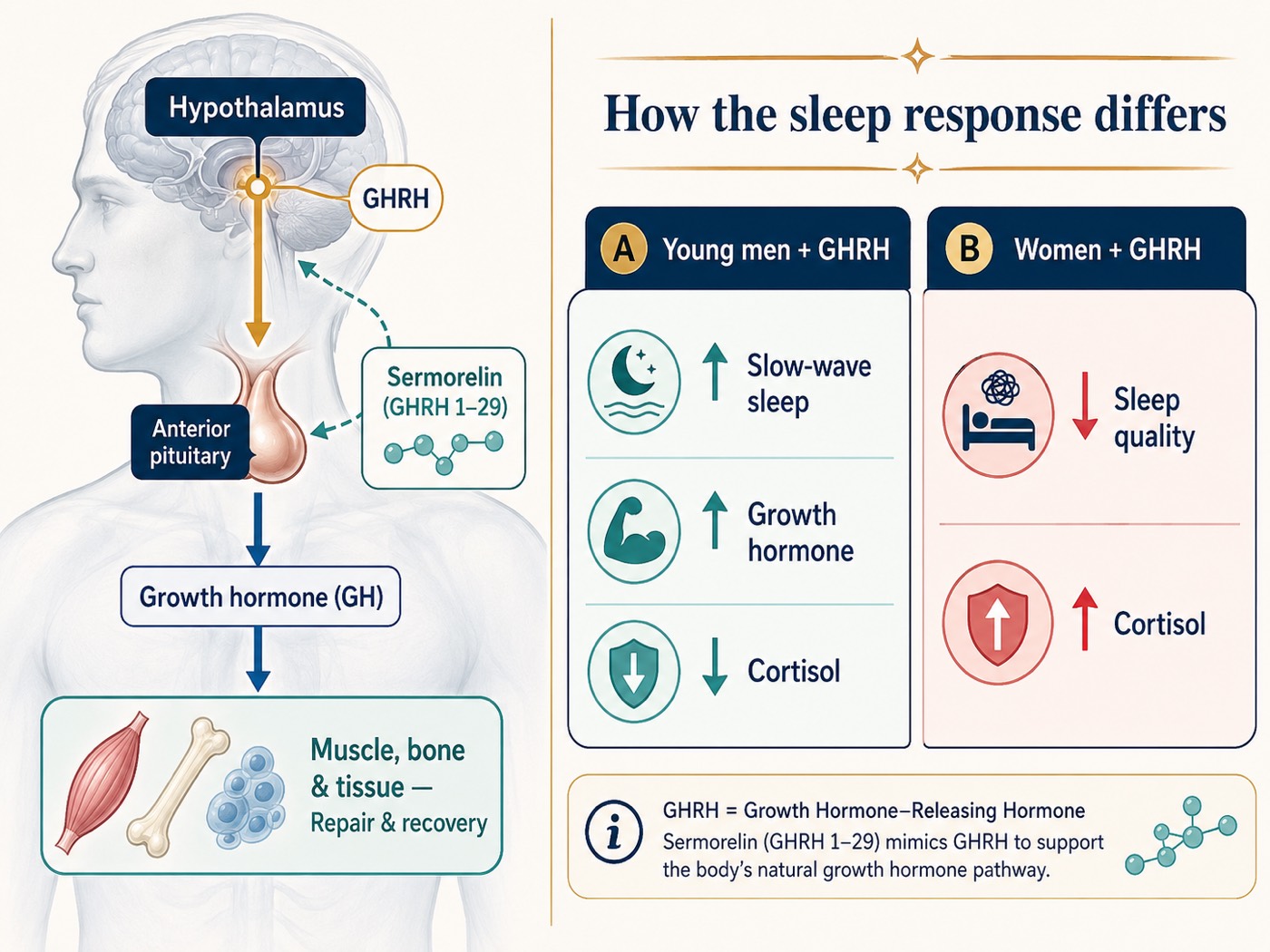
Figure 4. Same Signal, Different Night. GHRH and sermorelin drive the growth hormone axis — but the sleep response varies by sex and age, which is why personalization matters.
CJC-1295 + Ipamorelin
If sermorelin is the solo act, this is the duet — the most popular recovery pairing in the peptide world, and for a coherent reason. Ipamorelin was characterized in 1998 as the first selective growth-hormone secretagogue: it elicits a clean GH pulse via the ghrelin receptor without dragging cortisol or prolactin along.[10] That receptor matters for sleep specifically, because ghrelin — its natural ligand — has been shown in humans to increase slow-wave sleep and deepen delta activity.[11] CJC-1295, a longer-acting GHRH analog, sustains the baseline signal; together, the two hit different receptors to amplify the body's own overnight pulse rather than flatlining it. The reported payoff that draws people in is the classic GH-axis package — deeper sleep, better body composition, faster recovery — delivered, in theory, in a more physiological pattern than injected GH.
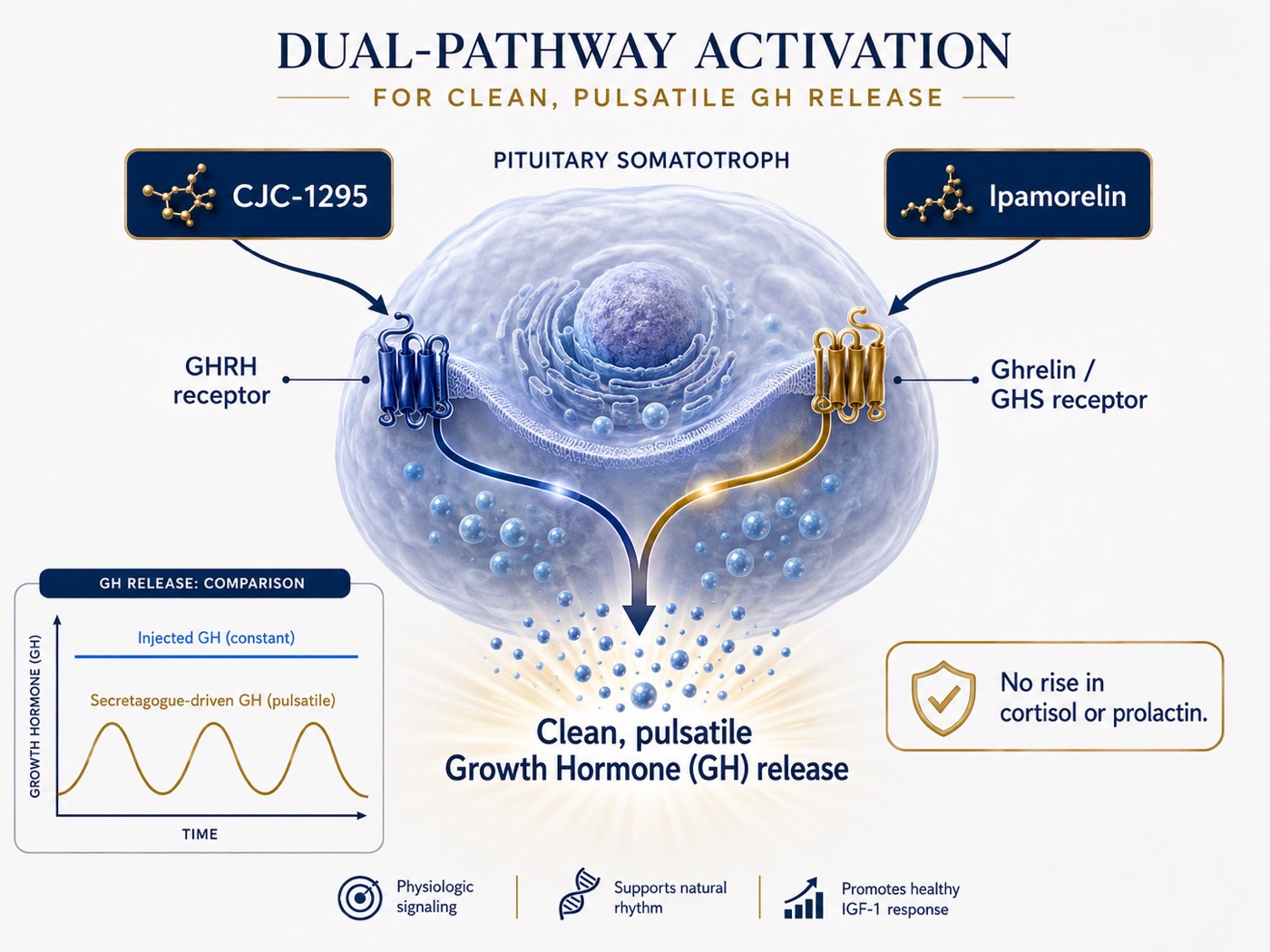
Figure 5. A Two-Key Mechanism. CJC-1295 and Ipamorelin act on distinct receptors to amplify the body's own clean, pulsatile growth hormone release.
Door two: resetting the clock and restoring the signal
The second strategy works upstream of the hormone engine, on the body's timing system — the circadian machinery and the endogenous "sleep factors" that tell the brain when, and how deeply, to power down.
Epitalon
Epitalon is a four-amino-acid peptide modeled on epithalamin, an extract of the pineal gland — the brain's melatonin factory and master clock. Its most compelling claim is that it modulates rather than overrides: in elderly subjects whose pineal output had faded, the parent preparation restored the natural nighttime melatonin peak, while in people with normal function it produced no overshoot at all.[12] That "top up the low, leave the normal alone" behavior is a far more sophisticated proposition than simply swallowing melatonin. Primate studies from the same lineage went further, reporting that Epitalon restored evening melatonin and re-normalized the daily cortisol rhythm in aged monkeys — and the peptide has also drawn intense interest for activating telomerase in human cell cultures and, in long-running human cohort work on epithalamin, for being associated with meaningfully reduced mortality over follow-up.[13][14] For a molecule aimed at the aging clock, that is a genuinely exciting body of signal.
The honest framing is simply that much of this remarkable dataset stems from a single pioneering research program in St. Petersburg and awaits broad, independent replication in the West.[14] That makes Epitalon one of the most fascinating frontiers on this list, rather than a closed case — a hypothesis with real momentum, best explored with eyes open.
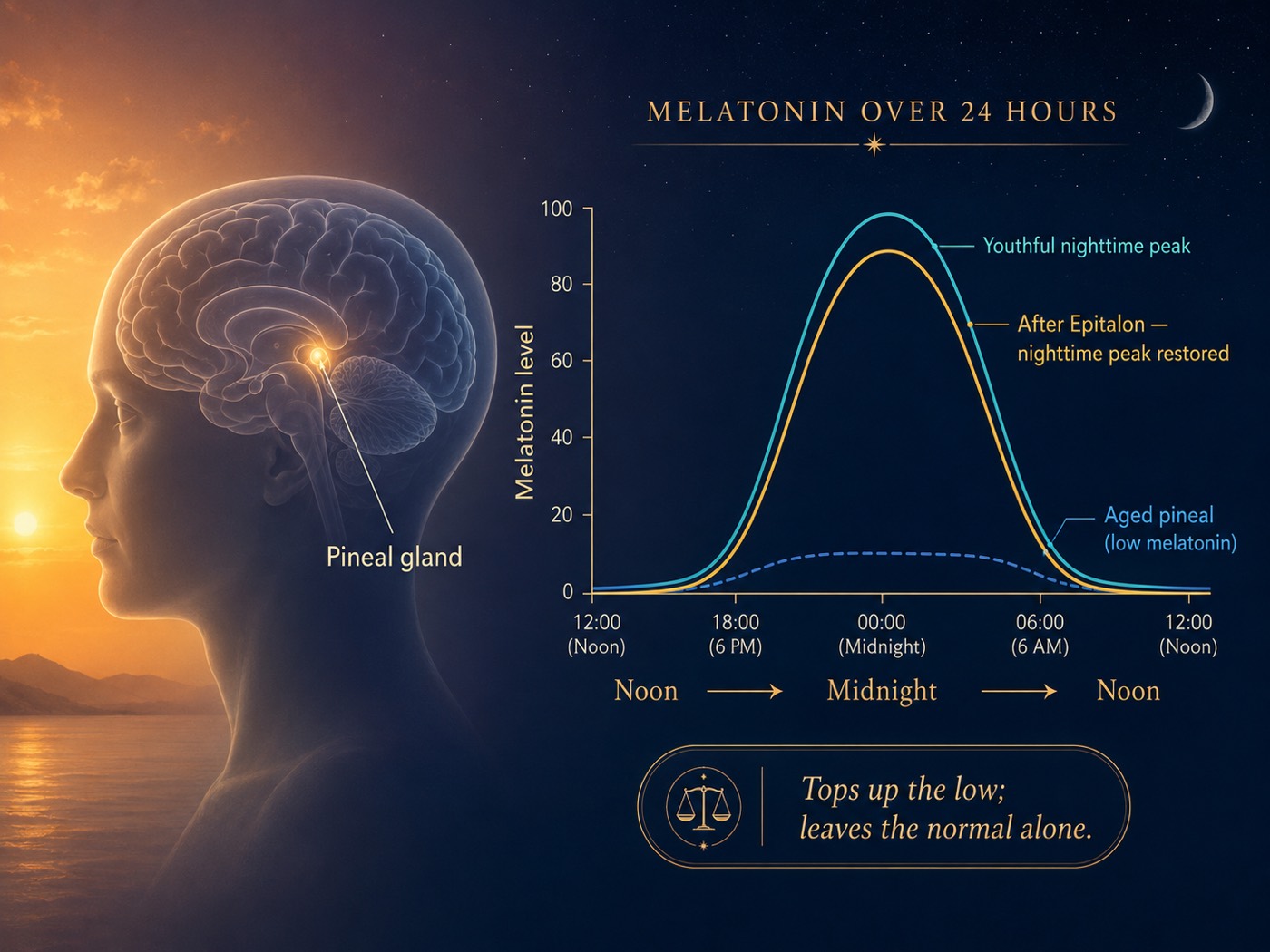
Figure 6. Restoring the Signal, Not Overriding It. Epitalon is being studied to help the aging pineal gland rebuild its natural nighttime melatonin peak.
Delta Sleep-Inducing Peptide (DSIP)
DSIP has the best origin story in sleep neuroscience: a nine-amino-acid peptide first isolated in the 1970s from the blood of sleeping rabbits, it occurs naturally in the body, crosses the blood-brain barrier with ease, and, in animal models, promotes the deep delta sleep we prize, alongside sleep-related GH release.[15] It is also a stress modulator — rodent studies found it raises hypothalamic substance P and dampens the classic stress response, and early human reports described better relaxation and improved tolerance to psychological strain.[16] It has even been explored as an aid in opioid and alcohol withdrawal.[16]
Read more scientific research from LongevityPlan.AI, or buy peptides from the LongevityPlan.AI shop.
What the controlled human sleep trials show is more measured: a double-blind study in chronic insomniacs found improved sleep efficiency and faster sleep onset, though the effects were modest, and later attempts to reproduce the earliest dramatic results were inconsistent.[17] The fair read is that DSIP is a real endogenous sleep-and-stress signal with a tantalizing profile whose human potential is still being worked out — an investigational molecule with genuine promise and unfinished homework, not a solved equation.
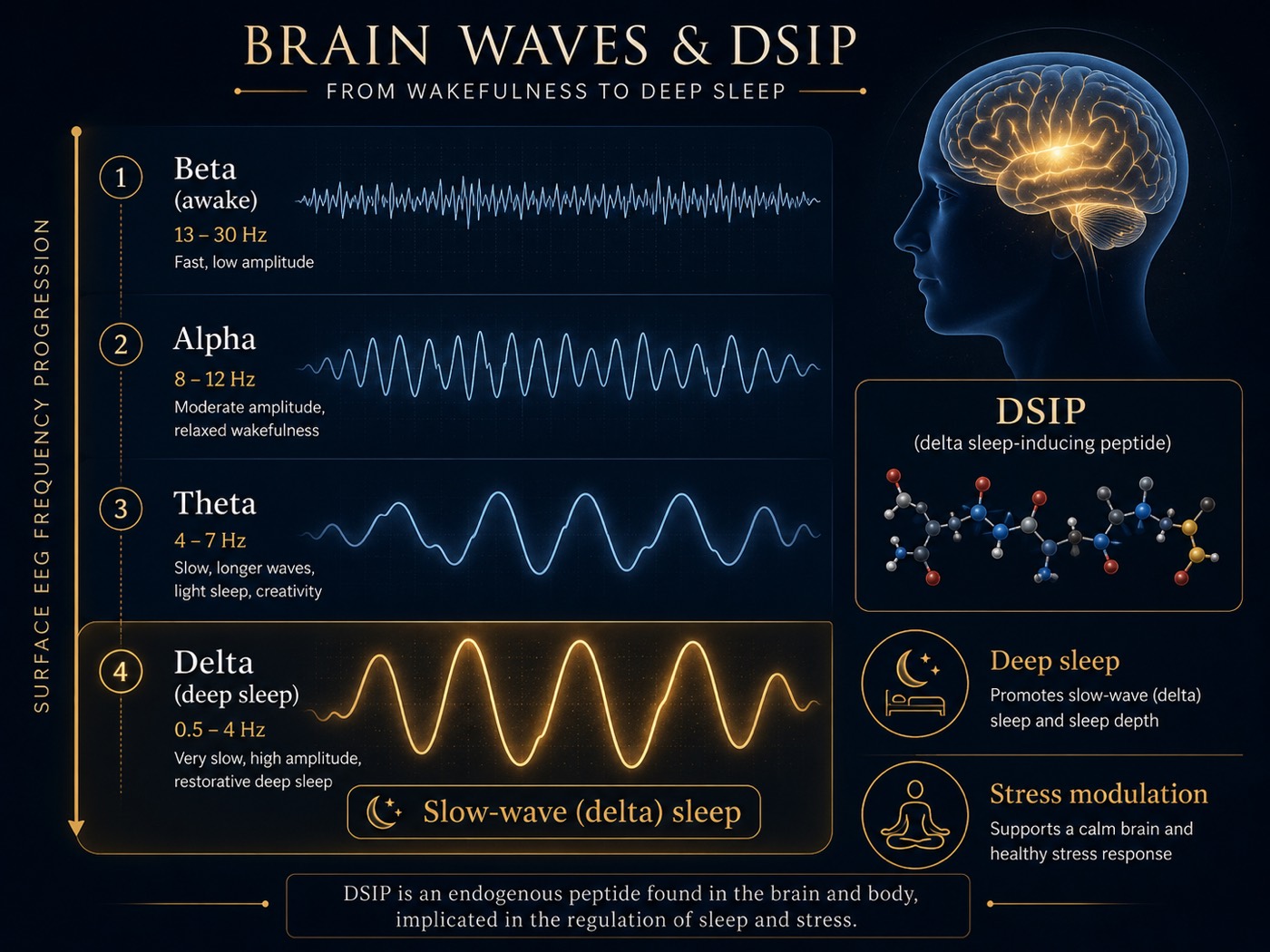
Figure 7. The Body's Own Deep-Sleep Signal. DSIP is a naturally occurring peptide linked to slow, high-amplitude delta brain waves.
Door three: quieting the alarm system
The third route to a better night doesn't push on sleep or hormones at all. It turns down the thing that most often wrecks sleep in high-achievers: an over-firing stress system that won't switch off at midnight.
Selank
Selank is a seven-amino-acid analog of tuftsin, an immune-signaling fragment of a human antibody, engineered at the Russian Academy of Sciences.[18] Its documented effect is anxiolytic: it modulates GABA signaling and boosts BDNF, the growth factor behind neuroplasticity, and in Russian clinical use — where it is an approved medicine, studied across hundreds of patients — it produced anti-anxiety effects described as comparable to benzodiazepines but without the sedation, tolerance, or dependence that make that drug class so problematic.[18][19] Preclinical work adds neuroprotective and mood-stabilizing findings on top.
For the executive lying awake at 2 a.m. with a mind that won't stop litigating the day, that profile is exactly the right shape — the benefit to sleep flows from calming the stress circuitry rather than sedating the brain. The candor here is that Selank's human evidence is largely Russian and not yet replicated in Western trials, so it sits in the "promising and intriguingly different" column.[19] But as a fresh angle on stress-driven insomnia, it is one of the more interesting tools on the bench.
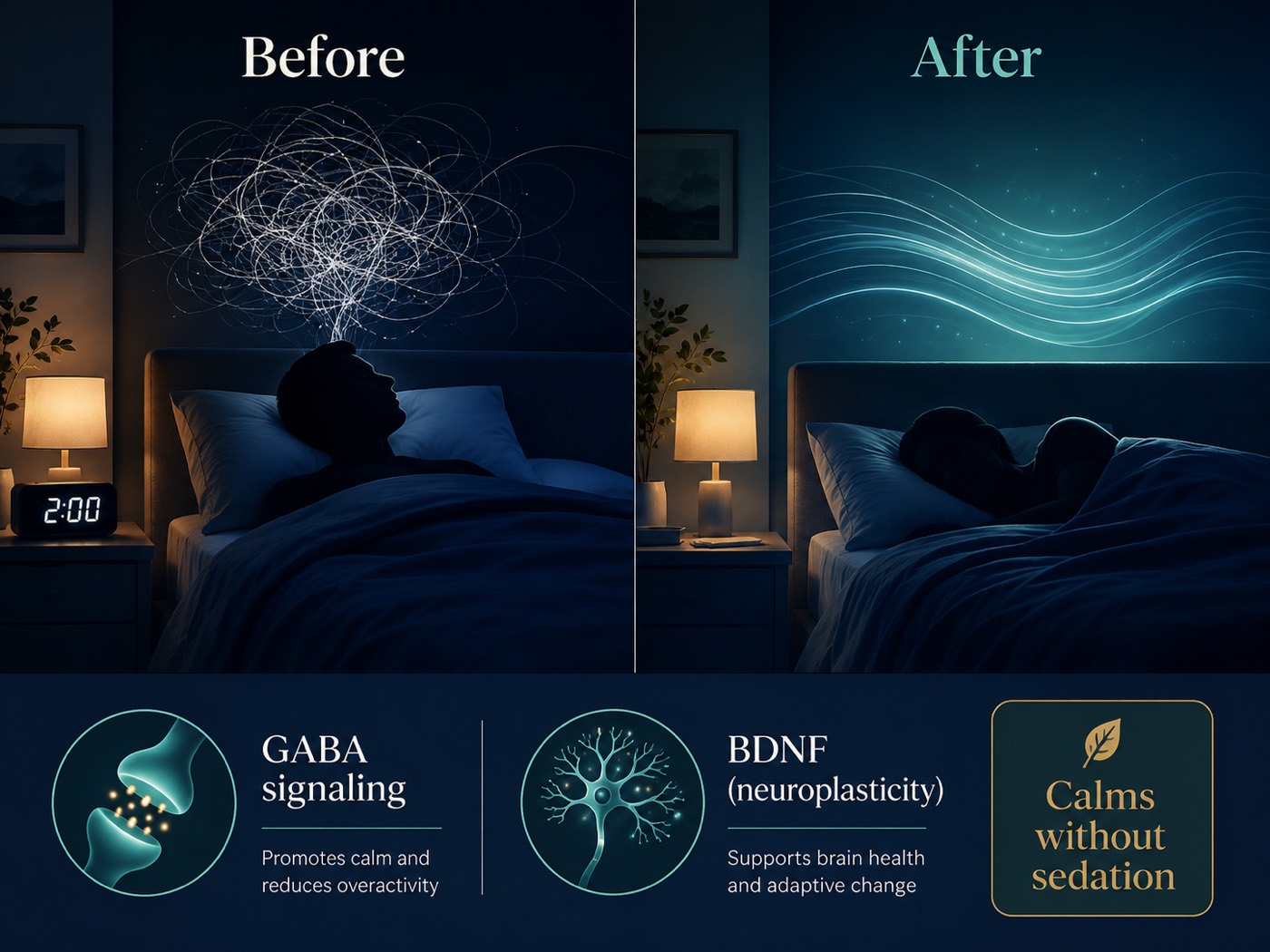
Figure 8. Quieting the 2 a.m. Mind. Selank targets stress and anxiety through GABA and BDNF pathways — calming without sedation.
The part that a serious guide has to say out loud
None of these five is an FDA-approved finished drug for sleep. The legitimate path to the ones worth considering runs through a licensed physician, an actual evaluation, and a state-licensed 503A or FDA-registered 503B compounding pharmacy that tests each batch for potency, sterility, and endotoxins — not through a website selling vials labeled "for research use only," which carry no quality guarantee for human use.[20] And one more line matters for the competitive-athlete reader specifically: every growth-hormone secretagogue in the group above (sermorelin, CJC-1295, ipamorelin) sits on the World Anti-Doping Agency Prohibited List and is detectable in testing, so for anyone under anti-doping rules, door one is closed.[21] For a sense of the evidentiary gap, consider that the one GHRH analog that did clear full FDA approval — tesamorelin, via two Phase 3 trials in 816 patients — earned it for reducing visceral fat in a specific patient population, not for sleep.[20] This is not a reason for fear; it is a reason for a prescription pad and a good clinician. Used inside that framework, these molecules become genuinely interesting. Used outside it, they are a gamble.
Why coaches and counselors are the ones who make this work
Here is the part the molecule-sellers miss: peptides are the flashy 5% of a longevity plan, and the trusted professionals in a client's corner own the other 95% that actually determines results. Weight-loss and performance coaches, dietitians, nutritionists, executive coaches, and the practitioners shaping the health-and-beauty world are not peripheral to this science — they are the layer that translates it into a life someone can live. LeBron has a strength coach, a recovery coach, a nutritionist, and a sleep consultant orchestrating that $1.5-million machine; his clients-of-one version is exactly what a great coach builds for everyone else.
The highest-leverage moves belong squarely in the counselor's lane and carry zero regulatory risk: anchoring circadian rhythm with morning light and evening dark, building the aerobic fitness that independently deepens slow-wave sleep, protecting the pre-sleep wind-down, and timing nutrition and alcohol so they stop sabotaging the deep stages — the same fundamentals that quietly power every athlete's story above. A coach who understands the SWS-GH loop can explain why a client's 11 p.m. glass of wine is stealing their repair, and that "why" is what changes behavior. And when a client's goals genuinely point toward peptide therapy, the informed coach becomes the most valuable person in the room — the one who knows what the evidence supports, what to measure first, and precisely when to hand off to a licensed medical provider. That blend of scientific fluency and honest guidance is the professional edge, and it is exactly the expertise LongevityPlan.AI is built to put in their hands.

Figure 9. The Professionals Who Turn Science Into Results. Coaches, dietitians and counselors build the daily plan — and know when to refer for medical peptide therapy.
Where genomics and AI turn interest into a protocol
The sermorelin lesson — one molecule, three bodies, three different nights — is the whole argument for personalization, and it is where data earns its keep. Individuals differ in how they respond to GH-axis or neuroactive compounds because of receptor genetics, baseline hormone levels, age, sex, and circadian phase. Pharmacogenomics, the science of reading DNA to anticipate drug response, is maturing fast, and companies such as The Genomics Company are working to translate that principle into individualized guidance. Applying it specifically to peptides is still early, but the direction is clear, and the logic is sound.
That genetic layer is the foundation for what a Digital Twin for Predictive Peptide Performance™ is meant to be: pair genomics with a sensor layer of real-world inputs — sleep staging from validated wearables, overnight and morning hormone panels, continuous heart rate and HRV — and feed it into predictive modeling that shows how a given intervention is actually moving this person's slow-wave sleep and GH pulse, rather than assuming the group average applies. The candid version is that the data plumbing is real and improving quickly, while the fully validated, peptide-specific engine is a destination the field is still building toward.
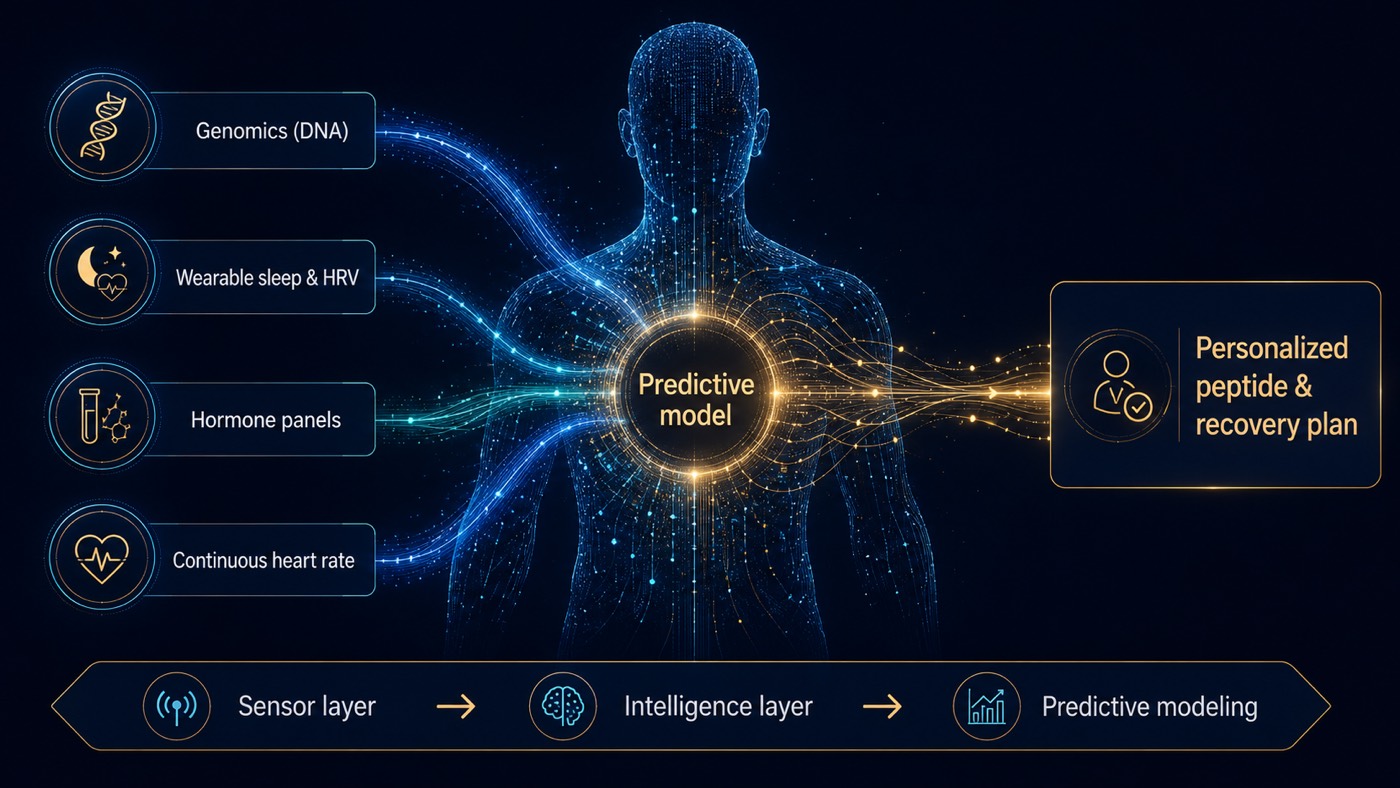
Figure 10. From Data to a Personalized Plan. Genomics, wearables, and hormone panels feed a predictive model that tailors peptide and recovery protocols to the individual.
The bottom line
The unglamorous truth is that the highest-yield, best-evidenced, zero-risk way to get more of the deep sleep these peptides chase is still the LeBron playbook: consistent timing, morning light, a cool dark room, real aerobic fitness, and an honored wind-down. No peptide substitutes for that foundation. But for the right, medically screened individual — under a clinician, with pharmacy-verified material and honest before-and-after measurement — the science underneath these molecules is real and, in places, genuinely thrilling: the slow-wave-sleep-to-growth-hormone loop is not in dispute, and the frontier around it is moving fast.
The people who age best are rarely the ones who chase the newest vial. They are the ones who started measuring early, built a plan around their own biology, and treated the exciting interventions as candidates to test rather than answers to assume. That is the entire case for deliberately planning your longevity on data, before you need to — because the molecules in this article only earn their promise within exactly that kind of plan.
Sign Up for FREE Daily Longevity Club Workshops
Sign Up for Affiliate Program (Pays 20%)
Subscribe to the Longevity & Peptide Optimization Newsletter
About the Author
Tony Medrano is CEO and co-founder of LongevityPlan.AI, a platform that integrates performance and health data from athletes and leverages proprietary Digital Twin for Predictive Peptide Performance™ technology, wearable data, and biomarker data to deliver personalized performance optimization and longevity recommendations to athletes, coaches, organizations, businesses, government, and the military. In addition to being a 3x technology/AI company CEO with 2 successful exits, Tony has completed 3 Full Ironman Triathlons (140.6 mi) since 2019. He has degrees from Harvard University, Columbia University, and a JD/MBA from Stanford University.
Tony has been involved with AI and molecular diagnostic start-ups for 10 years, and also worked with the US Olympic Team, National Basketball Association (NBA), National Football League (NFL), Major League Baseball (MLB), Iditarod, FBI, NASA, U.S. Department of Health and Human Services (HHS), Google, Microsoft, Netflix, Bridgewater Associates, ConocoPhillips, British Petroleum, One Medical, and Jenny Craig, Inc. to provide technology, artificial intelligence and/or molecular diagnostics solutions to their employees.
One of Tony's prior companies provided Conversational AI to health, fitness, and wellness companies; another delivered access to digital libraries of British Petroleum for oil discovery; and his first was a mobile app platform funded by Softbank, which resulted in a case study published by Stanford University Press and was taught in multiple MBA programs for a decade. Tony loves to teach and mentor; he earned public school teaching credentials in NY and MA and taught inner-city high school students to give back to the underprivileged community in Harlem. He also lectured on entrepreneurship and venture capital to second-year MBA students at Stanford Business School for five years. He co-authored one of the first issued patents for mobile applications. Tony also served as a US Navy Officer commanding an emergency response team on a USN Destroyer. Tony's military-to-CEO career has recently been chosen to air on an episode of "Operation CEO," a documentary by InsideSuccess.TV, which will air on AppleTV, Prime Video & Amazon MGM Studios, YouTubeTV, and other major platforms worldwide in 2026.
Tony's Chronological Age is 55, his Metabolic Age is 41, and his Biological Age is 28. He is using a 12-peptide protocol from LongevityPlan.AI that leverages his AI-powered Digital Twin and is currently training for his 4th Ironman Triathlon.
Endnotes
- LeBron James on sleep as his primary recovery tool (8–10+ hours, naps, 65–68°F room, screens off before bed) and his reported ~$1.5M/year body-maintenance program. The Tim Ferriss Show; CNBC (2018); Sports Illustrated / ESPN reporting summarized in Routines.club and Peak Primal Wellness recovery profiles, 2026.
- Mah CD, Mah KE, Kezirian EJ, Dement WC. The effects of sleep extension on the athletic performance of collegiate basketball players. Sleep. 2011;34(7):943–950 — extending time in bed to 10 hours improved sprint times, shooting accuracy, reaction time and mood.
- Enhancing slow-wave sleep increases sleep-associated growth-hormone secretion and shifts autonomic balance away from sympathetic predominance. PMC9325885; and Van Cauter E, et al. Physiology of growth hormone secretion during sleep. J Pediatr. 1996.
- Neuroendocrine circuit for sleep-dependent growth hormone release. Cell. 2025. cell.com/cell/fulltext/S0092-8674(25)00626-9
- 24-hour growth-hormone output declines roughly two- to three-fold between ages 30 and 40. Physiology of growth hormone secretion during sleep, J Pediatr. 1996.
- Steiger A, et al. Effects of growth hormone-releasing hormone and somatostatin on sleep EEG and nocturnal hormone secretion in male controls. Neuroendocrinology. 1992;56:566–573.
- Marshall L, Mölle M, Böschen G, Steiger A, Fehm HL, Born J. Greater efficacy of episodic than continuous GHRH administration in promoting slow-wave sleep. J Clin Endocrinol Metab. 1996;81:1009–1013.
- Sermorelin (Geref) regulatory history: FDA approval 1990 (diagnostic) and 1997 (pediatric GH deficiency); discontinued by EMD Serono in 2008 for commercial reasons; now available only as a compounded prescription. FDA records; Sermorelin, Wikipedia.
- Mathias S, Held K, Ising M, Weikel JC, Yassouridis A, Steiger A. Systemic GHRH impairs sleep and raises ACTH/cortisol in healthy young women (ScienceDirect S0306453007001990); Guldner J, et al. Reduced efficacy of GHRH in modulating sleep-endocrine activity in the elderly (PubMed 9390775).
- Raun K, et al. Ipamorelin, the first selective growth hormone secretagogue. European Journal of Endocrinology. 1998.
- Weikel JC, Wichniak A, Ising M, et al. (Steiger group). Ghrelin promotes slow-wave sleep in humans. Am J Physiol Endocrinol Metab. 2002 (PubMed 12388174).
- Korkushko OV, Khavinson VKh, Shatilo VB, Magdich LV. Effect of epithalamin on circadian rhythm of pineal melatonin-producing function in elderly people. Bull Exp Biol Med. 2004;137(4):389–391 (PubMed 15452611) — restored nocturnal melatonin only in subjects with initially reduced pineal activity.
- Khavinson VKh, Goncharova ND, Lapin BA, et al. Pineal-peptide restoration of evening melatonin and normalization of cortisol rhythm in aged primates; telomerase activation in human fibroblast cultures. Summarized in Overview of Epitalon, PMC11943447.
- Long-term human cohort data on epithalamin (the pineal preparation Epitalon is based on) reporting reduced mortality over follow-up; noted as concentrated within one research program with limited independent Western replication. Epitalon, Wikipedia; Overview of Epitalon, PMC11943447.
- Delta-sleep-inducing peptide: isolation, blood-brain-barrier penetration, and delta-sleep/GH effects in animal models. ScienceDirect Topics: Delta Sleep-Inducing Peptide; Iyer KS, et al. Proc Natl Acad Sci USA. 1988;85(10):3653–3656.
- DSIP effects on hypothalamic substance P and stress response (1992 rat study) and early human reports of improved relaxation and stress tolerance (1983); exploration in opioid/alcohol withdrawal (European Neurology, 1984). Summarized in Innerbody DSIP review, 2026.
- Double-blind, placebo-controlled DSIP trial in chronic insomniacs showed improved sleep efficiency and latency with modest effect sizes (PubMed 1299794); subsequent replication of earlier positive findings was inconsistent (Monti, per ScienceDirect Topics: DSIP).
- Selank: tuftsin-derived heptapeptide developed at the Institute of Molecular Genetics, Russian Academy of Sciences; GABAergic and BDNF modulation. Frontiers in Pharmacology, 2016 (10.3389/fphar.2016.00031) and 2017 (10.3389/fphar.2017.00089).
- Selank anxiolytic efficacy reported comparable to benzodiazepines without sedation/tolerance/dependence in Russian clinical studies (approved in Russia/Ukraine); no independent Western RCT replication to date. Frontiers in Pharmacology, 2017; independent reviews, 2026.
- Regulatory and compounding status of GH-axis and neuroactive peptides (503A/503B), non-approval of CJC-1295/ipamorelin as finished drugs, and tesamorelin (Egrifta) FDA approval via Phase 3 trials in 816 patients (2010). PeRx and PeptideStack regulatory guides, 2026; Holt Law regulatory review, 2025.
- WADA Prohibited List, class S2 (growth-hormone-releasing factors and secretagogues), including sermorelin, CJC-1295 and ipamorelin; detectable in testing at picogram-per-mL levels. BSCG regulatory overview, 2026; PeptideStat, 2026.
Medical & regulatory note. This article is educational and reflects the published literature as of the date of writing; it is not medical advice or a recommendation to obtain or use any peptide, and it intentionally contains no dosing information. None of the compounds discussed is FDA-approved as a finished drug for sleep, and the growth-hormone secretagogues are prohibited in tested sports. Growth-hormone-axis therapies carry real contraindications and require evaluation and supervision by a licensed physician; sleep and hormonal responses differ by age, sex, and individual biology. Measure, personalize, and work with qualified professionals.