Women's Health
·15 min read
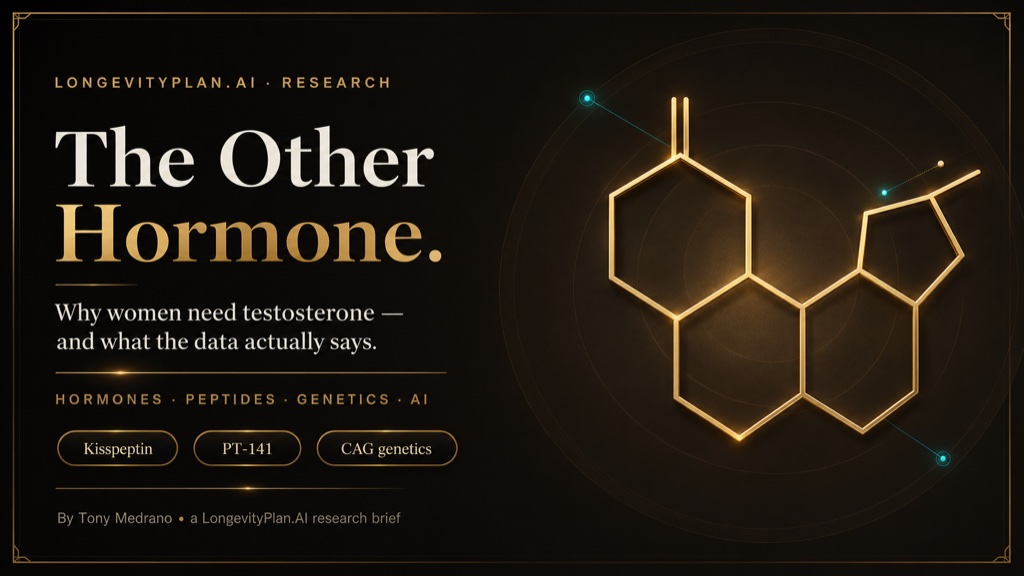
The Other Hormone: Why Women Need Testosterone
Testosterone is not a "male" hormone with a cameo in females. It is a primary female hormone, and learning to restore it precisely and safely is one of the most underappreciated frontiers in women's healthspan.
By Tony Medrano
This article is for education and is not medical advice.
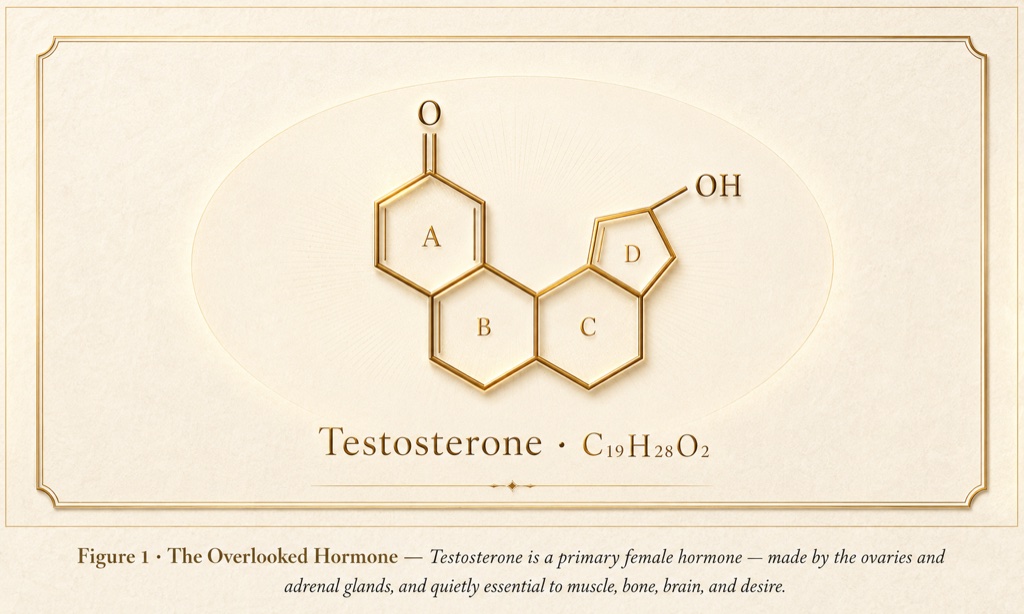
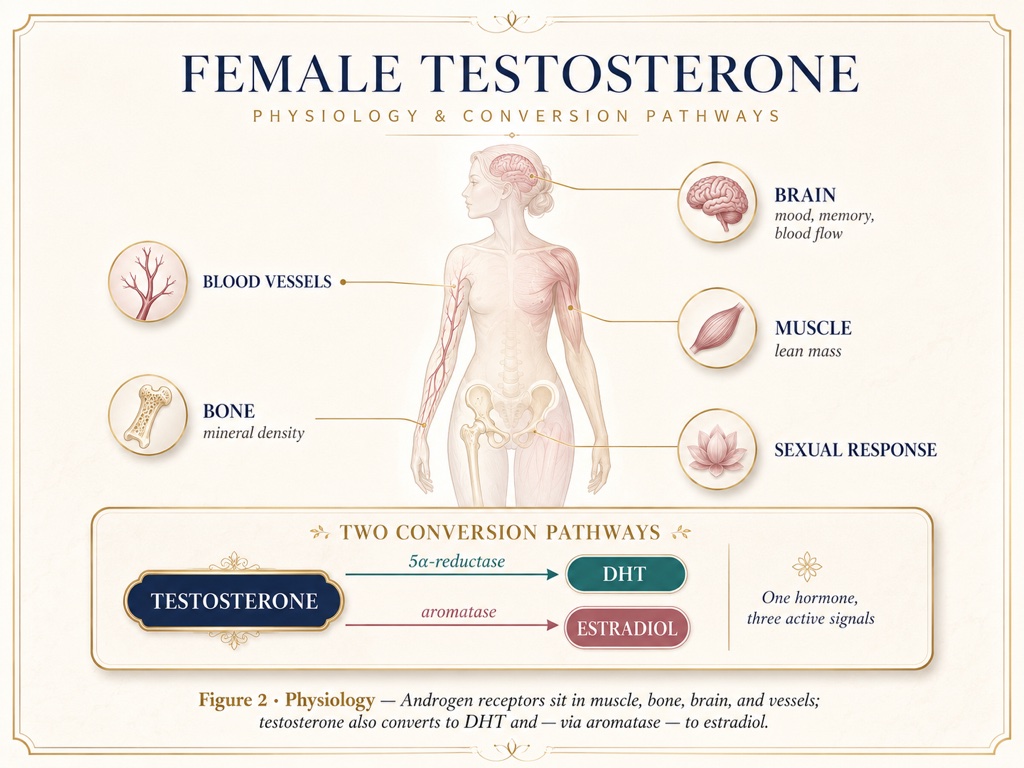
Ask a hundred well-informed women to name their most important hormone and almost all will say estrogen. A few will add progesterone. Almost none will say testosterone — and that omission may be the most consequential blind spot in modern women's health. Across her reproductive years, a woman's ovaries and adrenal glands produce several times more testosterone than estrogen by mass. It circulates quietly, binding androgen receptors in muscle, bone, brain, blood vessels, and the tissues of sexual response. Then, gradually and without fanfare, it fades.
Consider Halle Berry. At 54, the Oscar-winning actress — one of the visibly fittest people of her generation — went to a doctor after a painful night and was told she had "the worst case of herpes" he had seen. It was menopause. "My doctor had no knowledge and didn't prepare me," she later said.[1] Berry has since testified on Capitol Hill for menopause research funding and built Respin Health, an AI-and-coach platform that reads roughly 150 data points to personalize each woman's plan.[1] Her story is the thesis in miniature: wealth, fame, and elite fitness do not protect a woman from a system that under-measures her hormones — and the fix looks a lot like data, coaches, and science working together.
This is not a market report and not a sales pitch. It is a playbook — for the executive, the clinician, the aspirational masters athlete, and the person rebuilding after injury, illness, or a decade of quietly diminished vitality. The promise is simple: the real evidence, its honest limits, and a modern framework — powered by biomarkers, genetics, and AI — for deciding whether female androgen optimization belongs in your longevity plan.
The physiology: what testosterone actually does in a woman's body
Testosterone reaches its targets two ways: directly, by activating the androgen receptor, and indirectly, by converting into the more potent androgen dihydrotestosterone or — via the enzyme aromatase — into estradiol.[2] That dual role explains why the hormone touches so many systems at once, and why its decline is so easy to misread as "just getting older."
Sexual desire and response — the proven domain
This is where the evidence is conclusive. A 2019 systematic review and meta-analysis in The Lancet Diabetes & Endocrinology, led by Rakibul Islam and Susan Davis at Monash University, pooled the blinded randomized trials and found that transdermal testosterone significantly improved sexual desire, arousal, pleasure, orgasm, and the frequency of satisfying sexual events, while reducing the distress that defines the disorder.[3] The pooled effect is roughly one additional satisfying sexual encounter per month over placebo — modest in aggregate, life-changing for the woman it restores.[4]
Bone, muscle, and brain — the promising frontier
Androgen receptors populate muscle and bone, and androgens contribute to lean mass and bone density — the tissues whose loss turns a fall in one's seventies into a life-altering event. A controlled study by Davis and colleagues also found transdermal testosterone improved verbal learning and memory in postmenopausal women not on estrogen.[5] These signals are biologically coherent and genuinely exciting. In fairness to the reader, they are not yet proven endpoints: the same 2019 meta-analysis concluded that current trials do not establish a musculoskeletal or cognitive benefit, and flagged both as research priorities.[3] Desire is settled science; the rest is a frontier worth watching.
The decline: the slow fade, and a myth worth correcting
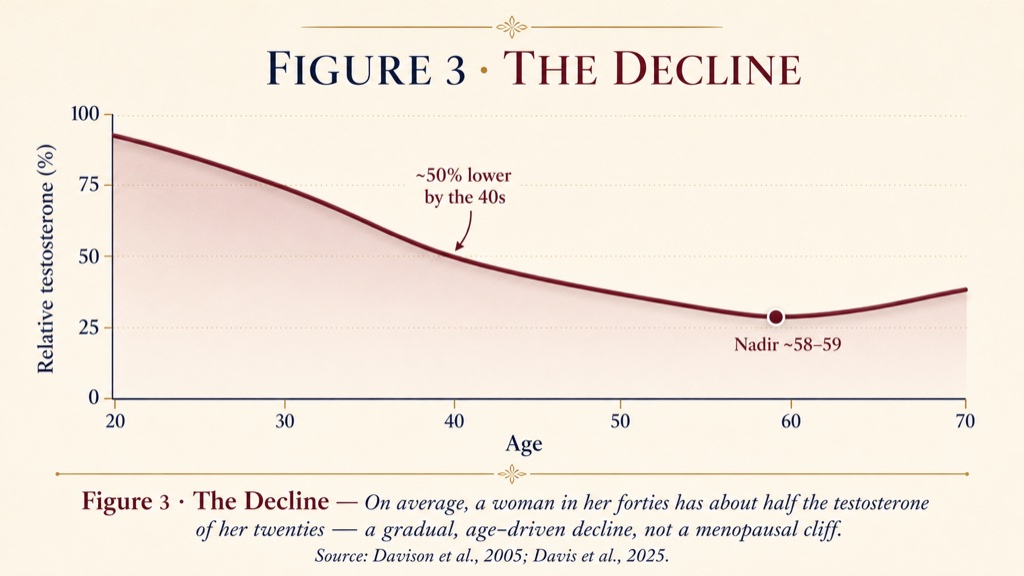
The foundational dataset is a cross-sectional study of 1,423 community-dwelling women aged 18 to 75, conducted by Susan Davison and colleagues and published in the Journal of Clinical Endocrinology & Metabolism.[6] Its finding is now widely cited: a woman in her forties carries, on average, roughly half the circulating testosterone of a woman in her twenties. The drop is gradual and begins early — there is no sudden cliff.
Here is where most wellness content goes wrong. It is tempting to blame menopause. The best recent evidence says otherwise: in 2025, Davis's group measured hormones by gold-standard mass spectrometry in women aged 40 to 69 and found testosterone declines with chronological age, reaching a nadir near 58 to 59 before modestly rising — with no independent effect of menopausal stage itself.[7] The decline is real, but it is an aging phenomenon, not strictly a menopausal one. That distinction should shape who is treated, and why.
The evidence bar: what the world's endocrine societies actually endorse
In 2019, an international task force convened by the International Menopause Society did something rare: it reached unanimous consensus. The resulting Global Consensus Position Statement on the Use of Testosterone Therapy for Women was endorsed by eleven leading bodies — The Endocrine Society, The Menopause Society (formerly NAMS), and others — and published simultaneously across four journals.[2] Its conclusion is worth memorizing before any consultation.
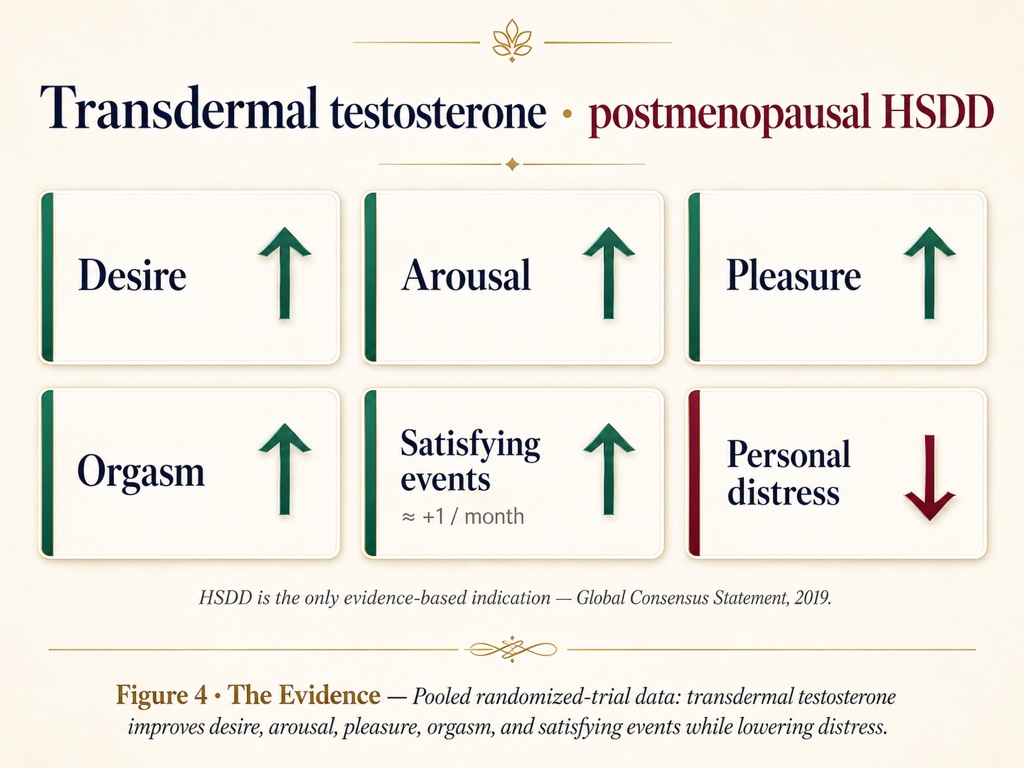
The single evidence-based indication for testosterone in women is hypoactive sexual desire disorder (HSDD) — persistently low desire that causes personal distress — in postmenopausal women, with a moderate therapeutic effect. Critically, no blood level reliably separates women with a sexual concern from those without one; the diagnosis rests on symptoms plus distress, not a number on a lab report. As co-author Susan Davis put it, the evidence "does not support the use of testosterone for any other symptoms or medical condition."[8]
"Testosterone won't fix everything." — Dr. Stephanie Faubion, Medical Director, The Menopause Society; Director, Mayo Clinic Center for Women's Health[9]
Faubion's point is the whole game. HSDD is multifactorial: vaginal dryness, painful sex, relationship strain, depression, sleep loss, and certain medications all suppress desire. A rigorous protocol treats those first, optimizes estrogen-based therapy where appropriate, and only then trials testosterone. That sequence is what separates a longevity plan from the "just add testosterone" clinics multiplying online.
The toolkit: creams, precursors, and the products earning approval
Transdermal testosterone: the standard of care
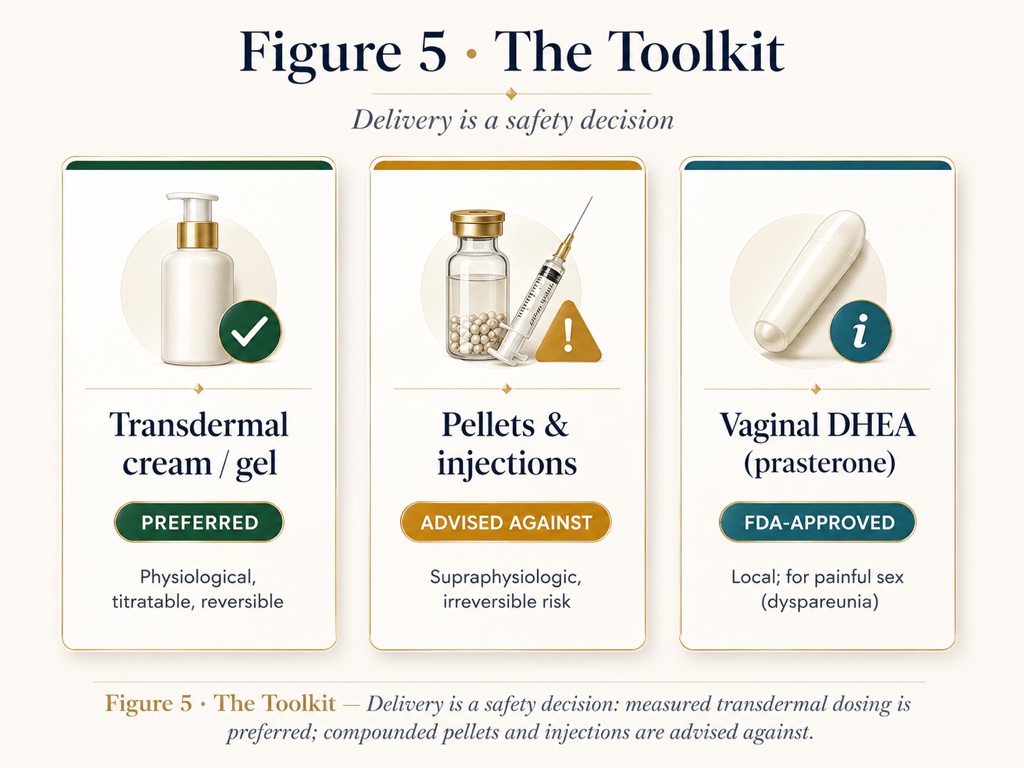
The consensus is unambiguous regarding delivery: a low-dose cream or gel applied to the skin is preferred because it avoids the adverse cholesterol effects of oral androgens.[3] The goal is strictly physiological — restore a woman's testosterone to the range of her premenopausal self, never above it.
For two decades, women had to borrow: clinicians prescribed male products off-label at roughly one-tenth the male dose — workable but imprecise. That is changing. Perth-based Lawley Pharmaceuticals secured Australian registration of AndroFeme 1, a 1% testosterone cream, for postmenopausal HSDD, dosed by graduated applicator at a fraction of a milliliter per day.[10] Founder Michael Buckley called it "the first approval that addresses the need for a female-specific, regulated testosterone formulation."[10] The category is graduating from improvisation to regulated precision.
The pellet-and-injection warning — read this twice
The Global Consensus Statement explicitly advises against compounded testosterone pellets and injections. The pharmacology is unforgiving: these formulations routinely drive blood levels far above the physiological female range, risking irreversible virilizing effects — voice deepening, unwanted hair growth, clitoral enlargement.[2] The luxury market is awash in "pellet therapy." The evidence favors a measured transdermal dose that can be titrated and, if needed, stopped.
DHEA: the precursor with a split verdict
Dehydroepiandrosterone (DHEA) is the adrenal precursor the body converts downstream into androgens and estrogens; its output falls roughly 60% by menopause.[11] A meta-analysis in the Journal of Clinical Endocrinology & Metabolism found that systemic (oral) DHEA does not reliably improve sexual function in postmenopausal women with normal adrenal function.[12] The exception is elegant: intravaginal DHEA — the pharmaceutical prasterone (Intrarosa), developed by the late Fernand Labrie's EndoCeutics — is FDA-approved for painful intercourse due to menopause. Applied locally, vaginal cells convert it into androgens and estrogens right where they are needed, with minimal change to blood levels, and it is one of the few options considered even for women with a breast-cancer history under specialist care.[13] Same molecule; opposite verdict depending on how and where it is delivered.
The peptide frontier: the most exciting — and most human — part of the story
Peptides are short chains of amino acids: the body's own signaling language. Because they mimic molecules we already make, they combine biological plausibility with, in many cases, encouraging safety signals — and a few have now cleared the highest bars in medicine. This is where the future of female hormone and sexual health is being written, and there is real reason for optimism.
Kisspeptin. This naturally occurring peptide sits atop the reproductive hormone axis and, remarkably, also tunes the brain circuits of attraction and arousal. In randomized, double-blind, placebo-controlled trials at Imperial College London led by Professor Waljit Dhillo and Dr. Alexander Comninos, a kisspeptin infusion measurably enhanced sexual and attraction-related brain activity on functional MRI in premenopausal women with HSDD — appearing to quiet the over-analytical regions that act as a brake on desire — and women reported feeling more receptive than on placebo.[14] A parallel trial in men showed the same brain effects plus a pro-erectile response.[15] Kisspeptin works through reward pathways independent of testosterone, and the same peptide has shown promise in IVF and bone biology. As Dhillo put it, kisspeptin "may offer a safe and much-needed treatment for HSDD"[14] — with a therapy potentially five to ten years away as larger trials proceed.[16]
PT-141 (bremelanotide). The category already has a proof of concept — and it is FDA-approved. PT-141, marketed as Vyleesi, is a synthetic cyclic peptide modeled on alpha-MSH, a natural human peptide hormone. Rather than acting on blood flow like Viagra-class drugs, it activates melanocortin MC3R/MC4R receptors in the brain to switch on desire itself. Across the two Phase 3 RECONNECT trials enrolling more than 1,200 premenopausal women, on-demand bremelanotide produced statistically significant improvements in sexual desire and reductions in distress, earning FDA approval in 2019 as the first on-demand treatment for HSDD.[17] Delivered as a small, as-needed subcutaneous dose about 45 minutes before intimacy, it is living proof that a peptide — derived from the body's own signaling molecules — can meet the highest regulatory standard for female sexual health.
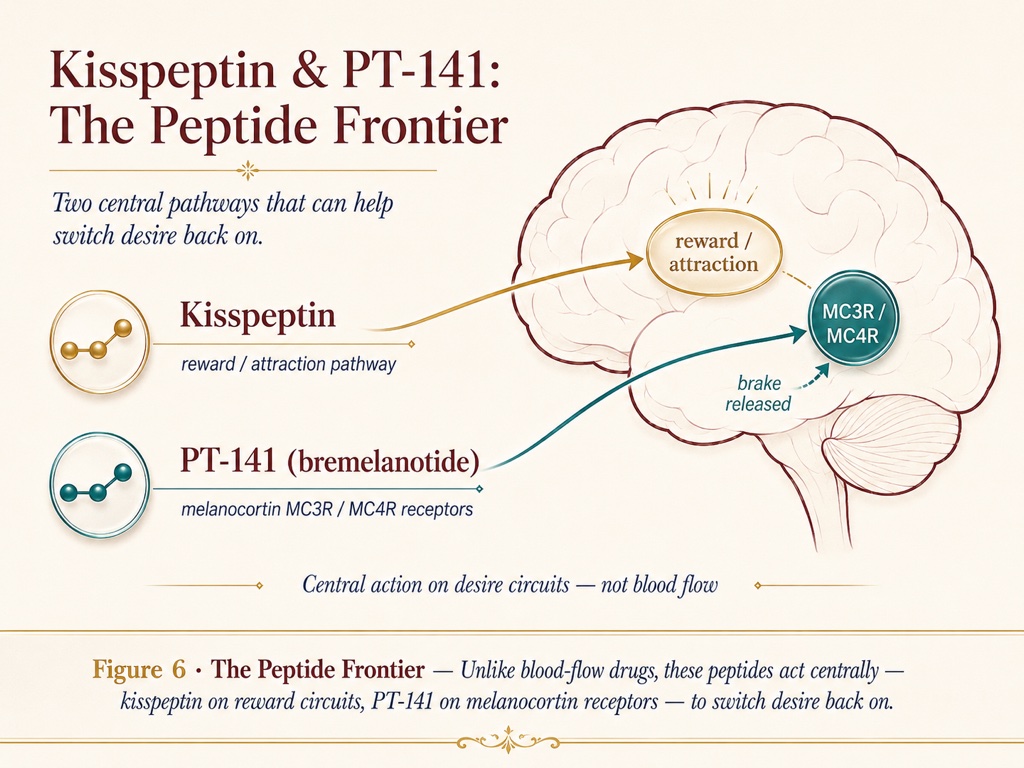
Read together, these tools map neatly onto a woman's life stage: transdermal testosterone carries the strongest evidence for postmenopausal HSDD; PT-141 owns the FDA-approved premenopausal lane; and kisspeptin is the emerging candidate that may one day serve both. Add the regenerative and growth-hormone-axis peptides that performance practitioners already use to support recovery and body composition — an area where early human and animal data are promising even as larger trials mature — and the picture is not competition but a widening menu of personalized, mechanism-based options. Thoughtful Peptide Therapy belongs in a modern plan as a monitored, expectation-managed frontier with genuine upside.
Why one dose never fits all: your genes decide how you respond
Here is the question that separates a real plan from a protocol printed off the internet: if two women have identical testosterone levels, will they feel identical effects? At the molecular level, almost certainly not — and the reason is written in their DNA.
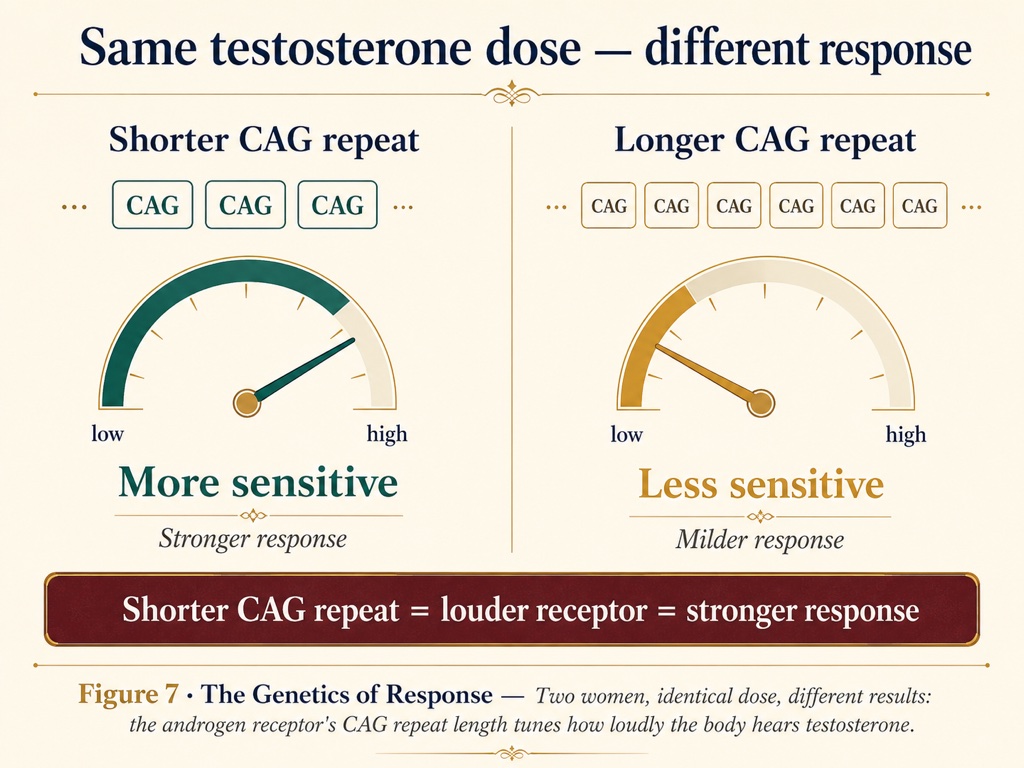
The androgen receptor is genetically variable. Its gene carries a stretch of repeating CAG units, and that length tunes the receptor's sensitivity: shorter repeats generally mean a more transcriptionally active, more androgen-sensitive receptor. Studies in postmenopausal women link shorter CAG repeats to higher effective androgen activity.[18] In plain terms: same dose, same blood level — meaningfully different biological effect, because one woman's receptors simply "hear" testosterone more loudly.[19]
This principle now extends across the peptide landscape. In a striking 2025 example, Cleveland Clinic researchers analyzing the NIH All of Us and UK Biobank cohorts identified a gene (neurobeachin, NBEA) whose variants predict who responds to GLP-1 peptide medications: a "responsive" genetic score made significant weight loss up to 82% more likely, while a "non-responsive" score made non-response up to 50% more likely.[20] A 23andMe genome-wide study of nearly 28,000 GLP-1 users pinpointed a variant in the GLP-1 receptor gene itself predicting extra weight loss per copy.[21] (For balance: a multi-ancestry biobank analysis found only limited genetic prediction of GLP-1 response — a reminder that this science is young.[22])
"The treatment they receive is most likely to work for them." — Dr. Daniel Rotroff, Cleveland Clinic, on the goal of genetically tailored therapy[20]
Consumer tools are operationalizing exactly this. Products such as the PlexusDx Precision Peptide Genetic Test map DNA variants across pathways relevant to peptide and hormone signaling — androgen sensitivity, estrogen clearance, the growth-hormone axis, nitric oxide production — to give a provider a baseline before a protocol begins, rather than after months of trial and error.[23] Used as a pathway map, this is the missing first variable in most protocols: your own biology.
The Digital Twin for Predictive Peptide Performance™
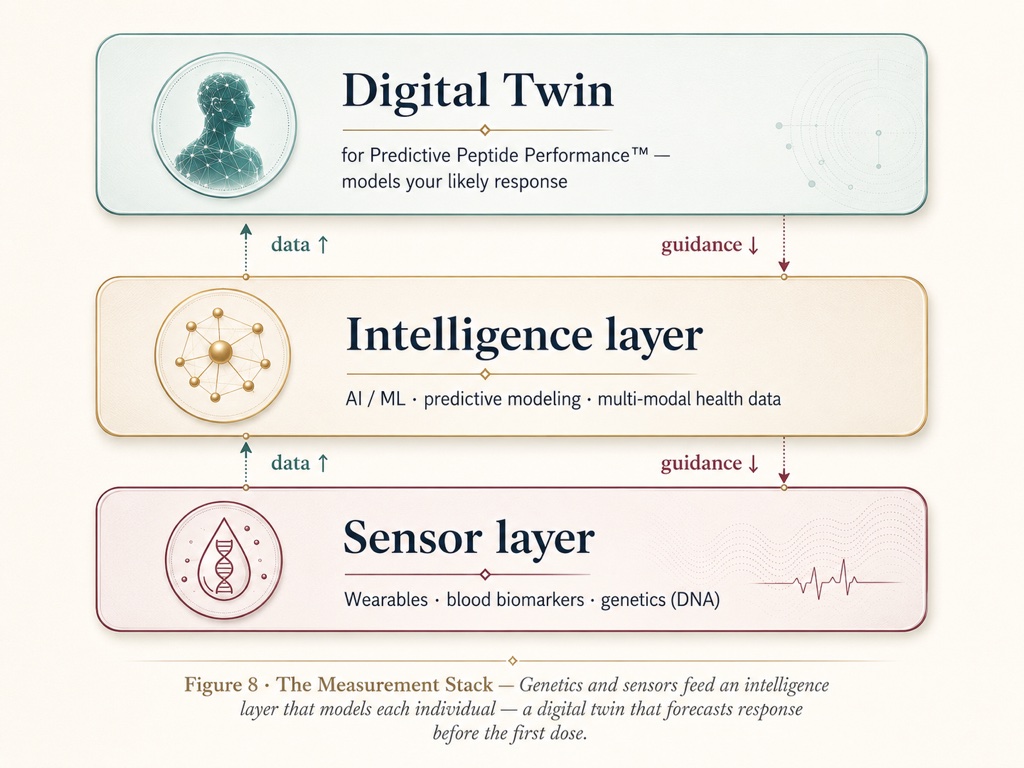
Here genetics stops being trivia and becomes infrastructure. A Digital Twin for Predictive Peptide Performance™ is a computational model of an individual woman — seeded with her genetics (androgen-receptor sensitivity, hormone-metabolism variants), then continuously updated with her biomarkers and physiology. The genetic layer sets the initial hypothesis about how she will respond to a given androgen or peptide; the live data layer refines that hypothesis as real results arrive. Instead of "start, wait three months, retest, guess again," the twin lets the Athlete / Patient and her care team reason about the likely response before the first dose — and adjust with far tighter feedback.
The measurement stack: sensors, intelligence, and the coaches who make it work
A Digital Twin is only as good as the data feeding it. Modern longevity planning is built as a stack. At the bottom sits the sensor layer — continuous wearable streams (sleep, heart-rate variability, body composition) plus periodic deep biomarker panels from blood. Above it sits the intelligence layer, where machine learning fuses those signals into multi-modal health data and performs the predictive modeling that turns numbers into a plan.
The useful question is not "which brand wins" but "which layer do I actually need?" — and every layer is more valuable in expert hands. This is where the best coaches and clinicians earn their keep. Weight-loss and performance coaches, dietitians, nutritionists, and executive coaches are the accountability layer that no algorithm can replace; they turn a data stream into results. Halle Berry's Respin borrows the model explicitly — pair the science with a human coach, Weight Watchers style. A Coach / Practitioner fluent in peptide science, performance data, and a Digital Twin is not displaced by AI but amplified by it, converting AI-powered coaching improvements into better client outcomes. That fluency — in science, peptides, and performance optimization — is precisely what LongevityPlan.AI is built to put in a practitioner's hands, and what makes the same tools compelling as a Corporate Wellness Program for organizations protecting the productive healthspan of their most experienced people.
The playbook: how to actually do this — safely and precisely
A defensible, evidence-grounded sequence for a woman considering androgen optimization — the questions to ask, in order.
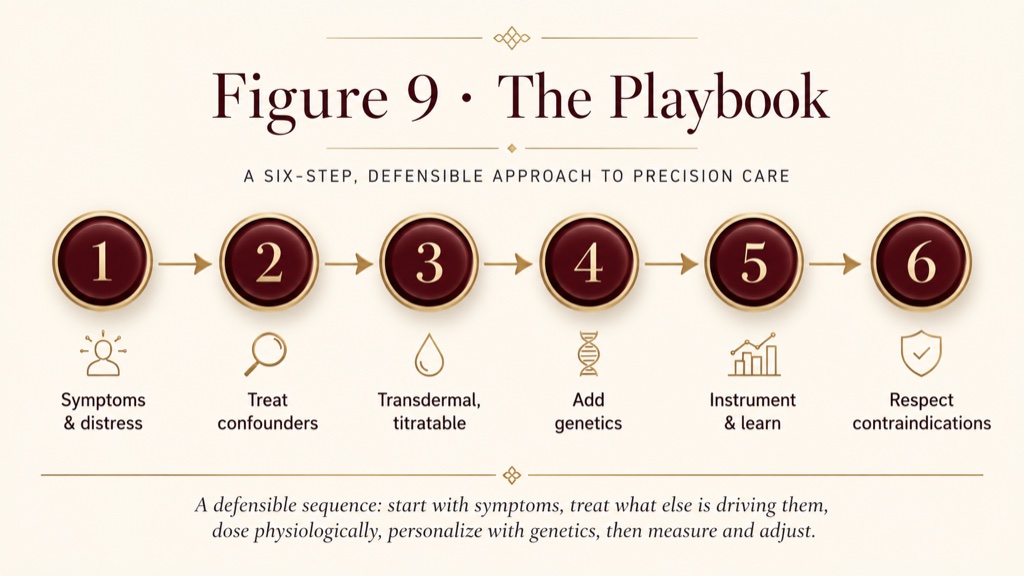
1. Start with symptoms and distress, not a lab number
The valid entry point is a genuine, distressing loss of sexual desire. Because no blood level defines the condition, a credible provider begins with a structured history rather than an assay.
2. Treat the confounders first
Optimize estrogen-based therapy if indicated; address vaginal atrophy (topical estrogen or vaginal prasterone); screen for depression, relationship factors, sleep, and libido-lowering medications. Many "low testosterone" symptoms resolve here.
3. If you trial testosterone, insist on the physiological, transdermal, titratable route
A female-specific cream where available, or a carefully dose-reduced transdermal product — never pellets or injections. Set a baseline, then monitor to confirm you remain in the premenopausal physiological range. The aim is restoration, not amplification.
4. Layer in genetics as your starting hypothesis
Androgen receptor sensitivity and hormone metabolism variants help explain why your response may differ from a friend's on the same protocol. Treat a genetic panel as a map, not a verdict.
5. Instrument the response, then let the model learn
Track outcomes with the rigor you would bring to a training block or a portfolio — biomarkers, wearable trends, validated symptom scales — and review them on a defined cadence. This closed loop is the difference between guessing and knowing.
6. Respect the contraindications
Testosterone therapy is generally not recommended for women with a history of hormone-sensitive breast cancer, and requires caution and specialist involvement with significant heart or liver disease. Long-term safety data are still maturing — a reason for diligent monitoring, not bravado.[2]
What emerges is not a hormone to fear or a miracle to chase, but an instrument — one that, played precisely, can restore a dimension of vitality women have too long been told to accept as the price of aging. The people who invest most wisely in longevity are not those with the longest supplement stacks; they are the ones who measure honestly, respect the evidence, and build a plan that learns. Testosterone is one string on that instrument. Estrogen, peptides like kisspeptin and PT-141, sleep, muscle, and metabolism are the others. The art — worth planning for, ideally before you need it — is playing them in tune, together, with your own biology as the score. A Peptide Longevity Plan™, or simply a seat in a serious Longevity Club, is not vanity. It is infrastructure for the decades you intend to spend at full strength.
Sign up for FREE daily Longevity Club Workshops, or join the Affiliate Program (pays 20%). Subscribe to the Longevity & Peptide Optimization Newsletter.
About the Author
Tony Medrano is CEO and co-founder of LongevityPlan.AI, a platform that integrates performance and health data and leverages proprietary Digital Twin for Predictive Peptide Performance™ technology, wearable data, and biomarker data to deliver personalized optimization and longevity recommendations. A 3x technology/AI company CEO with 2 successful exits, Tony has completed 3 Full Ironman Triathlons (140.6 mi) since 2019. He holds degrees from Harvard University, Columbia University, and a JD/MBA from Stanford University, and has worked with the US Olympic Team, the NBA, NFL, MLB, NASA, Google, Microsoft, and Netflix, among others. He also served as a US Navy Officer commanding an emergency response team aboard a destroyer.
Disclaimer: This article is educational and is not medical advice. Testosterone therapy for women is prescription-only, is not FDA-approved in the United States for any female indication, and the peptides discussed here are investigational or approved only for specific narrow uses. Nothing here recommends a specific therapy. Hormonal and peptide decisions require a qualified clinician and current laboratory data.
Endnotes and sources
- Halle Berry, menopause advocacy and Respin Health: Fortune, "Halle Berry was misdiagnosed with herpes, launching her menopause crusade," Oct 2024; ABC News / Good Morning America coverage of the Advancing Menopause Care and Mid-Life Women's Health Act, May 2024 (Berry quote); WWD, "Halle Berry Launches Respin Health," Feb 2025 (150 health data points; AI-and-coach model).
- Davis SR, Baber R, Panay N, et al. Global Consensus Position Statement on the Use of Testosterone Therapy for Women. Climacteric. 2019;22(5):429–434 (simultaneously in J Clin Endocrinol Metab, Maturitas, J Sex Med). doi:10.1080/13697137.2019.1637079.
- Islam RM, Bell RJ, Green S, Page MJ, Davis SR. Safety and efficacy of testosterone for women: a systematic review and meta-analysis of randomised controlled trial data. Lancet Diabetes Endocrinol. 2019;7(10):754–766. doi:10.1016/S2213-8587(19)30189-5.
- Effect-size framing from Ref. 3 and: Achilli C, Pundir J, Ramanathan P, et al. Efficacy and safety of transdermal testosterone in postmenopausal women with HSDD: a systematic review and meta-analysis. Fertil Steril. 2017;107(2):475–482.
- Davis SR, Jane F, Robinson PJ, et al. Transdermal testosterone improves verbal learning and memory in postmenopausal women not on oestrogen therapy. Clin Endocrinol (Oxf). (As cited within Ref. 3.)
- Davison SL, Bell R, Donath S, Montalto JG, Davis SR. Androgen levels in adult females: changes with age, menopause, and oophorectomy. J Clin Endocrinol Metab. 2005;90(7):3847–3853.
- Davis SR, et al. Testosterone and pre-androgens by age and menopausal stage at midlife: findings from a cross-sectional study. eBioMedicine. 2025 (LC-MS/MS; testosterone nadir ~58–59 years, no independent menopausal-stage effect).
- Davis SR, quoted in: The Endocrine Society, "Coalition issues international consensus on testosterone treatment for women," news release, 2019.
- Faubion S, quoted in WeightWatchers Health, "Why Are Women Prescribed Testosterone During Menopause?" 2026; see also The Menopause Society, Sexual Health patient education.
- Lawley Pharmaceuticals / Australian Register of Therapeutic Goods registration of AndroFeme 1, 20 Nov 2020; CEO Michael Buckley quoted via Women's Health Research Institute of Australia, 2020; Tanner Pharma Group named-patient program, 2020.
- Labrie F, et al. Intravaginal dehydroepiandrosterone (Prasterone), a physiological and highly efficient treatment of vaginal atrophy. Menopause. 2009;16(5):907–922 (~60% DHEA decline by menopause).
- Elraiyah T, Sonbol MB, Wang Z, et al. The Benefits and Harms of Systemic Dehydroepiandrosterone (DHEA) in Postmenopausal Women With Normal Adrenal Function: A Systematic Review and Meta-analysis. J Clin Endocrinol Metab. 2014;99(10):3536–3542.
- Prasterone (Intrarosa, EndoCeutics), FDA-approved for moderate-to-severe dyspareunia due to menopause; local conversion with minimal serum change; ASCO guidance for patients on aromatase inhibitors. Labrie F, et al. J Sex Med. 2015;12(12):2401–2412; NCBI Bookshelf NBK562865.
- Thurston L, Comninos AN, Dhillo WS, et al. Effects of Kisspeptin Administration in Women With Hypoactive Sexual Desire Disorder: A Randomized Clinical Trial. JAMA Network Open. 2022 (randomized, double-blind, placebo-controlled crossover; n=32 premenopausal women). Dhillo quote via Imperial College London news, 2023.
- Mills EG, Comninos AN, Dhillo WS, et al. Effects of Kisspeptin on Sexual Brain Processing and Penile Tumescence in Men With Hypoactive Sexual Desire Disorder: A Randomized Clinical Trial. JAMA Network Open. 2023. PMID 36735255.
- Comninos AN, comments on clinical timeline, Medical News Today coverage of the Imperial College kisspeptin trials, 2023.
- Bremelanotide (PT-141, Vyleesi; Palatin Technologies/AMAG), FDA-approved June 2019 for acquired, generalized HSDD in premenopausal women; melanocortin MC3R/MC4R agonist derived from alpha-MSH; RECONNECT-1 and RECONNECT-2 Phase 3 trials (>1,200 women); 1.75 mg subcutaneous, on-demand. FDA Vyleesi prescribing information; Kingsberg SA, et al. Obstet Gynecol. 2019.
- Association between androgen receptor gene CAG repeat polymorphism and plasma testosterone levels in postmenopausal women. PubMed 15695110 — shorter X-weighted CAG biallelic mean associated with higher total testosterone and free androgen index.
- Influence of CAG Repeat Polymorphism on the Targets of Testosterone Action (review). Int J Endocrinol / PMC4572434 — shorter repeats correlate with greater androgen-receptor transcriptional activity.
- Mariam-Smith A, Rotroff DM, et al. Neurobeachin (NBEA) is a novel gene associated with GLP-1 receptor agonist–associated weight loss. Diabetes Obes Metab. 2025. doi:10.1111/dom.16612. Rotroff quoted via Cleveland Clinic / press coverage, 2025.
- Auton A, et al. (23andMe Research Team). Genetic predictors of GLP-1 receptor agonist weight loss and side effects. Nature. 2026. doi:10.1038/s41586-026-10330-z (GWAS of 27,885 users; missense GLP1R variant, −0.76 kg per effect allele).
- Association between plausible genetic factors and weight loss from GLP1-RA and bariatric surgery. Nat Med. 2025. doi:10.1038/s41591-025-03645-3 (10,960 individuals, 9 biobanks; limited genetic prediction of GLP-1 response).
- PlexusDx Precision Peptide Genetic Test — maps SNP variants across pathways relevant to peptide/hormone signaling (product literature, 2026). Presented as an example of the consumer pharmacogenomic category, not a clinical endorsement.
- Superpower company profile and Series A ($30M, April 2025, led by Forerunner Ventures; Feminade acquisition, Jan 2025); Sacra research profile; Superpower biomarker documentation, 2025–2026.
- Function Health membership and pricing (160+ tests; ~$365/yr in 2026), functionhealth.com and comparative reviews, 2026.
- Lifeforce and Fountain Life pricing/model per Sacra and independent platform comparisons, 2025–2026; figures approximate and subject to change.
- The Protocole (theprotocole.com), company materials, 2026: referral-based membership; medical-grade peptides prescribed by licensed clinicians and compounded by FDA-registered U.S. pharmacies; no first-order membership fee, then ~$60/month; peptides from ~$200/vial. Presented descriptively, not as a clinical endorsement.
- Extension Health (extension.health), company materials and Longevity.Technology clinic profile, 2025–2026: Manhattan longevity clinic (Dr. Jonathann Kuo); tiered memberships (Superhuman, Catalyst, Reboot); 350+ biomarkers, DEXA, VO₂ max, genetic/mitochondrial testing; peptide therapy alongside interventional therapeutics (therapeutic plasma exchange, EBOO, HBOT, regenerative medicine). Descriptive, not a clinical endorsement. #Longevity #Healthspan #WomensHealth #Testosterone #Menopause #HormoneOptimization #Peptides #Kisspeptin #PT141 #PrecisionMedicine #Pharmacogenomics #DigitalTwin #PreventiveMedicine #AIinHealthcare #Perimenopause —-LinkedIn Post and Primary Image Below—-- Most women can name one "important" hormone: estrogen. Almost none say testosterone — and that blind spot may be the most under-priced opportunity in women's healthspan. New from LongevityPlan.AI: "The Other Hormone — Why Women Need Testosterone, and What the Data Actually Says." The evidence, honestly: → Desire is settled science. The landmark meta-analysis from Susan Davis (Monash University) shows transdermal testosterone improves desire, arousal, and satisfying events in postmenopausal HSDD. → Bone, muscle, and brain are a promising frontier — biologically coherent, not yet proven. → The decline tracks chronological age, not menopause itself. And delivery is a safety decision: physiologic transdermal, yes; compounded pellets, no. Where it gets exciting — the peptide frontier: → Kisspeptin — Prof. Waljit Dhillo's team at Imperial College London — acts on the brain's reward circuits. → PT-141 / bremelanotide (Vyleesi, Palatin Technologies) is already FDA-approved. → Your genes decide the dose: androgen-receptor CAG repeats, plus GLP-1 response work from Dr. Daniel Rotroff at Cleveland Clinic. The takeaway for practitioners: precision beats potency. Genetics + biomarkers + a great coach — amplified by AI, not replaced by it. H/T the builders: Respin Health, Function Health, Superpower, Lifeforce, Fountain Life, The Protocole, Extension Health. For clinicians, coaches, scientists, and the peptide-curious — this one's for you. What would you add? 🔗 Full article in comments.