Mental Health
·18 min read
The Molecules of Calm: Five Peptides at the Frontier of Anxiety Science
A field guide to the neuropeptides rewriting the science of stress — the real findings, the vivid stories, and the reason the same molecule that steadies one person leaves the next one flat.
By Tony Medrano & Coach Rob Wheeler
This article is for education and is not medical advice.
Coach Rob's perspective. "After spending years in the military and nearly two decades in law enforcement, I learned something that statistics can't fully explain. My anxiety didn't always feel like fear. Sometimes it looked like anger. Sometimes it looked like overworking. Sometimes it looked like isolating myself from people who cared about me.
I didn't recognize it because it did not feel immediately like I was panicking — I was low-level functioning. That's one of the dangers of anxiety in veterans, first responders, executives, and other high-performing professionals. We become so accustomed to operating under constant stress that survival mode begins to feel normal. Recovery didn't come from one breakthrough. It came from rebuilding the fundamentals — sleep, fitness, structure, purpose, relationships, and eventually asking for help when I needed it. That's why research into new treatments is so encouraging. Not because they're magic, but because every additional tool that helps someone reclaim their life is worth studying. Understanding the biology of anxiety doesn't remove personal responsibility. It removes unnecessary shame.
Once you realize your nervous system has become dysregulated — not that you've somehow become weak — you can begin rebuilding from a place of knowledge instead of self-judgment."
Somewhere between the boardroom and the ice bath, high performers have rediscovered a truth the anxious have always known: a calm nervous system is not a luxury. It is infrastructure. It underwrites the deep sleep that consolidates memory, the heart rate variability that correlates with cardiovascular longevity, and the executive composure that separates a sharp decision from an expensive one. Leave the alarm system switched on — cortisol high, amygdala twitchy, sleep in tatters — and the body ages faster and thinks worse.
For a century, the pharmacology of calm has run on a single move: flood the brain's GABA system. Benzodiazepines do this brilliantly and briefly, at a famous price — sedation, tolerance, cognitive fog, dependence. SSRIs take a slower, different road. Both are evidence-based and right for many people. But a quieter, more elegant line of research has been asking a better question: instead of overwhelming a single receptor system, what if we worked with the body's own signaling molecules — the neuropeptides it already produces to regulate fear, stress, sleep, and social safety?
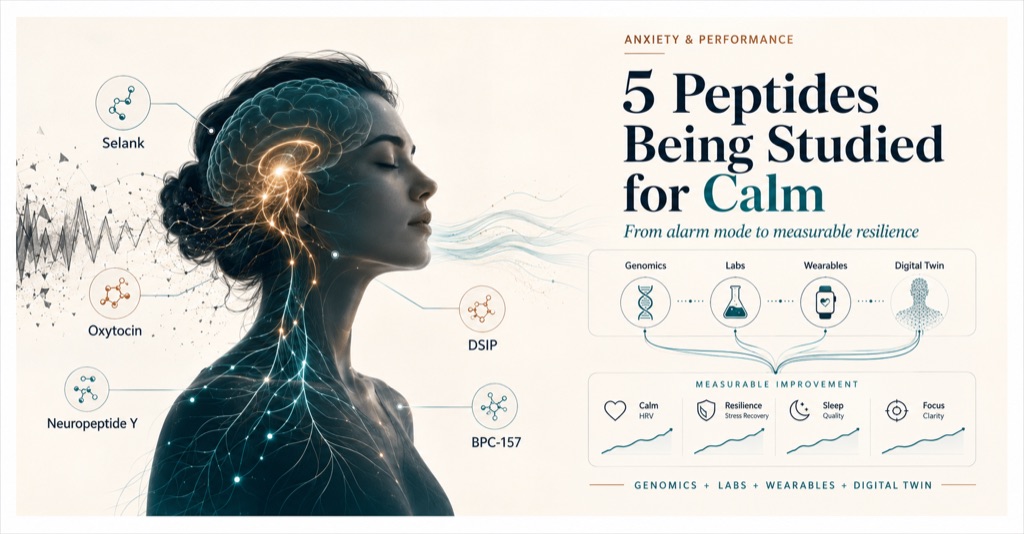
This is a tour of five of them — Selank, oxytocin, neuropeptide Y, delta sleep-inducing peptide, and BPC-157. It's written for readers who want the science with the lights on: the genuinely thrilling findings and an honest sense of how far along each one is. Because the most useful thing you can carry into the peptide conversation isn't optimism or doubt. It's calibration.

The pharmacology of calm is shifting from brute-force sedation toward the body's own signaling molecules — short peptide chains the nervous system already knows how to read.
Read this first. Anxiety is a medical condition, and several compounds below are not FDA-approved to treat it — some are not approved for human use at all. This is a scientific overview for educated readers, not medical advice or a protocol. Nothing here should delay evidence-based care. If anxiety is affecting your life, the highest-yield first move is a licensed clinician — ideally one who's willing to look at your data.
Why peptides, and why the timing is finally right
Peptides are short chains of amino acids — the same building blocks as the protein in your steak and your muscles, just fewer of them. Your body runs on thousands. Insulin is a peptide. So is the oxytocin released when you embrace someone you love, and the neuropeptide Y that floods a soldier's bloodstream during a mock interrogation. That's the deep appeal of the peptide approach to stress: these are molecules the nervous system already speaks fluently, and many of them act as gentle modulators — nudging a system back toward baseline — rather than blunt instruments that pin it wide open.
There's real elegance in that. A molecule the body already makes is a biologically plausible starting point and is often well tolerated. It's also the reason the field radiates optimism: peptides tend to act through native pathways with long evolutionary histories. The mature version of that optimism simply adds a second clause — "biologically native" is a reason to investigate, not a substitute for knowing the right dose, the interactions, and the vial's source. Enthusiasm and rigor aren't opponents here. They're teammates.
What makes this a frontier rather than a fad is a second revolution running in parallel: we can finally measure the nervous system. Continuous heart rate variability, sleep-stage architecture, overnight respiratory rate, cortisol rhythms, inflammatory markers, and, increasingly, the genetic variants that determine how a given person responds to a given molecule. For the first time, "Is this working for me?" has a numerical answer. Endogenous molecules on one side, dense personal data on the other. That combination is what's new.
Anxiety isn't just feeling nervous
Anxiety is often misunderstood by people who've never lived with it. It isn't simply worrying too much. It can sometimes feel like your body is preparing for a threat that doesn't exist.
Your heart races while you're sitting on the couch. Your mind convinces you that something terrible is about to happen, even when everything around you is objectively safe. You become exhausted because your nervous system never truly shuts off. Many people may even describe anxiety as "living in tomorrow's problems." Depression often follows right behind.
After weeks or months of living in a constant state of hypervigilance, your body and your brain just shut down from being overloaded. Motivation disappears. Things you once enjoyed become obligations. The same brain that couldn't stop racing suddenly struggles to get out of bed.
Understanding the biology behind these experiences doesn't make them disappear — but it does remove one dangerous belief: you're not weak, and you're not hopeless. Your nervous system is dysregulated.
How to read the excitement: three tiers of evidence
Every claim in this space belongs in one of three buckets. Marketing blurs them together. A savvy reader keeps them apart — not to kill the excitement, but to aim it.
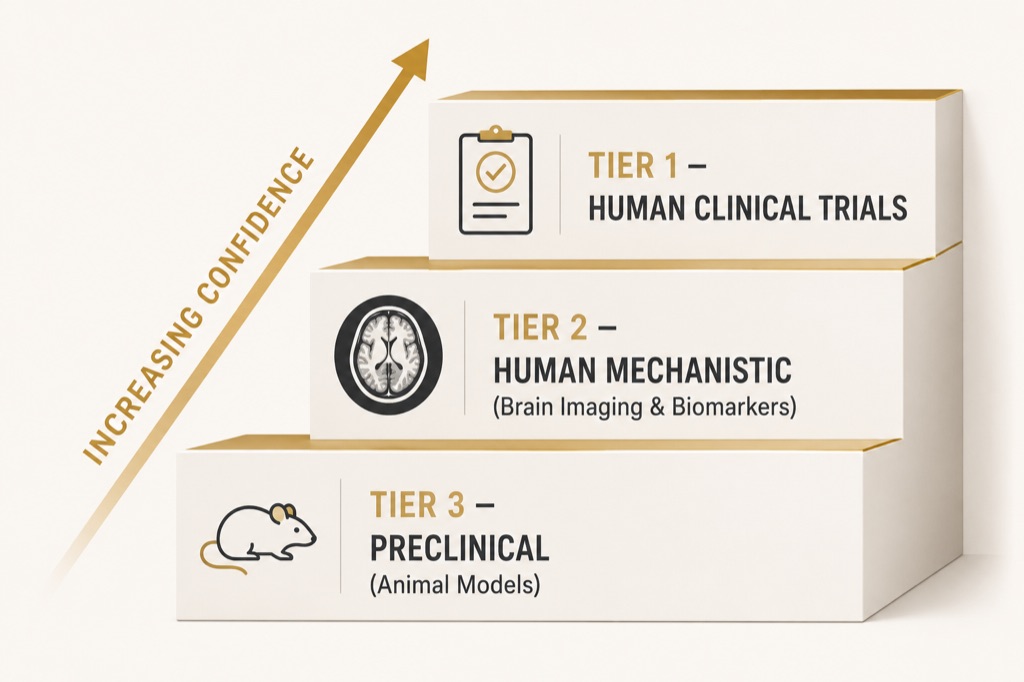
A simple rule for cutting through the hype: sort every peptide claim into one of three tiers, and let your enthusiasm scale with the evidence beneath it.
Tier 1 — Human clinical evidence. Controlled trials in people, with validated instruments and a comparator. This is where confidence lives, and where a peptide graduates from "fascinating" to "proven."
Tier 2 — Human mechanistic evidence. Real human data, short of an outcome trial: brain imaging showing a molecule reshaping amygdala activity, or measurements showing a peptide level runs low in people with a stress disorder. A strong, thrilling signal — the kind that launches Tier 1 trials.
Tier 3 — Preclinical evidence. Elegant animal work — the elevated plus maze, the light/dark box, the forced swim test. This is where discovery happens, and where some of the boldest findings in this article live. It's also the tier that translates least reliably, which is exactly why the smart move is to treat a dazzling mouse result as a promising lead rather than a finished promise.
Here's where our five sit before we meet them properly. Read it as a map of momentum.
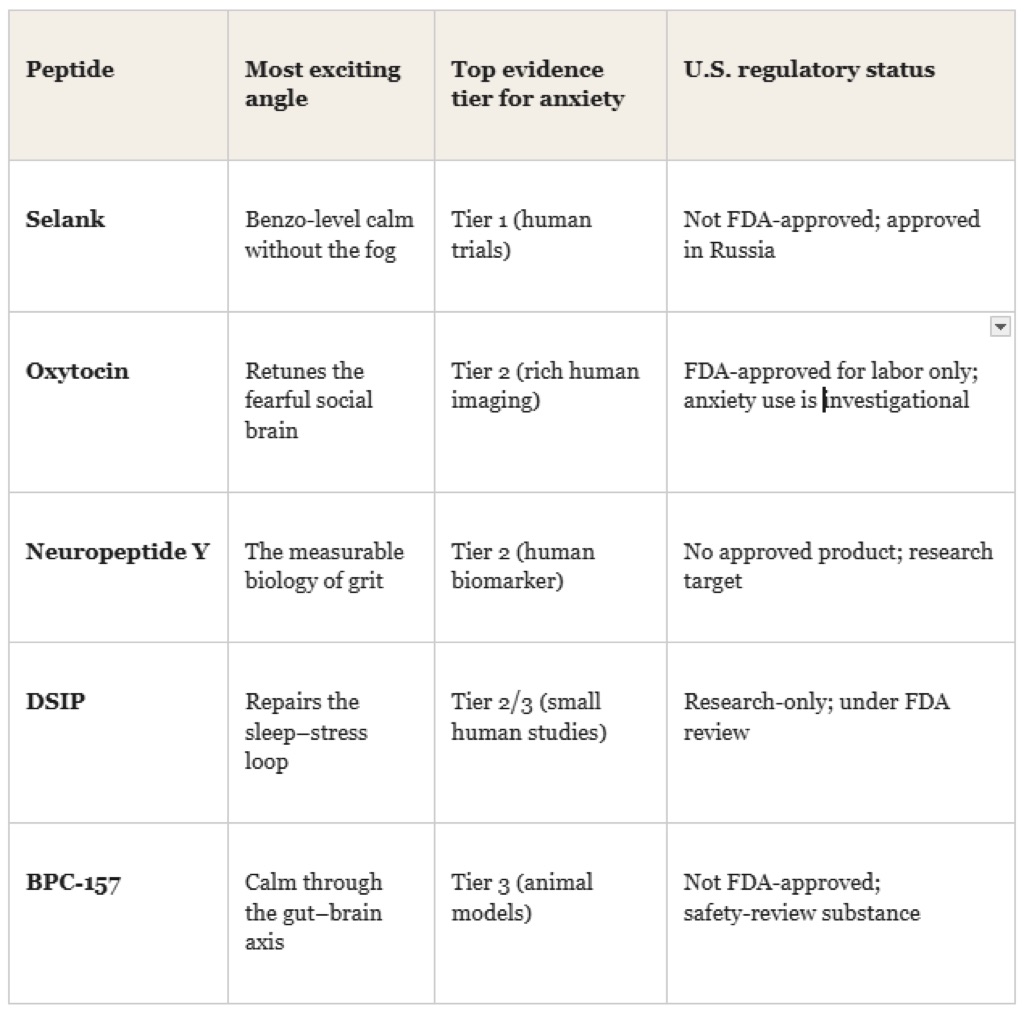
Read more scientific research from LongevityPlan.AI, or buy peptides from our shop.
1. Selank — the one that made it to humans
Start with the standout. Selank is a synthetic seven-amino-acid peptide, engineered at the Institute of Molecular Genetics of the Russian Academy of Sciences as a stabilized cousin of tuftsin, a natural immune-signaling fragment. Among our five, it's the one that cleared the highest bar: real human clinical trials, plus approval and everyday prescription in Russia as a nasal spray for generalized anxiety and stress-related exhaustion.1,2
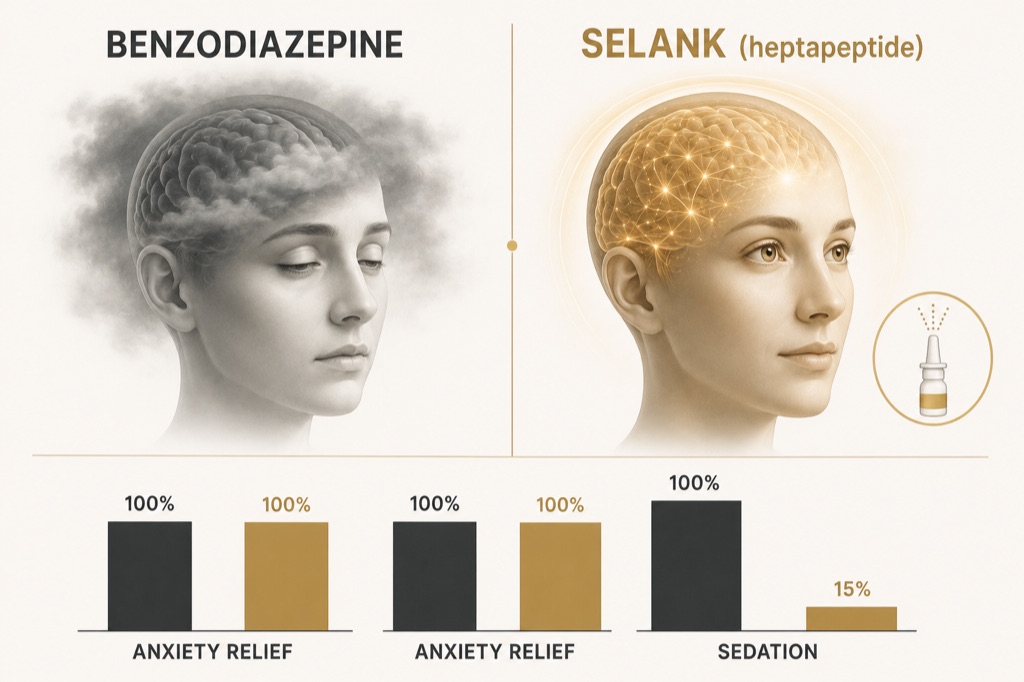
In head-to-head Russian trials, the seven-amino-acid peptide Selank matched a benzodiazepine's anxiety relief — while adding alertness instead of sedation.
The marquee trial, led by A.A. Zozulya and colleagues, pitted Selank head-to-head against medazepam — a benzodiazepine — in 62 patients with generalized anxiety disorder and neurasthenia, tracked on the Hamilton, Zung, and Clinical Global Impression scales.1 The result is the kind that makes researchers lean forward: Selank matched the benzodiazepine's anxiety relief while adding anti-fatigue and mild stimulant effects — the opposite of the sedation and mental cotton-wool benzodiazepines are known for. And it came with a biochemical signature: anxious patients showed reduced stability of leu-enkephalin, one of the body's own opioids, and Selank treatment pushed that stability back up.1,3
That enkephalin fingerprint points to the mechanism. Rather than hammering GABA-A receptors, Selank appears to work diffusely — stabilizing enkephalins and modulating serotonergic and BDNF-related pathways — which is the leading theory for how it delivers calm without the classic benzodiazepine tax.3 It is, in short, the most tantalizing proof-of-concept on this list: evidence that a native-style peptide really can rival a blockbuster tranquilizer on its own turf.
The calibration: those human trials, while real, are small and largely rooted in one research tradition, and Selank remains unapproved in the United States. It was placed on — and in September 2024 removed from — the FDA's Category 2 compounding list, but "off the concern list" is not "cleared for use," and it hasn't been added to the approved compounding roster either.19,20 Selank is the peptide here with the best claim to work in humans. It's also a reminder that "promising in Moscow" and "provisioned safely at your pharmacy" are two different milestones.
2. Oxytocin — the molecule that retunes the social brain
Oxytocin is the most famous peptide on this list and the most poetically miscast. Pop culture crowned it the "love hormone." The neuroscience is cooler and more precise — and, honestly, more impressive: oxytocin is a master modulator of social salience and threat, produced in the hypothalamus and acting densely on the amygdala, the brain's threat-detection hub.
Here, the human evidence is genuinely exciting. In a landmark controlled imaging study, Izelle Labuschagne, K. Luan Phan, and colleagues gave patients with generalized social anxiety disorder a single intranasal dose and watched their amygdala hyperreactivity to fearful faces settle back toward normal.4 Follow-up work from the same group showed oxytocin restoring the connection between the amygdala and the prefrontal cortex — the top-down "brake" that anxious brains apply too weakly.5,6 And in a randomized controlled trial in recently trauma-exposed emergency-room patients, repeated intranasal oxytocin reduced clinician-rated PTSD symptoms among those who arrived most distressed.7 You can practically watch the fear circuit re-tune on the scanner.
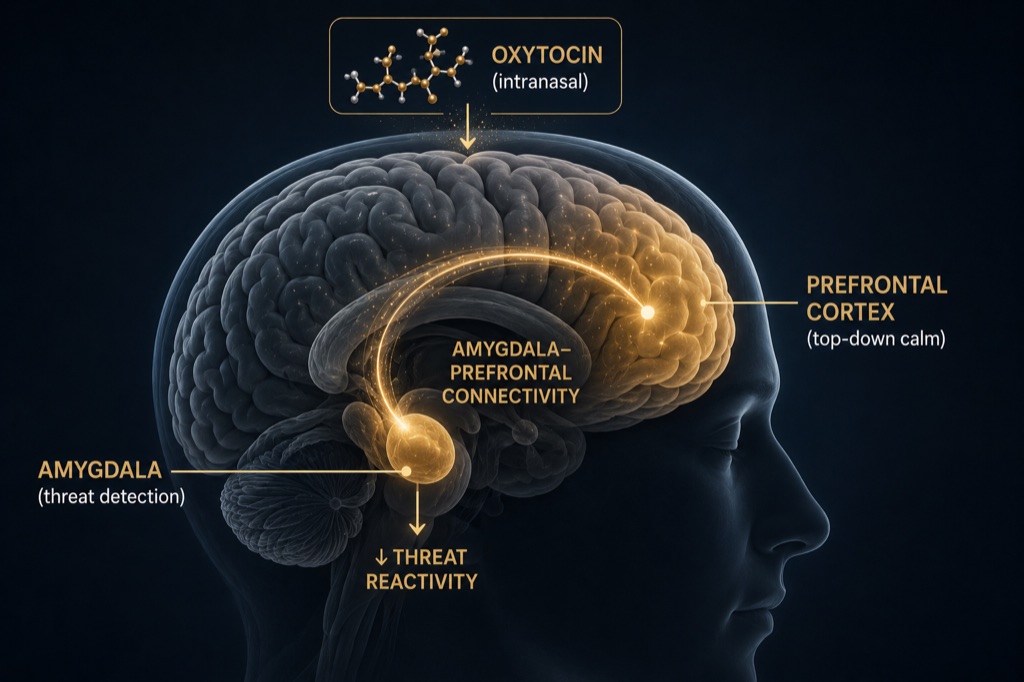
In controlled imaging studies, a single dose of intranasal oxytocin calmed amygdala hyperreactivity to fearful faces and strengthened the brain's top-down "brake."
So why isn't oxytocin already a blockbuster? Because it's context-dependent, which is actually one of the most interesting findings in the field. A 2026 systematic review and meta-analysis found that while oxytocin dampens threat reactivity in many settings, it can be anxiogenic in others — nudging amygdala activity up during the anticipation of unpredictable threat, and producing effects that differ by sex.8 Oxytocin isn't a volume knob that only turns down. It's a context-sensitive dial — and, as we'll see, the context includes your genome. That nuance is precisely why the molecule is a research darling rather than a solved problem: synthetic oxytocin is FDA-approved as Pitocin for labor, and its use for anxiety remains off-label and investigational, powerful in mechanism while still unpredictable in the clinic.
3. Neuropeptide Y — the measurable biology of grit
If Selank is the pharmacist's peptide and oxytocin is the neuroimager's, neuropeptide Y (NPY) is the operator's. It's one of the most abundant peptides in the brain, concentrated in exactly the limbic and brainstem regions that govern fear, and it functions as a natural counter-stress signal — braking corticotropin-releasing factor, the molecule that fires the starting gun on the entire stress cascade.
The most riveting human data on NPY doesn't come from a drug trial. It comes from watching who breaks and who doesn't. In a now-classic series, Charles A. Morgan III and colleagues measured plasma NPY in soldiers enduring brutally realistic survival, evasion, and interrogation training. Those with the biggest NPY surges reported less distress and performed better, and elite Special Forces soldiers mounted larger NPY responses than conventional troops.10 Run the film in reverse, and the picture completes: Renu Sah and colleagues found that combat veterans with PTSD carried strikingly lower concentrations of NPY in their cerebrospinal fluid than healthy controls, a pattern that held across two cohorts from different wars.8,9 The researchers named it, carefully, a *"putative resilience hormone."*9
More NPY in the storm predicts who stays intact. Less NPY marks those the storm broke. That's about as close as stress neuroscience gets to a biomarker of grit.
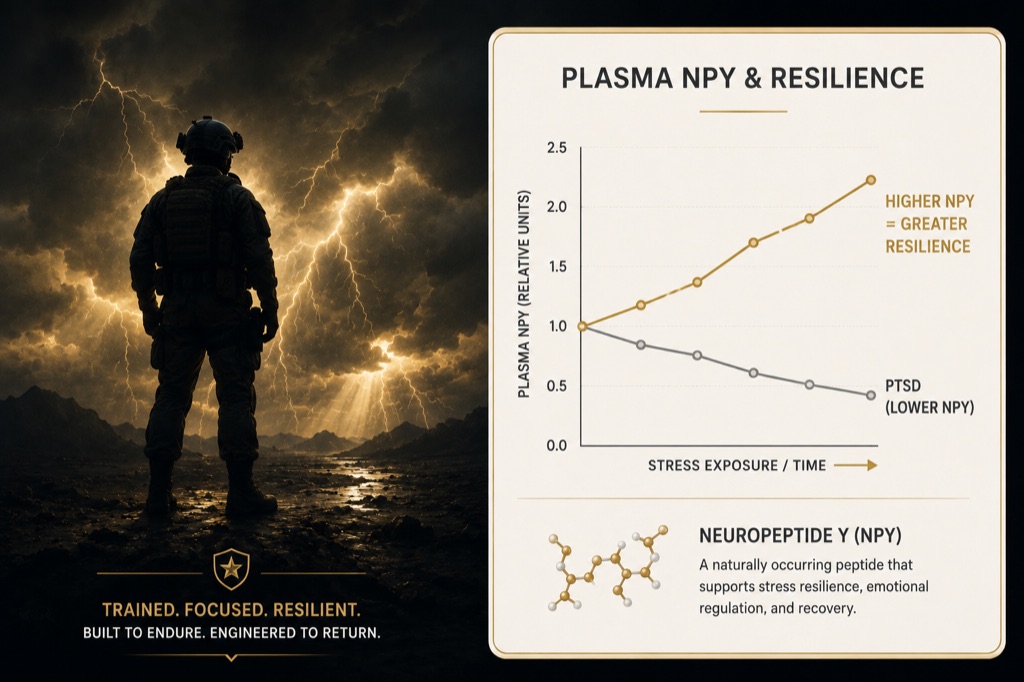
Soldiers who mount bigger NPY surges under extreme stress stay more composed; combat veterans with PTSD carry lower levels. Resilience, it turns out, is partly molecular.
This is Tier 2 evidence at its most persuasive — real human measurements in the highest-stakes conditions we can ethically study, all pointing in the same direction. It's a genuinely inspiring result: resilience isn't only a mindset; it's partly molecular, and molecules can be measured, tracked, and someday targeted. The calibration is simply about direction: it shows that NPY biology tracks resilience and marks NPY as one of the most exciting targets in the field — with intranasal delivery and receptor-focused drugs now the subject of active research rather than a product on a shelf.
4. DSIP — repairing the sleep-stress loop
Delta sleep-inducing peptide (DSIP) was isolated in the 1970s by Swiss researchers from the blood of sleeping rabbits and named for its knack for promoting deep, slow-wave sleep. It's a nine-amino-acid peptide found naturally in the human brain, and its relevance to anxiety runs through one of the most powerful levers in all of longevity: the sleep-stress loop. Disrupted sleep amplifies next-day anxiety and cortisol; anxiety shreds sleep; the cycle feeds itself. A molecule that could interrupt it would be worth a great deal.
Two threads of evidence make DSIP compelling. First, small, controlled sleep studies — in one double-blind trial of 16 chronic insomniacs, intravenous DSIP improved objective sleep efficiency and shortened the time to fall asleep compared with placebo.15 Second, and more directly relevant to stress, DSIP appears to act on the HPA axis itself, lowering basal corticotropin and blunting stress-induced release, which is why some researchers describe it as a genuine "stress-limiting" factor.16 A peptide that improves sleep architecture and quiets the stress axis is hitting two of the biggest longevity levers at once.
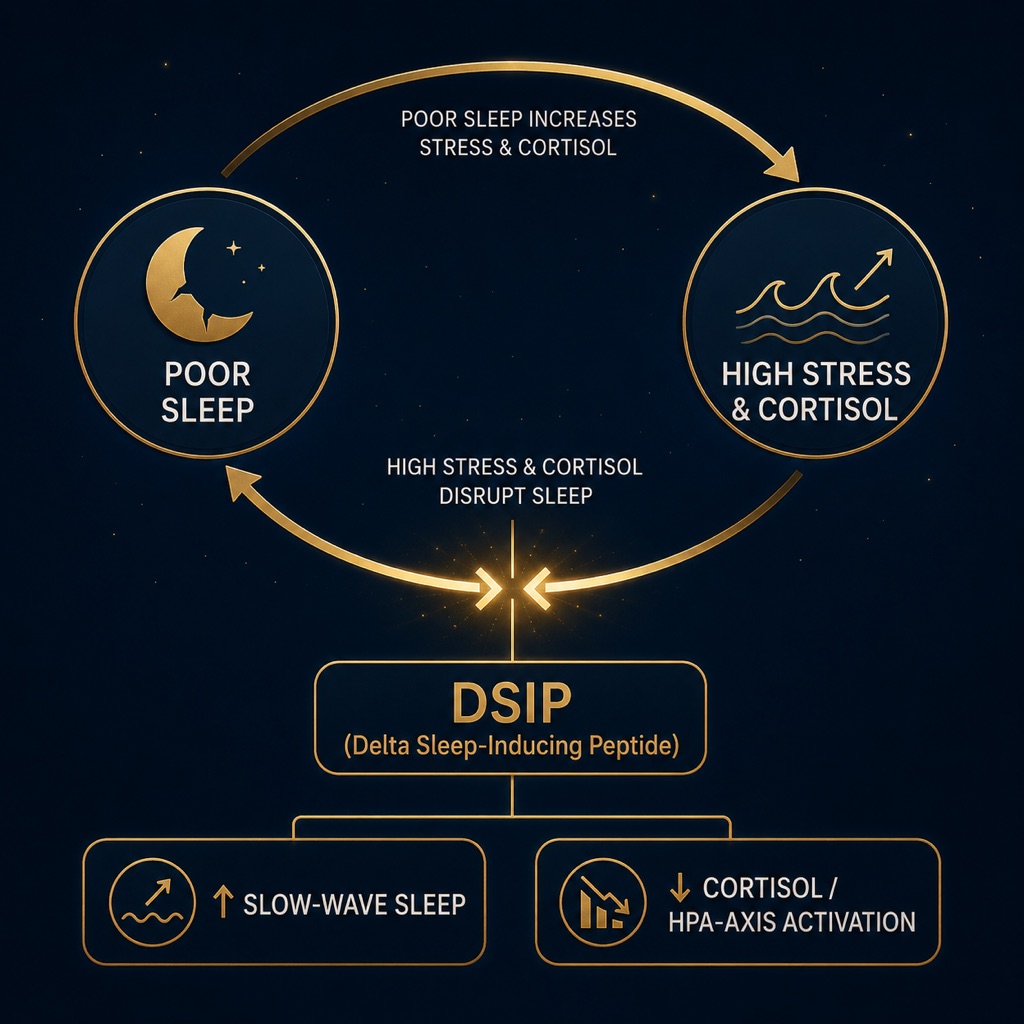
Poor sleep and high stress feed each other. DSIP is studied for its ability to hit both levers at once — deepening slow-wave sleep while calming the stress axis.
The calibration is heavier here: the human studies are older, smaller, and less consistent, and DSIP's delivery challenges have kept it firmly in the research category, with the FDA slating a DSIP-class substance for advisory review rather than approval as of 2026.20 DSIP earns its place on this list because the sleep-stress axis it targets is arguably the single most under-leveraged frontier in stress medicine — a reason for real optimism about where this research is heading, even as the peptide's own chapter is still being written.
5. BPC-157 — calm through the gut, and a story worth telling
BPC-157 — a fifteen-amino-acid peptide derived from a protein found in human gastric juice — is the internet's favorite peptide, celebrated mostly for tissue and gut repair. Its claim on an anxiety list rests on one of the most exciting ideas in modern neuroscience: the gut-brain axis. In animal models, BPC-157 modulates the serotonin, dopamine, and GABA systems, and — remarkably — appears to normalize dopamine signaling in both directions, counteracting both overstimulation and blockade rather than simply pushing one way.17,18 In rodent anxiety and depression paradigms — the shock-probe/burying test, the light/dark box, the forced swim test — it has shown clear anxiolytic-like and antidepressant-like effects, in work led largely by Predrag Sikirić's group at the University of Zagreb.17,18
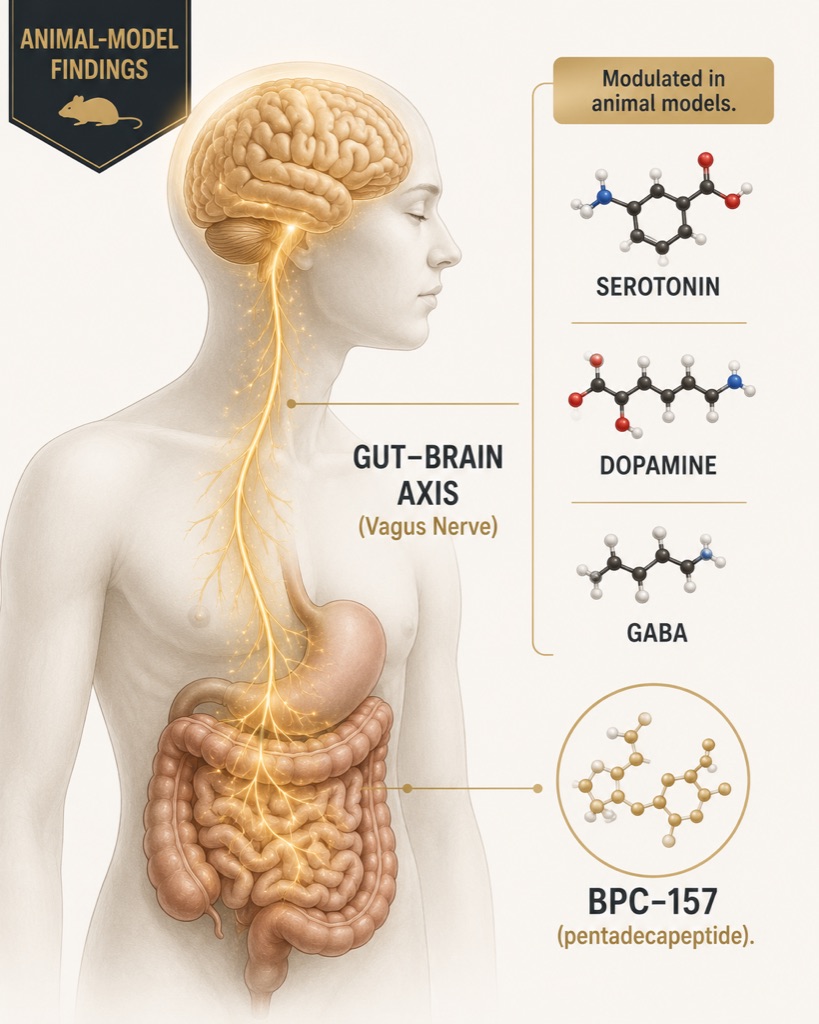
BPC-157's calming potential runs through the gut-brain axis, where — in animal models — it modulates serotonin, dopamine, and GABA. The human mood chapter is still unwritten.
Nothing captures the peptide's grip on the wellness world better than a real story. After a major spinal injury, the clinical nutritionist and health entrepreneur Dr. Josh Axe — founder of one of the most-visited natural-health platforms on the internet — became one of BPC-157's most visible champions, stating publicly that he "truly believe[s] BPC-157 helped save [his] life."24 It's a riveting testimonial, and it's the perfect illustration of both sides of this field: the electrifying real-world enthusiasm, and why that enthusiasm is best paired with data. A single passionate story is how a hypothesis is born — the Sikirić team's rodent findings are how one gets tested — and the human chapter for mood is, candidly, still unwritten.
The calibration on BPC-157 is the firmest in this article, and it's a matter of respect for the reader. There is not yet a published human clinical trial of BPC-157 for any psychiatric condition; all CNS findings are from animal studies. And the sourcing picture demands care: the FDA placed BPC-157 in its Category 2 "significant safety risks" compounding tier in 2023, then removed it in 2026 after the nomination was withdrawn — without moving it to the approved list, leaving it in a genuine gray zone pending further review.19,20,21 Much of the market that couldn't be served legally moved to unregulated vendors, where purity and sterility are unverified — which, for an injectable, is the whole ballgame. BPC-157 is one of the most fascinating molecules in this space. It's also the one that most rewards patience and a qualified guide.
The plot twist: your genome picks the winner
Read those five profiles, and a pattern jumps out. Even for the best-supported peptides, results in real people vary — oxytocin calms one anxious brain and stirs another; NPY armors one soldier and not his squadmate. For years, this looked like noise. It's increasingly clear that much of it is signal, written into individual genetics — and that's not a disappointment. It's the key that unlocks the whole field.
Oxytocin is the cleanest case. Its effects are gated by the oxytocin receptor gene, OXTR, and common variants there shape how strongly a person responds. A meta-analysis of the OXTR rs53576 variant across thousands of participants found that G-allele carriers show higher general sociality than A-allele carriers.12 A second variant, rs2254298, has been linked to differing rates of social anxiety.13 In one elegant gene-by-environment study, an OXTR variant interacted with the presence of social support to determine how much a person's cortisol actually fell under stress — the same supportive friend buffered some genotypes more than others.14 And a randomized trial went further still, reporting that genotype and dosing frequency together helped decide whether intranasal oxytocin worked at all.22 NPY follows the same theme: how much of the peptide a person expresses is partly governed by genetic variation tied to stress coping.11
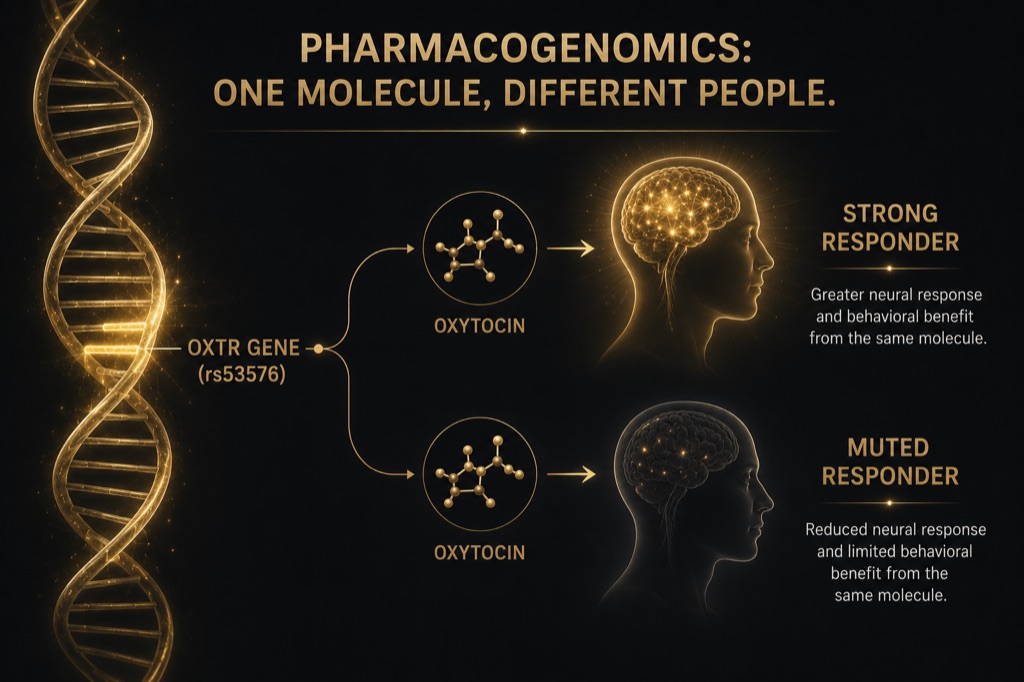
The same peptide can steady one person and do nothing for the next. Common variants in genes like OXTR help explain who responds — which is why genetics belongs at the foundation of any plan.
Flip that around, and it becomes empowering. "Does this peptide work?" is often the wrong question. The right one is: "Does it work for a person with my receptors, my expression levels, my baseline biology?" This is the argument for pharmacogenomic profiling of the kind companies like The Genomics Company are building toward — treating your genetic variants not as trivia but as the foundation layer of any rational plan. If your OXTR genotype predicts a muted response to oxytocin, that's not a reason to double the dose. It's a reason to start somewhere smarter. Genetics is what turns guessing into planning.
From molecules to models: the Digital Twin for Predictive Peptide Performance™
Genetics tells you where to begin; it doesn't tell you whether a chosen path is working next Tuesday. For that, you need a feedback loop — and this is where a menu of molecules becomes a system. The idea behind a Digital Twin for Predictive Peptide Performance™ is simple to say and hard to build: assemble a continuously updated model of one person, feed it enough multi-modal health data to be honest, and use it to predict and verify, rather than hope.
It has three layers. The sensor layer is the raw stream — overnight heart rate variability and resting heart rate from a wearable (our best-validated proxies for autonomic stress load), sleep-stage architecture, respiratory rate, plus periodic panels for cortisol rhythm, inflammatory markers such as high-sensitivity CRP, and hormonal context. The intelligence layer fuses those signals into a single coherent picture and runs predictive modeling to flag what's drifting and what's responding. Underneath both sits the genome, explaining why a given person's dial turns the way it does.
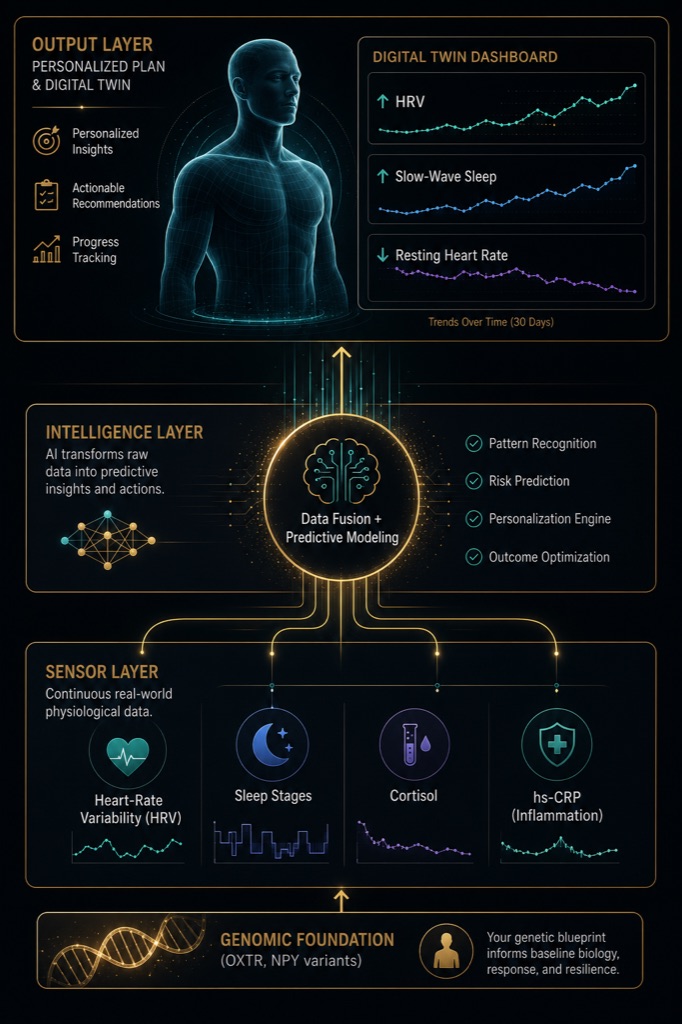
A Digital Twin for Predictive Peptide Performance™ stacks continuous sensor data onto a genomic foundation, then models it — turning "I think I feel calmer" into trends you can verify.
The payoff for anxiety is a clean shift from anecdote to measurement. Instead of "I think I feel calmer," the twin asks sharper questions: Did overnight HRV climb over three weeks? Did slow-wave sleep lengthen? Did the morning cortisol slope steepen back toward a healthy curve? Did resting heart rate drop? When several signals move together, that's a response worth building on. When nothing moves, no amount of enthusiasm should keep a plan alive — and the genome may have predicted that null result in advance. It's the same philosophy elite sport has run on for years: decisions come from a dashboard, not a hunch.
None of this requires waiting for the future, because the measurement infrastructure is already commercial, and it has split into two complementary halves. On the deep-biology side, Function Health built its model around breadth: a membership (around $499/year in 2026) that includes 160+ lab tests annually across organ systems, processed through Quest Diagnostics and reviewed by clinicians, explicitly designed to reveal patterns over time rather than at a single physical.23 Superpower, Lifeforce, and Fountain Life compete in adjacent territory, each pairing comprehensive panels with longitudinal tracking. On the continuous-physiology side, wearables such as WHOOP and Oura have turned HRV, sleep staging, and resting heart rate into daily readouts. Data, in other words, is becoming commoditized; the valuable, unsolved problem is integration — and that's exactly where a serious plan earns its keep, not by adding another molecule but by proving whether the ones in play are doing anything at all.
Why this is the coach's and practitioner's moment
Here's the development that doesn't get enough airtime. As this science accelerates past what the public can parse on its own, the professionals who translate it — performance coaches, dietitians and nutritionists, executive coaches, weight-loss and wellness specialists — are becoming more valuable, not less. The molecules make headlines; the trusted guide makes the difference.
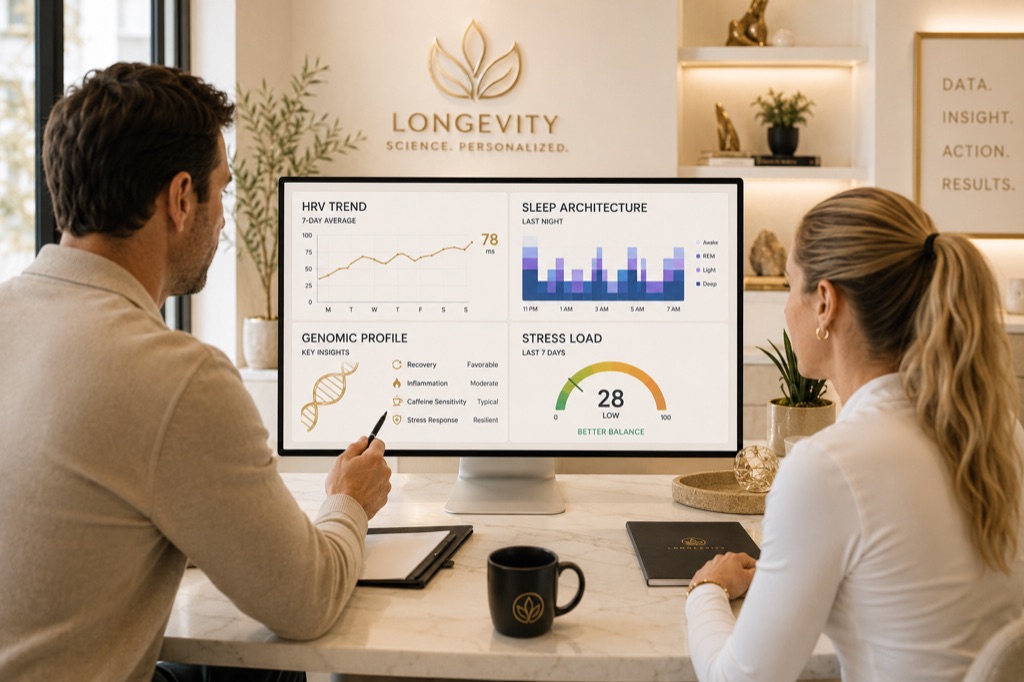
The professionals who can read a genotype, interpret an HRV trend, and tell a proven finding from a promising lead are becoming indispensable guides in the longevity era.
The leverage is real, and it's often lifestyle-shaped. Look again at the five peptides through a coach's eyes, and a pattern emerges: nearly every mechanism maps onto a lever a great Coach / Practitioner already owns. DSIP targets slow-wave sleep — and sleep architecture responds powerfully to light timing, temperature, and wind-down routines. Oxytocin and NPY sit atop the biology of social connection and stress load — the exact terrain of a skilled executive coach or a thoughtfully designed Corporate Wellness Program. BPC-157's whole rationale is the gut-brain axis — squarely in a nutritionist's wheelhouse. A practitioner fluent in peptide science can design drug-free programs that pull the very same molecular levers, and can knowledgeably support clients who pursue medically supervised options — while knowing exactly when to route someone to a qualified physician rather than a research vial.
That fluency is the differentiator. In a market crowded with hot takes, the coach who can explain what an OXTR genotype implies, read a client's HRV trend, or separate a Tier 1 finding from a Tier 3 lead becomes indispensable — and can prove their coaching works with the same digital-twin dashboard the science runs on. This is where deep expertise in peptides, performance, and data compounds into genuine authority. It's also, quietly, one of the better bets a health professional can make on their own future.
Biology matters, but so does behavior
The science of peptides is exciting because it provides researchers with new tools to regulate the nervous system. But biology has never existed in isolation.
A calm nervous system is built from many inputs: consistent sleep, daily movement, strength training, healthy relationships, purpose, time outdoors, stress management, and appropriate medical care when needed.
Experimental therapies may someday become another tool in that toolbox — but they should never replace the foundations that have repeatedly been shown to improve resilience. The goal isn't simply reducing anxiety. The goal is building a nervous system that becomes harder to overwhelm, and finding the tools that can help alleviate the symptoms.
Putting the science to work: how the smart money approaches it
Strip away the noise, and a disciplined, entirely usable framework remains — the way seasoned operators and their advisors actually navigate this terrain.
Begin with the diagnosis, not the molecule. Anxiety has proven effective treatments. Peptides are, at most, an adjunct at the frontier. Rule in the established before reaching for the experimental — it's not caution, it's sequencing.
Let evidence tier set your enthusiasm. Selank and oxytocin carry human data; NPY and DSIP are mechanistic bets with real momentum; BPC-157 for mood is a hypothesis worth watching. Order your interest by the strength of the evidence, not the volume of the testimony.
Get the genetics before the injection. A one-time pharmacogenomic panel can spare you months spent chasing a molecule your receptors were never going to respond to. It's the highest-leverage step most people skip.
Measure a real baseline, then measure the response. A few weeks of wearable data and a lab panel before any change give your digital twin something to compare against. Without a baseline, "it's working" is a story, not a finding.
Insist on legitimate sourcing. The gap between a peptide compounded by a licensed pharmacy, verified by a certificate of analysis, and one shipped from a gray-market vendor is the gap between medicine and a coin flip — and for anything injectable, that's the entire game.
Read the regulatory signal as data. When the FDA flags a substance, that's information too. It rarely means "never." It always means "know exactly what you're doing, and why the experts paused."
The hopeful bottom line
The most exciting thing about the molecules of calm is that we're still early — and early is where the opportunity lives. Selank shows what becomes possible when a neuropeptide actually completes human trials, hinting at a future of anxiety relief without the benzodiazepine tax. Oxytocin has taught us more about the social brain than almost any molecule in history. NPY revealed that resilience is partly measurable — that grit has a biochemistry. DSIP points at the sleep-stress loop, one of longevity's great untapped levers. And BPC-157 carries the gut-brain story from the lab bench toward the clinic someday.
What has truly changed isn't the molecules — several have been studied for decades — but our power to know whether they work for a specific person. Genetics explains the variability that once looked like noise. Continuous sensors turn a feeling into a curve you can inspect. Integration turns scattered readouts into a prediction. That's the real story, and it's an optimistic one: the future of the anxious, striving, high-performing nervous system will be measured, personalized, and planned — not guessed. The people who map their own biology now, and the professionals skilled enough to guide them, will simply make better decisions than everyone else who is still reacting to a symptom or a headline. Calm, it turns out, is becoming engineerable. It just asks you to bring data.
A closing note on care. If anxiety, panic, or persistent low mood is affecting your daily life, please talk to a licensed clinician — this is a solvable problem, and the evidence-based options are real and effective. The frontier science above is meant to inform that conversation, not replace it. This article is not medical advice.
Sign up for FREE daily Longevity Club Workshops, or join the Affiliate Program (pays 20%). Subscribe to the Longevity & Peptide Optimization Newsletter.
About the Authors
Tony Medrano is CEO and co-founder of LongevityPlan.AI, a platform that integrates performance and health data and leverages proprietary Digital Twin for Predictive Peptide Performance™ technology, wearable data, and biomarker data to deliver personalized optimization and longevity recommendations. A 3x technology/AI company CEO with 2 successful exits, Tony has completed 3 Full Ironman Triathlons (140.6 mi) since 2019. He holds degrees from Harvard University, Columbia University, and a JD/MBA from Stanford University, and has worked with the US Olympic Team, the NBA, NFL, MLB, NASA, Google, Microsoft, and Netflix, among others. He also served as a US Navy Officer commanding an emergency response team aboard a destroyer.
Coach Rob Wheeler is a Navy veteran who served 10 years and a former federal police officer with 17 years in law enforcement. He is the founder of BattleFitted, a personal development brand and coaching platform built on the mission of turning pain into progress, and the host of the Battle Harder Podcast. After facing years of PTSD and anxiety following his military and law enforcement service, he rebuilt through mindset work, fitness, and discipline, and now coaches others through their own transformations as a speaker, trainer, and podcast host.
Disclaimer: This article is for educational purposes and is not medical advice, diagnosis, or treatment. Several compounds discussed are not approved by the FDA to treat anxiety, and some are not approved for human use at all. Regulatory status reflects FDA actions as of mid-2026 and may change — verify the current status before acting. If anxiety is affecting your daily life, consult a licensed clinician.
Endnotes
- Zozulya AA, et al. Efficacy and possible mechanisms of action of a new peptide anxiolytic Selank in the therapy of generalized anxiety disorders and neurasthenia. Zh Nevrol Psikhiatr Im S S Korsakova, 2008. Selank vs. medazepam in 62 patients; Hamilton, Zung, and CGI scales.
- Background on Selank's approval in Russia as a nasal spray for GAD and neurasthenia; summarized in peptide pharmacology reviews.
- Kolomin T, Shadrina M, Slominsky P, Limborska S, Myasoedov N, et al. Molecular studies of Selank's mechanism (enkephalin stabilization; serotonergic and BDNF-related pathways). Institute of Molecular Genetics, Russian Academy of Sciences.
- Labuschagne I, Phan KL, et al. Oxytocin attenuates amygdala reactivity to fear in generalized social anxiety disorder. Neuropsychopharmacology, 2010;35(12):2403–2413.
- Gorka SM, Fitzgerald DA, Labuschagne I, Nathan PJ, Phan KL, et al. Oxytocin modulation of amygdala functional connectivity to fearful faces in generalized social anxiety disorder. Neuropsychopharmacology, 2015;40(2):278–286.
- Dodhia S, Hosanagar A, Fitzgerald DA, Phan KL, et al. Modulation of resting-state amygdala-frontal functional connectivity by oxytocin in generalized social anxiety disorder. Neuropsychopharmacology, 2014;39(9):2061–2069.
- van Zuiden M, Frijling JL, Nawijn L, Koch SBJ, et al. Intranasal oxytocin to prevent posttraumatic stress disorder symptoms: a randomized controlled trial in emergency department patients. Biological Psychiatry, 2017;81(12):1030–1040.
- Systematic review and meta-analysis of oxytocin modulation of amygdala responses to emotional stimuli, including context-dependent anxiogenic effects. Neuroscience & Biobehavioral Reviews, 2026.
- Sah R, Ekhator NN, Strawn JR, Geracioti TD, et al. Low cerebrospinal fluid neuropeptide Y concentrations in posttraumatic stress disorder. Biological Psychiatry, 2009;66(7):705–707. (Describes NPY as a "putative resilience hormone.")
- Morgan CA 3rd, et al. Plasma neuropeptide-Y concentrations in humans exposed to military survival training; association with resilience and performance. Biological Psychiatry, 2000–2002 series.
- Schmeltzer SN, Herman JP, Sah R. Neuropeptide Y (NPY) and posttraumatic stress disorder (PTSD): a translational update. Experimental Neurology, 2016 — reviews NPY polymorphisms and stress-coping.
- Li J, et al. Association of oxytocin receptor gene (OXTR) rs53576 polymorphism with sociality: a meta-analysis (24 samples, n≈4,955).
- Review of OXTR polymorphisms (including rs2254298) and social anxiety disorder risk, 2025.
- Chen FS, et al. Common oxytocin receptor gene (OXTR) polymorphism and social support interact to reduce stress in humans. PNAS, 2011;108(50):19937–19942.
- Schneider-Helmert D, et al. Effects of delta sleep-inducing peptide (DSIP) on sleep of chronic insomniac patients: a double-blind study (16 patients). Neuropsychobiology, 1992.
- Review of DSIP HPA-axis effects: decreases basal corticotropin and blocks stress-induced release; "stress-limiting" characterization. Summarized in European Journal of Anaesthesiology review and the DSIP literature.
- Tohyama S, et al. Anxiolytic effect of BPC-157, a gastric pentadecapeptide: shock-probe/burying test and light/dark test. Preclinical (rodent) behavioral study.
- Sikirić P, et al. Stable gastric pentadecapeptide BPC-157 and the central nervous system: modulation of dopaminergic, serotonergic, GABAergic, and nitric-oxide systems (preclinical reviews). Pharmaceuticals and related journals.
- U.S. Food & Drug Administration. "Certain Bulk Drug Substances for Use in Compounding That May Present Significant Safety Risks" (interim 503A bulks list, Category 2). FDA.gov.
- FDA / Pharmacy Compounding Advisory Committee actions on peptide bulk substances, 2024–2026: removal of Selank acetate (2024) and BPC-157/TB-500 (2026) from Category 2 following nomination withdrawals — not additions to the approved list; further review scheduled. FDA notices; industry summaries via Lexology, 2024–2026.
- See refs. 19–20 for BPC-157's 2023 Category 2 placement and subsequent 2026 removal without approval (regulatory gray zone).
- Randomized trial reporting that dose-frequency and OXTR genotype help determine the therapeutic efficacy of intranasal oxytocin. medRxiv / peer-reviewed follow-up, 2020–2021.
- Function Health membership and testing model (160+ annual lab tests; Quest Diagnostics processing; clinician review). functionhealth.com, 2026.
- Axe J. "After a major spinal injury, I truly believe BPC-157 helped save my life" [public statement/video]. Cited in AOSSM/STOP Sports Injury, Sports Medicine Update, "The Boom of Peptides in Sports Medicine," 2026. (Cited as a public testimonial, not clinical evidence.)
Evidence note: References 1–3 and 15–16 derive from older, smaller studies, several of which are outside the U.S. regulatory system; 17–18 are preclinical (animal-only); 24 is a public testimonial. This is stated plainly in the text. Regulatory status (refs 19–21) reflects FDA actions as of mid-2026 and may change at the July 2026 advisory committee review — verify the current status before acting.