Neuroscience
·14 min read
Optimizing Cognitive Performance: The Executive Brain on Peptides
What the science actually says about mental acuity, neuropeptides, and AI-guided cognitive longevity. A skeptic's buyer's guide.
By Tony Medrano, LongevityPlan.AI
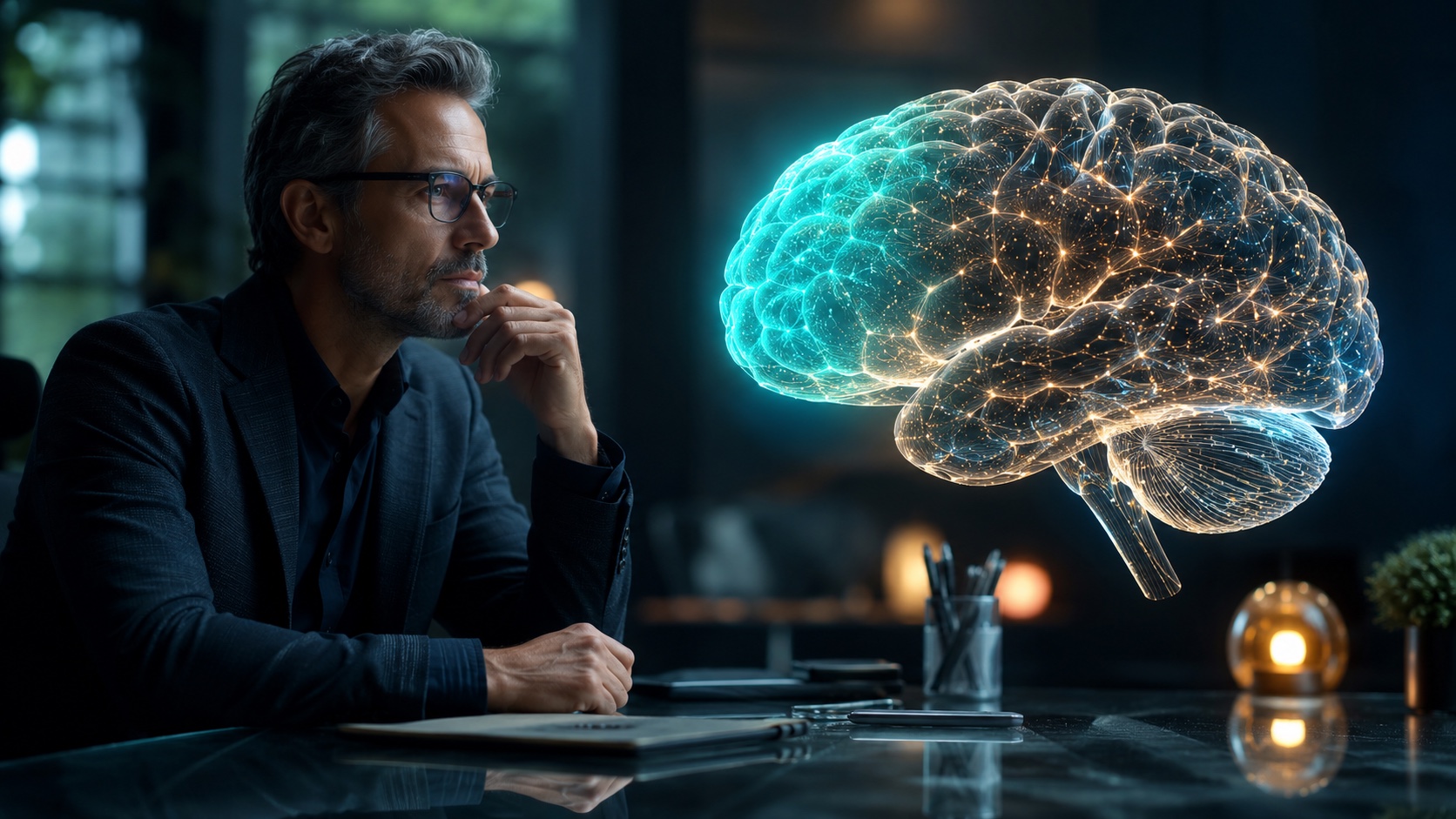
Somewhere around 45, the curve bends. Not dramatically — you still close the deal, still read the room, still beat your kids at chess. But the names take a half-second longer. The deep-work window shrinks. The fourth meeting of the day costs more than the first did a decade ago. This is not failure; it is biology doing exactly what biology does. The question that interests a growing class of high-functioning adults — CEOs, surgeons, masters athletes, the 52-year-old who still wants to learn Mandarin — is whether that curve can be bent back, and on what evidence.
Into that question has rushed a category of molecules called peptides: short chains of amino acids that act as biological signals. The marketing around cognitive peptides has gotten loud, glossy, and frequently untethered from data. This article does the opposite. It walks through what the research genuinely supports, what it merely hints at, and what is being sold well ahead of the evidence — and then asks the more useful question: if you are going to engage with this field at all, how do you do it like a scientist rather than a customer?
Figure 1 · How Neuropeptides and the Prefrontal Cortex Power Executive Focus and Cognitive Longevity
The executive brain runs on chemical signals. As we age, the prefrontal cortex — the seat of focus, judgment, and working memory — is the first region to lose its edge, and the most responsive to targeted intervention.
1. First Principles: What Earns the Word "Nootropic"
The vocabulary matters because most of what is sold as "brain optimization" would not survive the original definition. The term nootropic was coined in 1972 by the Romanian psychologist and chemist Corneliu Giurgea, who had synthesized piracetam at the Belgian firm UCB and found that its pharmacology fit none of the known psychotropic categories.[1] From the Greek noos (mind) and trepein (to bend), the word described something specific. Giurgea set out criteria that a true nootropic should meet: it should enhance learning and memory; it should make those memories more resistant to disruption from insults like hypoxia or shock; it should protect the brain against physical and chemical injury; it should support the brain's higher integrative ("executive") mechanisms; and crucially, it should do all this with very low toxicity and almost none of the side effects of stimulants or sedatives.[2]
Read that list, and you have, in effect, a four-decade-old spec sheet for the longevity field's current obsession. Caffeine fails it (no neuroprotection, real tolerance). Amphetamine fails it badly (the opposite of low-toxicity). The interest in peptides is precisely that, in theory, signaling molecules could hit the harder criteria — plasticity, protection, restoration of deficient function — rather than simply revving the engine. Whether any given peptide actually clears that bar is an empirical question, and the honest answer differs sharply from molecule to molecule.
Giurgea's 1972 criteria are still the most useful filter in the room: a real cognitive enhancer protects and rebuilds, it doesn't just stimulate.
2. The Neuropeptide Foundation, and the Brain Region That Ages First
The idea that peptides govern mood and cognition is not new biohacker folklore; it is settled neuroscience that traces to Candace Pert (1946–2013). As a 26-year-old graduate student at Johns Hopkins in the early 1970s, Pert identified the opiate receptor — the cellular binding site for the brain's own endorphins — and then spent her career at the National Institute of Mental Health mapping how neuropeptides and their receptors form a signaling network linking brain, emotion, and immunity.[3][4] She published more than 250 papers on peptides and receptors. Her popular book Molecules of Emotion (1997) overreached into territory many scientists found unrigorous, and it is fair to separate that later work from the foundational pharmacology. But the core insight holds: the brain runs substantially on peptide signals, and that makes peptides a legitimate place to look for cognitive leverage.
The second foundation is anatomical. The brain region that delivers executive function — working memory, abstract reasoning, judgment, top-down control of attention and impulse — is the prefrontal cortex (PFC), the most recently evolved part of the human brain. It is also the most fragile. The definitive body of work here belongs to Amy Arnsten of Yale, a member of the Kavli Institute of Neuroscience, whose lab showed that the PFC is uniquely and delicately regulated by the catecholamines norepinephrine and dopamine.[5][6]
Arnsten's findings are directly relevant to anyone managing a high-stress career. Her research established what amounts to a "molecular switch": moderate levels of norepinephrine, released under calm, alert conditions, engage high-affinity alpha-2A receptors, thereby strengthening prefrontal network connectivity and sharpening working memory. But high levels released during stress flood low-affinity receptors that actively impair the PFC — which is why "mild, uncontrollable stress can cause a rapid and dramatic loss of prefrontal cognitive abilities," and why prolonged stress remodels prefrontal dendrites.[5] This is not a metaphor for being frazzled. It is a structural change. Arnsten's work translated into two medications now in clinical use — guanfacine (Intuniv) for ADHD and prefrontal disorders, and prazosin for PTSD — a reminder that targeting the chemistry of executive function is a validated therapeutic strategy, not a fringe one.[5][6]
The takeaway for the cognitive-longevity conversation: the executive brain ages and degrades along chemical pathways we can name. That is what makes it, in principle, a target. It is also what makes precision essential, because the PFC follows an inverted-U — too little signal is as bad as too much.
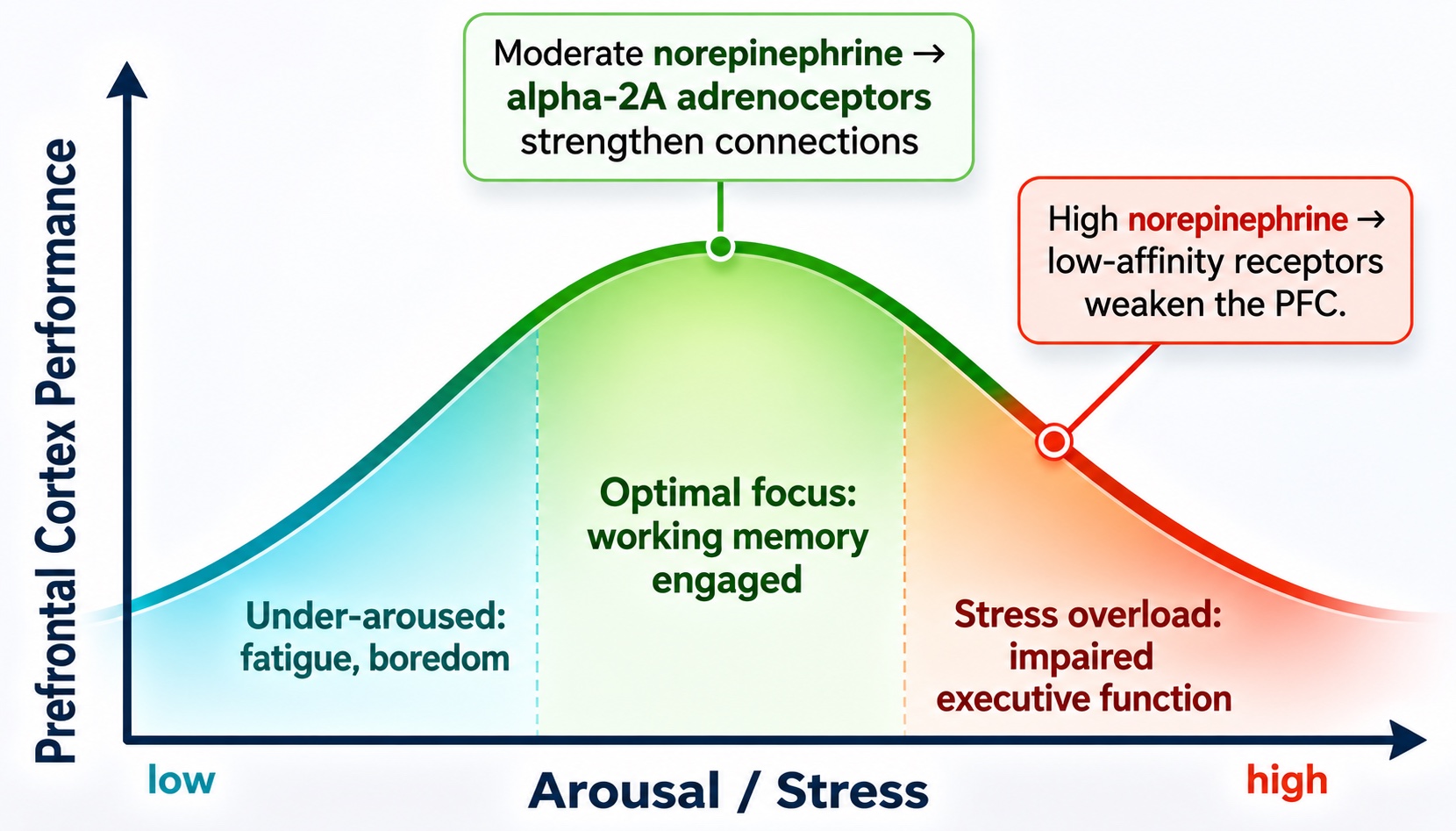
Figure 2 · The Prefrontal Cortex Inverted-U: How Norepinephrine and Dopamine Tune Focus Under Stress
Amy Arnsten's research shows the prefrontal cortex follows an inverted-U — too little arousal dulls focus, the right amount sharpens it, and stress chemistry actively impairs it. More is not better.
3. The Cognitive Peptide Landscape, Graded Honestly
Here is where most articles oversell, and this one will not. The cognitive peptides circulating in clinics and on the gray market sit at very different evidence tiers. Treating them as interchangeable "brain boosters" is the single biggest error in the space.
Semax and Selank: real human data, geographically narrow
Semax and Selank are synthetic peptides developed in Russia, where they are approved and prescribed. Semax is a fragment derived from ACTH that lacks hormonal activity; the research literature associates it with increased brain-derived neurotrophic factor (BDNF) and modulation of dopamine, positioning it in the context of focus, learning, mental energy, and neuroprotection, including studies in ischemic stroke.[7] Selank, derived from the immunomodulatory peptide tuftsin, leans toward GABAergic and serotonergic pathways — an anxiolytic that, unlike benzodiazepines, has been reported to reduce anxiety without sedation or cognitive dulling, and in some studies to improve memory under stress.[7][8]
The honest framing, captured well in recent reviews, is that the problem "is not that there is no human evidence" — it is that much of it is "relatively small, regionally concentrated, and not always published in the large, contemporary trial framework that Western clinicians usually want."[8] Semax is best described as plausible and promising, not conclusively established for cognitive enhancement in healthy adults. That is a meaningful distinction the skeptical executive should hold onto.
Cerebrolysin: the most clinically used, for impairment rather than enhancement
Cerebrolysin is a mixture of low-molecular-weight neuropeptides and amino acids derived from porcine brain tissue, delivering neurotrophic signals. It has the longest clinical track record of this group, used in parts of Europe and Asia for cognitive decline, mild cognitive impairment, and stroke recovery, with trials reporting cognitive benefit in impaired populations.[9] Note the population: the case for Cerebrolysin is strongest in deficit states, which is consistent with Giurgea's original observation that nootropic effects show up most clearly under disturbed neural metabolism — aging, hypoxia, injury — rather than in an already-optimized 30-year-old.
Dihexa: the cautionary case study
Dihexa deserves a full paragraph precisely because it is the most over-hyped and the most instructive. It is a metabolically stable analog of angiotensin IV, developed at Washington State University by Joseph Harding and John Wright, engineered to cross the blood-brain barrier and act on the hepatocyte growth factor (HGF)/c-Met system to drive synaptogenesis — the formation of new synaptic connections.[10][11] You will see it marketed as "ten million times more potent than BDNF." That figure is real but narrow: it refers to a molar-potency comparison for inducing synaptogenesis in a specific hippocampal slice assay, not a claim about real-world cognitive effects in humans.[11][12]
And here is what the vendors omit. The published evidence on dihexa is entirely preclinical — rodents and cultured neurons. The foundational biochemistry paper proposing direct HGF binding was retracted, so even the mechanism is a working hypothesis rather than a settled fact. There is no published human efficacy data, no published human safety profile, and no FDA approval for any indication.[10][12] A compound that potently rewires synaptic architecture with zero human safety data is not a nootropic in Giurgea's sense; it is an open research question being sold as a finished product. For a buyer's guide, dihexa is less a recommendation than a litmus test for the quality of whoever is selling it to you.
| Peptide | Proposed mechanism | Strongest evidence | Honest status |
|---|---|---|---|
| Semax | ↑ BDNF, dopaminergic modulation | Human studies (attention, stroke), mostly Russian | Promising; not established for healthy enhancement |
| Selank | GABA / serotonin modulation | Human anxiety trials vs. benzodiazepine comparators | Promising anxiolytic; cognitive data thinner |
| Cerebrolysin | Neurotrophic peptide mixture | Clinical trials in MCI, dementia, and stroke recovery | Best evidence — in deficit states, not enhancement |
| Dihexa | HGF/c-Met → synaptogenesis | Preclinical only (rodents, cell culture) | No human data; foundational paper retracted; not FDA-approved |
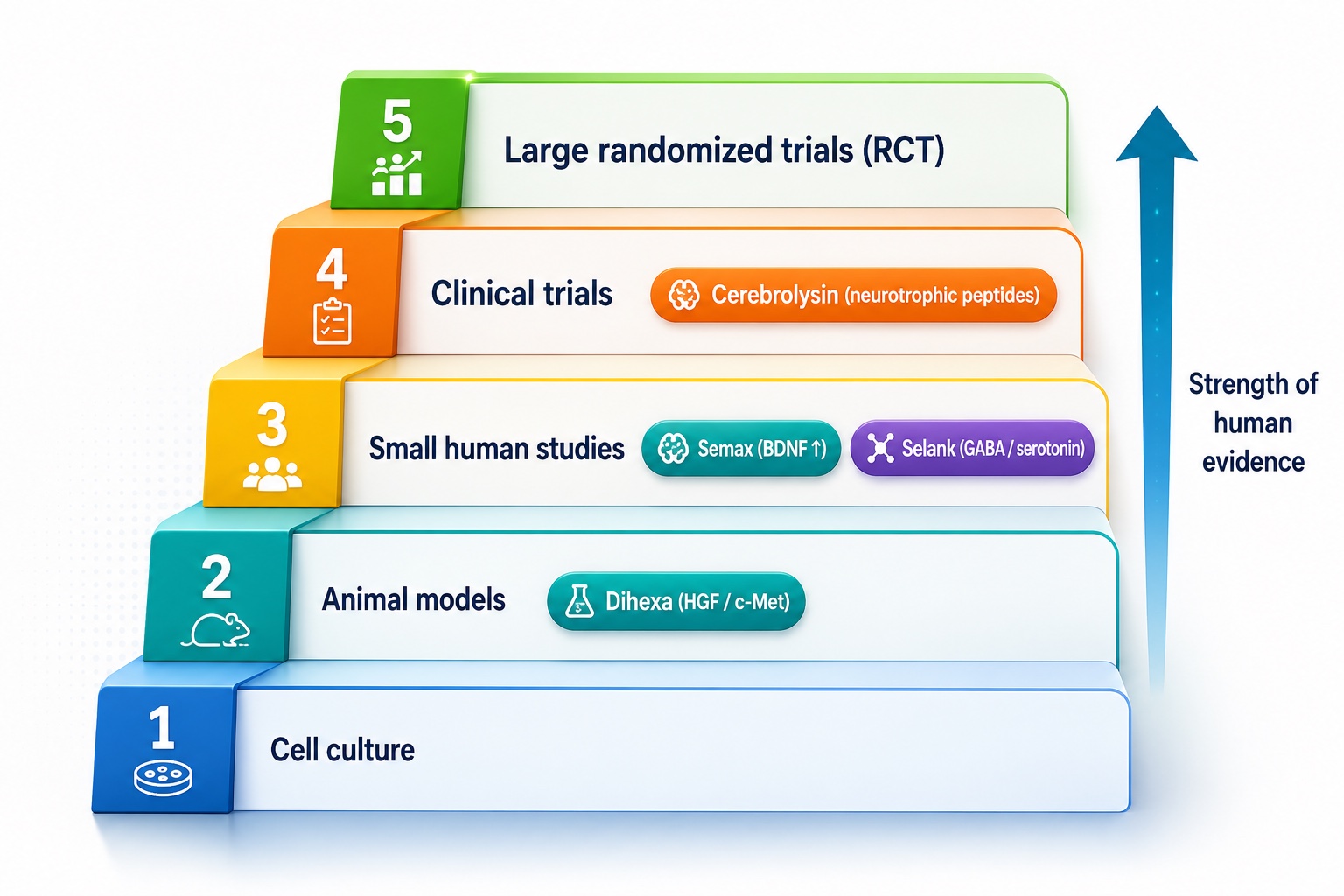
Figure 3 · Cognitive Peptides Ranked by Evidence: Semax, Selank, Cerebrolysin and Dihexa
Not all "brain peptides" are created equal. Placing each on the rung its data actually supports separates clinically grounded options from promising-but-preclinical ones — the single most useful filter for a skeptical buyer.
4. The Mitochondrial Frontier: When Your Cell's Power Plants Talk to Your Brain
The most scientifically exciting development in this field is not a stronger stimulant peptide. It is the discovery that mitochondria — the organelles we were taught only make energy — encode their own tiny signaling peptides that travel the body and influence aging, metabolism, and brain function. The field's founder is Pinchas Cohen, Dean of the USC Leonard Davis School of Gerontology, who has published more than 350 papers and pioneered what he calls mitochondrial microproteins.[13][14]
Cohen's lab discovered humanin (a neuroprotective peptide studied in models of Alzheimer's), MOTS-c (a regulator of metabolism and exercise response, identified in 2012), and, more recently, SHLP family peptides, SHMOOSE, and MASL.[14] These are not gray-market injectables; they are endogenous human signaling molecules whose biology is being mapped in real time. The relevance to cognition is direct: the brain is the most energy-hungry organ in the body, mitochondrial decline tracks with cognitive aging, and a peptide like humanin sits at the intersection of energy metabolism and neuroprotection.
The corporate history here is a useful object lesson in reading the longevity market critically. Cohen co-founded CohBar, which spent years mining the mitochondrial genome and advancing mitochondrial-derived peptide candidates toward the clinic. But CohBar did not become a longevity powerhouse — in 2024, it merged into TuHURA Biosciences and pivoted entirely to oncology, its legacy mitochondrial assets spun off.[15] The science was real; the company, as a standalone peptide-longevity play, did not survive the capital markets. Cohen's newer venture, the precision-medicine biotech MENTSH Therapeutics, carries the work forward, and in April 2025 he joined the scientific advisory board of Niagen Bioscience (the NAD+ company formerly known as ChromaDex), whose CEO Rob Fried described the appointment as a chance to "learn from one of the great minds in mitochondrial and longevity research."[14] The lesson for buyers: promising biology and a durable product are different things, and the gap between them is where a lot of money and hope get lost.
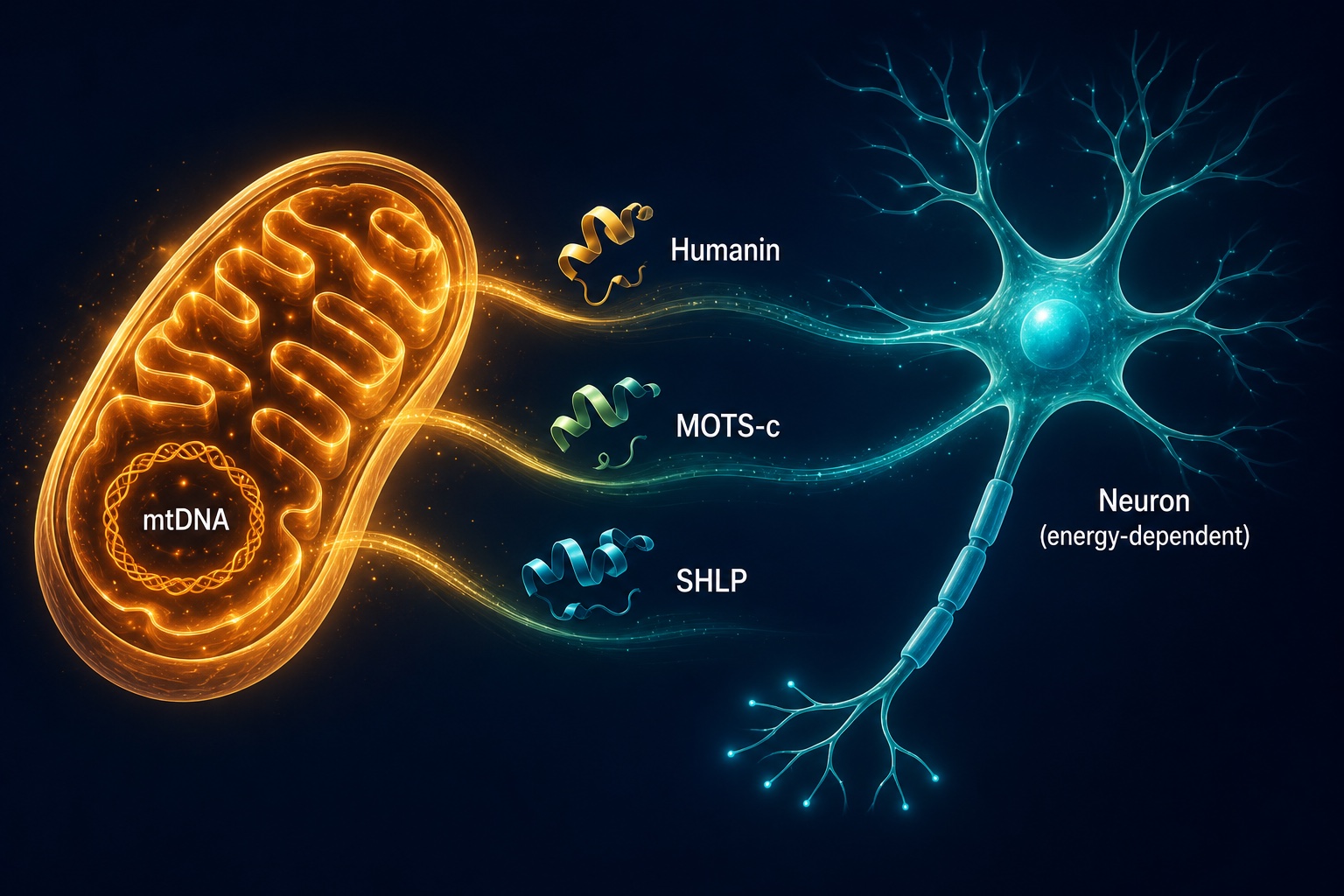
Figure 4 · Mitochondrial-Derived Peptides: How Humanin and MOTS-c Signal From Cell to Brain
Pinchas Cohen's lab showed mitochondria do more than make energy — they encode tiny signaling peptides like humanin and MOTS-c that travel the body and may protect the energy-hungry aging brain.
5. Why "What Works for Him" Is the Wrong Question
Notice the pattern across sections 3 and 4: the same peptide helps most in a deficit state and does little in an optimized one; the PFC follows an inverted-U where more is not better; mitochondrial signaling varies with age, fitness, and genetics. The unifying scientific fact is variation. Two 50-year-old executives with identical calendars can have opposite responses to the same intervention because their baseline biology differs — catecholamine tone, BDNF expression, mitochondrial function, sleep architecture, and inflammatory load.
This is the entire intellectual case for measurement-first longevity, and it is the principle behind the data-driven approach that figures like Eric Topol and Peter Attia have pushed into the mainstream, and that elite programs — from Olympic sport science to NASA human-performance research — have used for years: you do not guess, you instrument. In the cognitive-peptide context, that means establishing a quantified baseline before intervening and re-measuring after, so that "I feel sharper" becomes "working-memory throughput rose, resting heart-rate variability improved, inflammatory markers fell." Without measurement, peptide use is indistinguishable from an expensive placebo with real regulatory and safety risks. With it, you at least know whether you are on the up-slope or the down-slope of that inverted-U.
The strongest argument against the one-size-fits-all peptide protocol is the same as the argument for personalized medicine: the variance between people is greater than the average effect.
6. The Machines Are Now Designing the Molecules
If the first half of this story is biology, the second half is computation — and this is where the pace has become genuinely startling. Peptide design used to be slow, artisanal medicinal chemistry. Generative AI has compressed it. Insilico Medicine, a clinical-stage biotech built on generative AI, reported that its Biology42 "Generative Biologics" platform designed more than 5,000 novel peptide molecules targeting the GLP-1 receptor in 72 hours; screening the top 20 candidates yielded 14 with biological activity, three of which at single-digit nanomolar potency.[16][17]
That is not a one-off demo. Insilico's small-molecule program produced Rentosertib (formerly ISM001-055), reported as the first drug with both a novel AI-discovered target and a novel AI-designed structure to reach Phase IIa, with results published in Nature Medicine; its President, Alex Aliper has described the platform as designed to "create potent, functional biologics from scratch, rapidly and with high precision."[17][18] The broader field is consolidating fast: the Recursion–Exscientia merger fused phenomic screening with automated chemistry, Alphabet's Isomorphic Labs is moving AlphaFold-powered candidates toward trials, and pharma majors including Sanofi have signed AI-discovery deals worth more than a billion dollars apiece.[16][19]
For cognitive peptides specifically, this matters because the historical bottleneck was never imagination — it was generating stable, brain-penetrant, selective molecules and weeding out the toxic ones. That is exactly the bottleneck that generative models, structure prediction, and ADMET (absorption, distribution, metabolism, excretion, toxicity) prediction are built to widen. The next generation of neuropeptides will increasingly be designed in silico before they are ever synthesized.
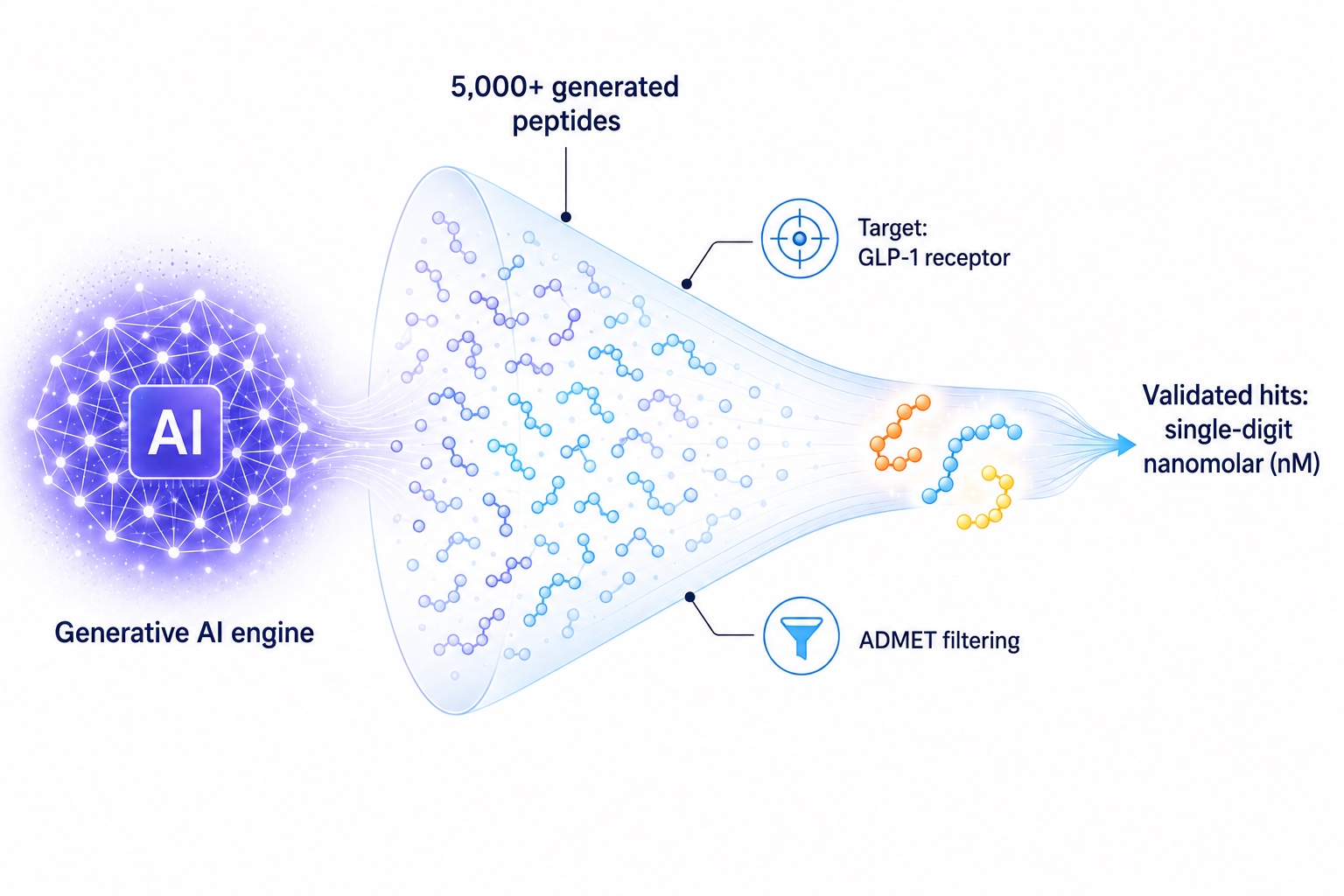
Figure 5 · Generative AI Peptide Design: From Thousands of Candidates to Nanomolar Hits
Generative AI now designs peptides in days, not years. Insilico Medicine's platform produced 5,000+ GLP-1-receptor peptide candidates in 72 hours — a glimpse of how the next generation of neuropeptides will be born.
7. From Molecule to Person: The Digital Twin for Predictive Peptide Performance™
Designing a better molecule is only half the equation. The other half — the part that actually protects an individual — is predicting how your physiology will respond before you intervene, and tracking the response after. This is the role of a Digital Twin for Predictive Peptide Performance™: a continuously updated computational model of an individual, used to simulate and monitor an intervention rather than to discover it by trial and error on a live human.
Conceptually, it has three parts. The sensor layer is the stream of measurements — wearables for sleep, heart rate variability, and recovery; periodic blood panels for BDNF-adjacent, metabolic, hormonal, and inflammatory markers; and cognitive testing for working memory and processing speed. The intelligence layer fuses that multi-modal health data into a coherent model of the person, and applies predictive modeling to estimate where on the inverted-U a given protocol would place them. A related construct, the Cardiorespiratory Digital Twin™, does the same for oxygen transport and cardiovascular capacity — the substrate that ultimately fuels the energy-hungry brain.
The practical payoff is the relationship between the two humans in the loop. A Coach / Practitioner uses the twin to reason about an intervention — not "this peptide is good," but "given this person's catecholamine tone, sleep debt, and inflammatory baseline, here is the predicted response and the markers that will tell us within weeks whether to continue, adjust, or stop." The Athlete / Patient gets a feedback loop instead of a guess. As the model accumulates real outcomes, the predictions sharpen — the AI-powered coaching improvements that turn a static protocol into an adaptive one. This is also, not incidentally, the distinction Medrano has drawn repeatedly across this newsletter between a digital companion that merely chats and a digital twin that actually models you: the twin is accountable to your data.
It is worth stating the limit plainly, because credibility requires it: a digital twin does not make an unproven peptide safe or effective. What it does is convert a blind bet into a monitored experiment with a kill-switch — which, for anyone determined to engage with emerging molecules, is the difference between recklessness and rigor.
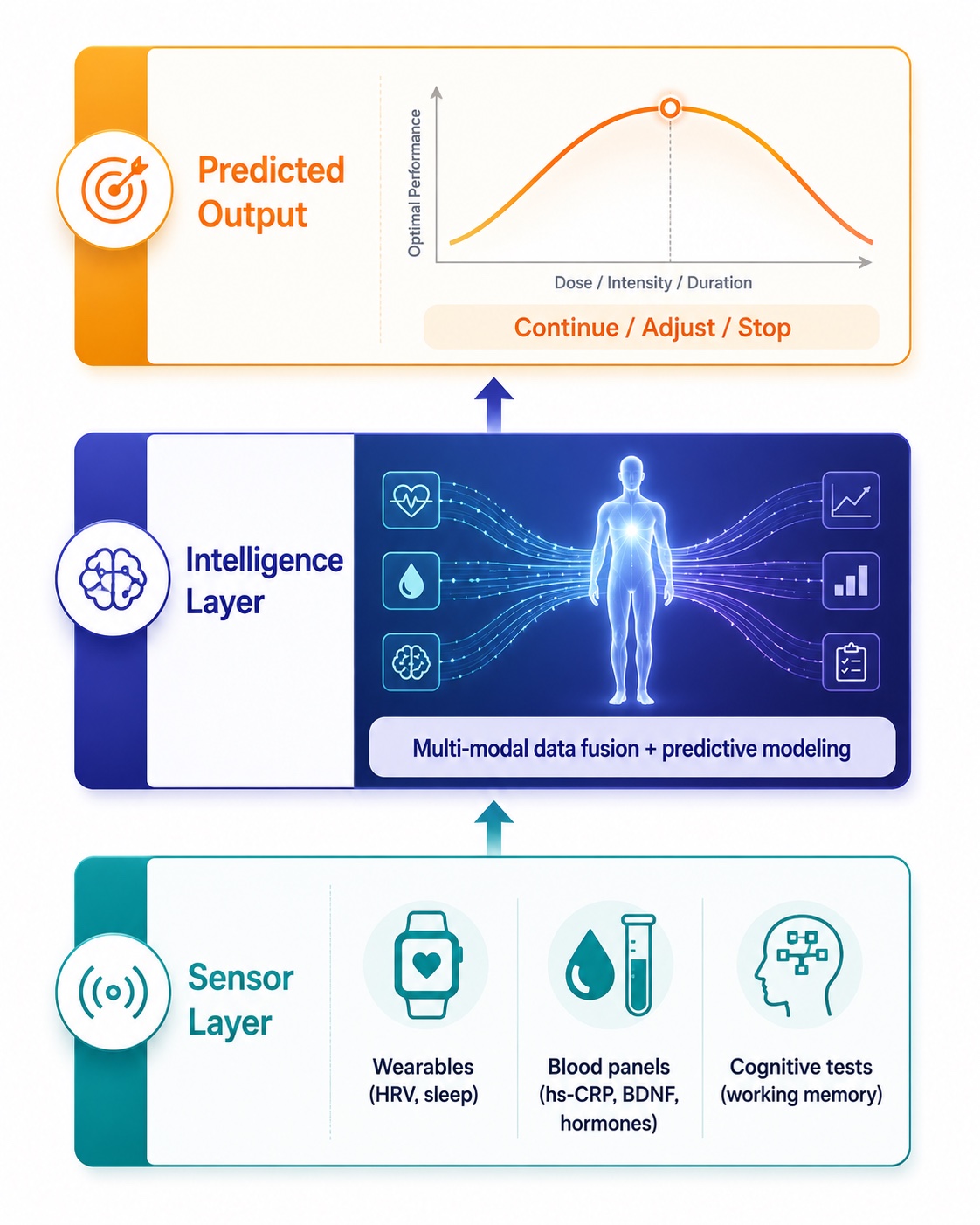
Figure 6 · The Digital Twin for Predictive Peptide Performance: Sensor, Intelligence, and Prediction Layers
A digital twin turns a blind bet into a monitored experiment — fusing wearables, labs, and cognitive models that predict how your physiology will respond, and tells you when to continue, adjust, or stop.
8. How the Market Actually Sells This — and How to Read It
The consumer-facing longevity industry has, in the last three years, organized itself around a single idea: longitudinal biomarker testing, the premise that measuring biological signals over time catches problems early and guides optimization. The leading platforms make instructive contrasts.
Function Health (founded 2021–2022, Austin) has emerged as the depth leader, offering 160+ lab biomarkers on a membership model with clinician-reviewed insights for roughly $365/year; it raised a $53M Series A led by Andreessen Horowitz's Bio + Health practice in 2024 and a $298M Series B in November 2025 — a signal of how much capital believes in measurement-first health.[20][21] Superpower (founded 2023, Los Angeles) competes on price and software, offering 100+ biomarkers near $199/year with stronger AI tooling, a care team, and prescription access.[21][22] Lifeforce takes the clinician-led route — quarterly testing, physician interpretation, and prescription pathways aimed squarely at midlife performance and hormonal optimization.[21] The category matured enough to produce its first major lawsuit: in January 2026, Function Health sued Superpower over allegedly deceptive advertising, a dispute that turned, revealingly, on the question of what even counts as a "biomarker."[20]
| Platform | Founded | Approach | Best for |
|---|---|---|---|
| Function Health | 2021–22 | 160+ biomarkers, biannual, clinician-reviewed dashboard | Maximum diagnostic depth |
| Superpower | 2023 | 100+ biomarkers, AI tooling, care team, Rx access | Software, price, prescriptions |
| Lifeforce | ~2020 | Clinician-led, quarterly, hormonal/performance focus | Physician-guided midlife optimization |
The strategic point for a reader evaluating cognitive peptides: these companies have solved the measurement half of the equation and are racing on price and panel size. Almost none of them close the loop into predictive, individualized modeling of a specific intervention — the digital-twin layer. That gap is where the next phase of the market lives, and where data, rather than panel count, becomes the moat. LongevityPlan.AI's thesis sits in exactly that gap: testing tells you where you are; a twin tells you what to do next and whether it worked.
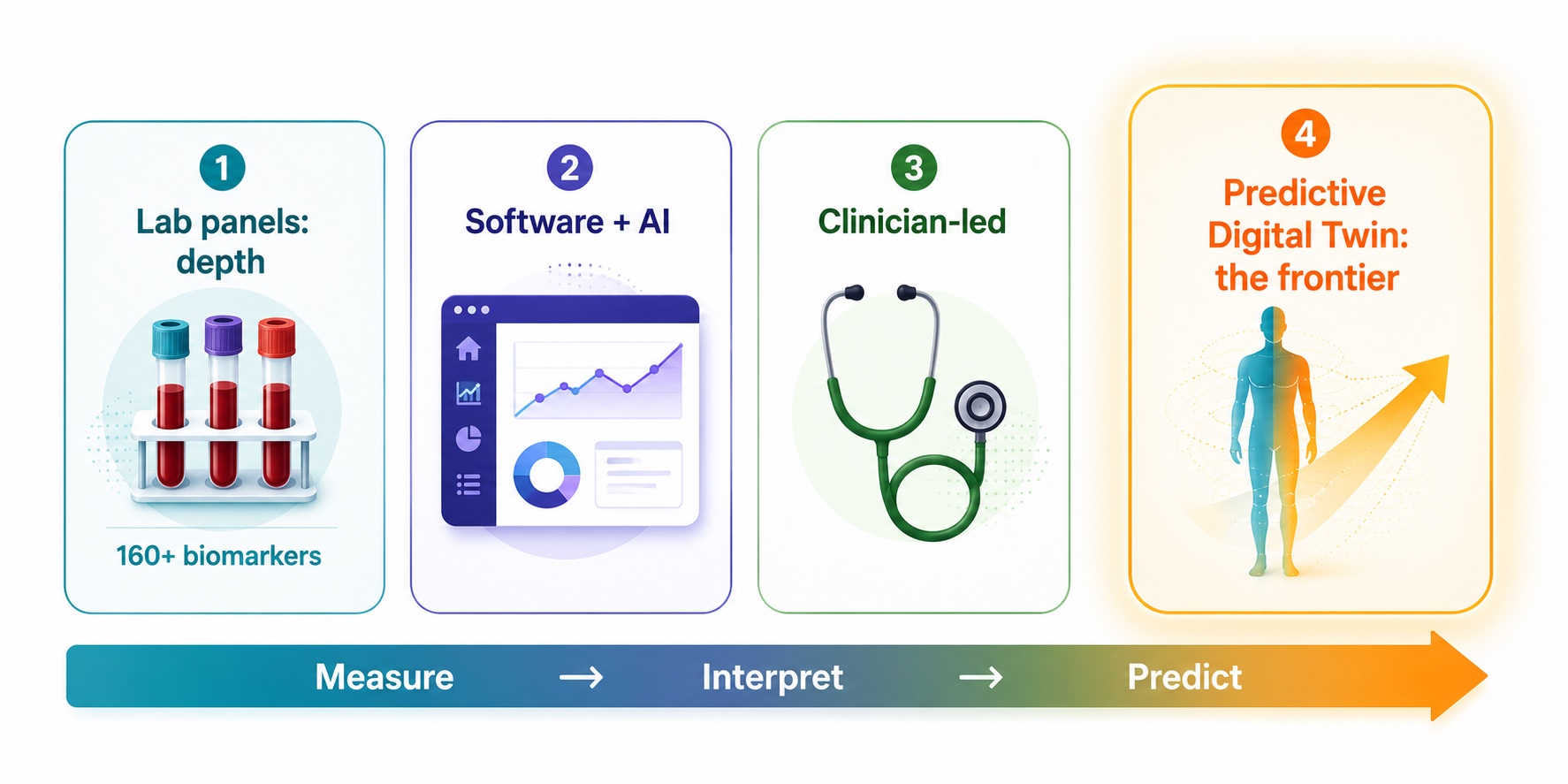
Figure 7 · The Longevity Testing Market: From Biomarker Panels to Predictive Digital Twins
Today's leading platforms compete on panel depth, software, and clinician access — but almost none close the loop into predictive, individualized modeling. That open frontier is where data, not biomarker count, becomes the moat.
9. A Skeptic's Operating Manual
If you have read this far, you are probably the kind of person who will look into this regardless of the disclaimers. So here is how to do it without becoming a cautionary tale — a practical frame rather than a protocol, because protocols belong with a qualified clinician, not in a newsletter.
Measure before you move. A baseline you can't quantify is a result you can't interpret. Establish cognitive, metabolic, inflammatory, and recovery markers first. Respect the regulatory reality. Most cognitive peptides are not FDA-approved for enhancement; many circulate as "research chemicals" of unverified purity, which is its own risk independent of the molecule's biology. Legitimate Peptide Therapy happens through licensed clinicians and compounding pathways, not unmarked vials. Match the tool to the deficit. The evidence is consistently strongest in deficit states; if your sleep, training, and stress are a mess, fixing those will outperform any peptide and is a prerequisite, not an alternative. Put a human in the loop. A Coach / Practitioner working from your data is the difference between a monitored experiment and a gamble. Build the plan, then pressure-test it. A coherent Peptide Longevity Plan™ specifies the marker that would tell you to stop, not just the one you hope improves.
For organizations, the same logic scales. A measurement-first Corporate Wellness Program that quantifies cognitive load, recovery, and stress across a leadership team will extract more durable performance than any supplement perk — and the social layer of a Longevity Club, where peers compare data and decisions rather than anecdotes, tends to keep people honest about what is actually working.
10. The Bottom Line
Strip away the marketing, and the picture is genuinely encouraging, just not in the way the loudest vendors claim. Neuroscience is real: peptides govern executive function (Pert, Arnsten), mitochondria signal to the aging brain (Cohen), and AI has begun designing better neuropeptides faster than humans ever could (Insilico and peers). The clinical reality is more sober: Cerebrolysin has the best human data, mainly in deficit states; Semax and Selank are promising but have been studied only regionally; dihexa is preclinical, with a retracted foundational paper and no human safety data; and none is a validated enhancer for a healthy, high-functioning adult.
That honesty is not a reason to disengage — it is the reason to engage carefully. The defensible position is not "peptides will make you smarter." It is "the chemistry of executive function is targetable, the variation between individuals is the whole game, and the responsible way to explore an emerging molecule is to instrument yourself, model the prediction, and watch the data with a clinician's discipline." Bend the curve if you can. But measure the bend.
The future of cognitive longevity will not belong to whoever has the strongest peptide. It will belong to whoever measures most honestly.
Endnotes & Sources
- Giurgea, C.E. "The nootropic concept and its prospective implications." Drug Development Research, 1982; 2:441–446.
- Giurgea's five criteria for nootropics (learning/memory enhancement, resistance to disruption, neuroprotection, support of higher integrative mechanisms, low toxicity). Summarized in the nootropic literature; see also Springer, "New Pharmacological Perspectives on Nootropic Drugs."
- Pert, C.B., obituary and scientific tribute, Neuropsychopharmacology (Nature), 2013 — discovery of the opiate receptor; neuropeptide "psychosomatic network" hypothesis (J Immunol, 1985).
- Candace Pert (1946–2013), biography and career at NIH/NIMH; Molecules of Emotion (1997). Boston.com / Washington Post obituary, Sept. 2013.
- Arnsten, A.F.T. "Stress signalling pathways that impair prefrontal cortex structure and function." Nature Reviews Neuroscience, 2009 (PMC2907136).
- Arnsten, A.F.T. "Guanfacine's mechanism of action in treating prefrontal cortical disorders." PubMed 33075480; Yale School of Medicine faculty profile (Kavli Institute).
- Mechanistic profiles of Semax (BDNF, dopaminergic) and Selank (tuftsin-derived; GABA/serotonin); see Dergunova & Filippenkov; Kolomin et al. (review summaries).
- "Semax vs Selank: The Science Behind These Nootropic Peptides," Meto blog, 2026 — evidence is "small, regionally concentrated"; Semax "plausible and promising, but not conclusively established."
- Cerebrolysin in mild cognitive impairment and stroke recovery — clinical-use summary; neuropeptide mixture delivering neurotrophic signals.
- McCoy, A.T., et al. "Evaluation of metabolically stabilized angiotensin IV analogs as procognitive/antidementia agents." J Pharmacol Exp Ther, 2013 (PMID 23055539). Dihexa developed at Washington State University (Harding/Wright).
- "The procognitive and synaptogenic effects of angiotensin IV-derived peptides are dependent on activation of the HGF/c-Met system." PubMed 25187433.
- Dihexa evidence summary — preclinical only; foundational HGF-binding paper retracted; no published human safety/efficacy data; not FDA-approved (PeptideInsight; Superpower Guides, 2026).
- Pinchas Cohen, M.D., CV — Dean, USC Leonard Davis School of Gerontology; 350+ publications; founder of CohBar and MENTSH Therapeutics.
- "Niagen Bioscience Welcomes Dr. Pinchas Cohen to Scientific Advisory Board," BusinessWire, April 29, 2025 — discoveries of MOTS-c, SHLP, SHMOOSE, MASL; CEO Rob Fried quotation.
- CohBar / Morphogenesis merger into TuHURA Biosciences (2024 restructuring; pivot to immuno-oncology). BioSpace / FierceBiotech, 2023–2024; CohBar legacy mitochondrial-derived peptide program (MOTS-c, discovered 2012).
- "Insilico showcases generative biologics engine in 72-hour peptide design targeting GLP1R," Insilico Medicine / EurekAlert, Oct. 2025 — 5,000+ peptides generated; 14 of 20 screened candidates active.
- Insilico Medicine 2025 annual results — Biology42 Generative Biologics; Alex Aliper (Co-Founder & President) on AI-designed biologics.
- Rentosertib (ISM001-055): first generative-AI drug with novel AI-discovered target and AI-designed structure to reach Phase IIa; results in Nature Medicine (2025) and Nature Biotechnology (2024).
- "Leading AI-driven drug discovery platforms: 2025 landscape," ScienceDirect, Nov. 2025 — Recursion–Exscientia merger; Insilico Phase IIa in IPF; Sanofi/Insilico ~$1.2B collaboration; Isomorphic Labs/AlphaFold.
- "Function Health Sues Superpower Health Over Allegedly Deceptive Advertisements," ArentFox Schiff, 2026 — Function founded 2021; $298M Series B (Nov. 2025); longitudinal biomarker testing overview.
- "Function Health vs Superpower vs InsideTracker vs Lifeforce," Fin vs Fin / CB Insights / Versus.care, 2026 — biomarker counts, pricing, and positioning.
- Function Health $53M Series A led by Andreessen Horowitz (a16z) Bio + Health, June 2024; 150,000+ members; CB Insights company profile.
#Longevity #Healthspan #CognitiveHealth #Peptides #Nootropics #PrecisionMedicine #DigitalTwin #PreventiveMedicine #BrainHealth #ExecutivePerformance #Neuroscience #AIinHealthcare #Biohacking #MitochondrialHealth #LongevityPlanAI
This article is for educational and informational purposes and is not medical advice. The author is not a physician. Peptides discussed are largely not FDA-approved for cognitive enhancement; several are unapproved or research-use only. Consult a licensed clinician before considering any peptide therapy. Sensitive-topic note: discussions of cognitive decline and brain health can be personal — speak with a qualified professional for individualized guidance.
Earn while you share. Join the LongevityPlan Affiliate Program and earn 20% on every referral.