Sleep
·3 min read
Sleep and Longevity
Does How You Sleep Drive Your Healthspan?
By Tony Medrano, CEO
When Eight Sleep's CEO Matteo Franceschetti announced in August 2025 that his company had raised $100 million to develop the world's first "Sleep Agent"—an AI system creating thousands of digital twins to predict and optimize recovery—he wasn't just talking about better rest. He was describing a fundamental shift in how we approach one of the most powerful longevity interventions available: sleep.
Yet here's what should keep every CEO, athlete, and longevity-focused individual awake (ironically): While we've spent decades optimizing diet and exercise, groundbreaking research from 2024 reveals that sleep regularity—not duration—is the stronger predictor of mortality risk. A landmark Oxford Academic study tracking over 60,000 UK Biobank participants found that individuals with highly regular sleep patterns showed 20-48% lower risk of all-cause mortality, 16-39% lower cancer mortality risk, and 22-57% lower cardiometabolic mortality risk.
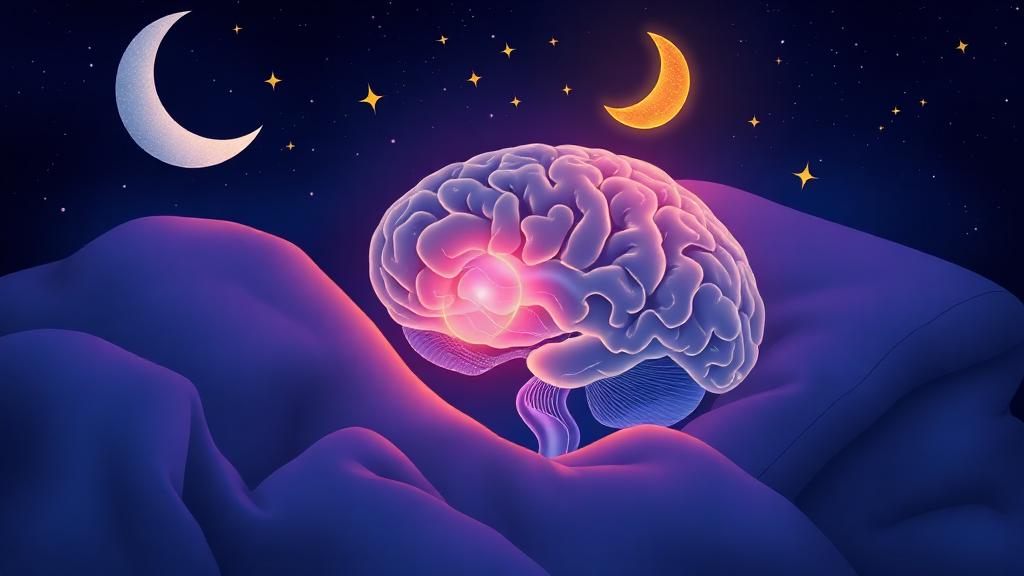 During deep non-REM sleep, the brain activates the glymphatic system, removing toxic proteins including amyloid-beta and tau proteins that accumulate in Alzheimer's disease.
The Sleep Paradox: When More Isn't Better
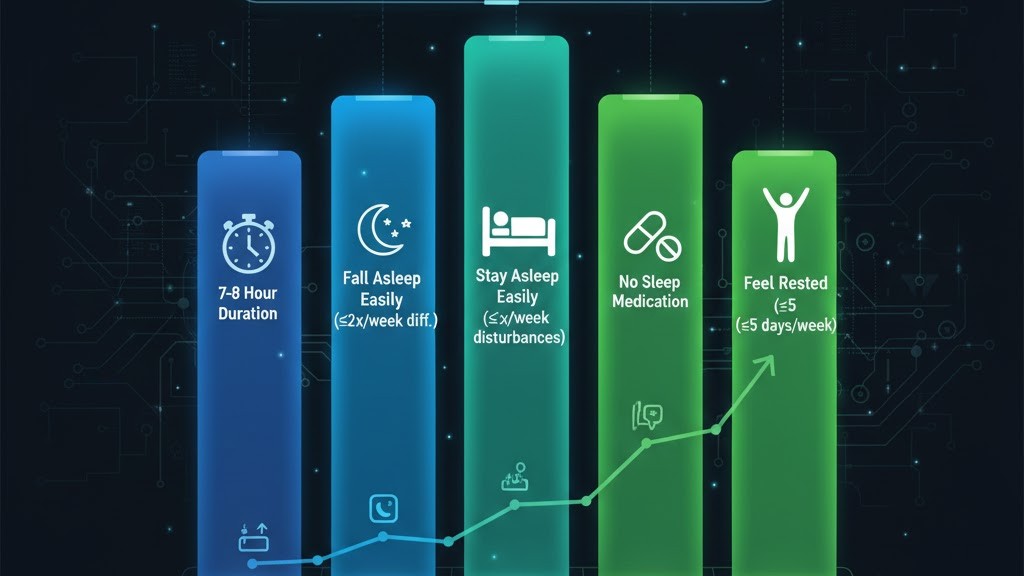
Dr. Virend Somers, the Alice Sheets Marriott Professor at Mayo Clinic, has spent decades uncovering how sleep affects cardiovascular health. His research team's studies—analyzing data from over 172,000 adults—revealed men who achieve adequate sleep live approximately 4.7 years longer, while women gain 2.4 additional years. But there's a critical nuance: a 2025 meta-analysis of 79 cohort studies found that both short sleep (less than seven hours, 14% increased mortality) and long sleep (nine hours or more, 34% increased mortality) were associated with increased risk. The optimal healthspan occurs within the 7-8 hour range.
Professor Matthew Walker from UC Berkeley has pioneered research revealing sleep's multifaceted effects across cellular, genetic, and neurological systems. During deep non-REM sleep, the brain activates the glymphatic system, removing toxic proteins including amyloid-beta and tau. "The sleep you're having right now is almost like a crystal ball telling you when and how fast Alzheimer's pathology will develop in your brain," Walker noted. REM sleep supports memory consolidation, creative thinking, and emotional regulation.
The AI Revolution in Sleep Optimization
Eight Sleep's $100 million funding round signals confidence in AI-driven sleep optimization. The company has analyzed over one billion hours of sleep data from customers in more than 30 countries. The new Sleep Agent creates digital twins of sleep physiology, simulating thousands of scenarios to personalize recovery. The Pod 4 system uses contactless biometric monitoring with 99% heart rate measurement precision, matching clinical electrocardiogram standards.
Oura Ring achieved 91.7-91.8% overall accuracy compared to gold-standard polysomnography, with 94.4-94.5% sensitivity for sleep detection and 79.5% deep sleep sensitivity—five percent more accurate than Apple Watch and 10 percent more accurate than Fitbit. "A core finding of this study is that, unlike the other devices, Oura Ring can more reliably estimate the amount of time spent in each of the different sleep stages," noted Raphael Vallat, Oura's lead machine learning scientist.
Sleep Regularity: The New Longevity Metric
The most transformative insight challenges conventional wisdom. Daniel P. Windred and colleagues at Monash University demonstrated that sleep regularity predicted mortality more strongly than sleep duration. Over 7.8 years of follow-up with 60,977 UK Biobank participants, higher sleep regularity remained independently associated with substantially lower mortality risk. Dr. Wendy Troxel of RAND Corporation emphasizes: "Maintaining a consistent sleep-wake schedule may serve as one of the simplest, most overlooked ways to protect long-term health."
Cellular Rejuvenation: Where Sleep Meets Longevity Science
Altos Labs—backed by Jeff Bezos and Yuri Milner with $3 billion in initial capital—focuses on restoring cell health through cellular rejuvenation programming. Their 2024 paper in Science Translational Medicine demonstrated that targeted partial reprogramming successfully extended lifespan in mice. The connection to sleep is profound: Matthew Walker's research shows that sleep directly influences epigenetic processes. During quality sleep, the body engages in strategic regeneration—precisely the cellular dysfunction that companies like Altos Labs aim to reverse. Sleep-mediated DNA repair and reduced oxidative stress align perfectly with cellular rejuvenation goals.