Sports Science
·14 min read
The Cramp Game: What Really Makes Student-Athletes Lock Up
Electrolytes vs. Neuromuscular Fatigue — A science-based guide for high school and college athletes on why the biggest stage isn't lost to salt, it's lost to the nervous system
By Tony Medrano and Conor Rightmire, LongevityPlan.AI
The Cramp Game: What Really Makes Student-Athletes Lock Up
Electrolytes vs. Neuromuscular Fatigue: What Actually Triggers Cramping in Athletes?
A Science-Based Guide for High School and College Athletes on Why the Biggest Stage Isn't Lost to Salt — It's Lost to the Nervous System
By Tony Medrano and Conor Rightmire | LongevityPlan.AI
The Cramp Game: What June 5, 2014 Taught Us About How Athletes Really Break Down
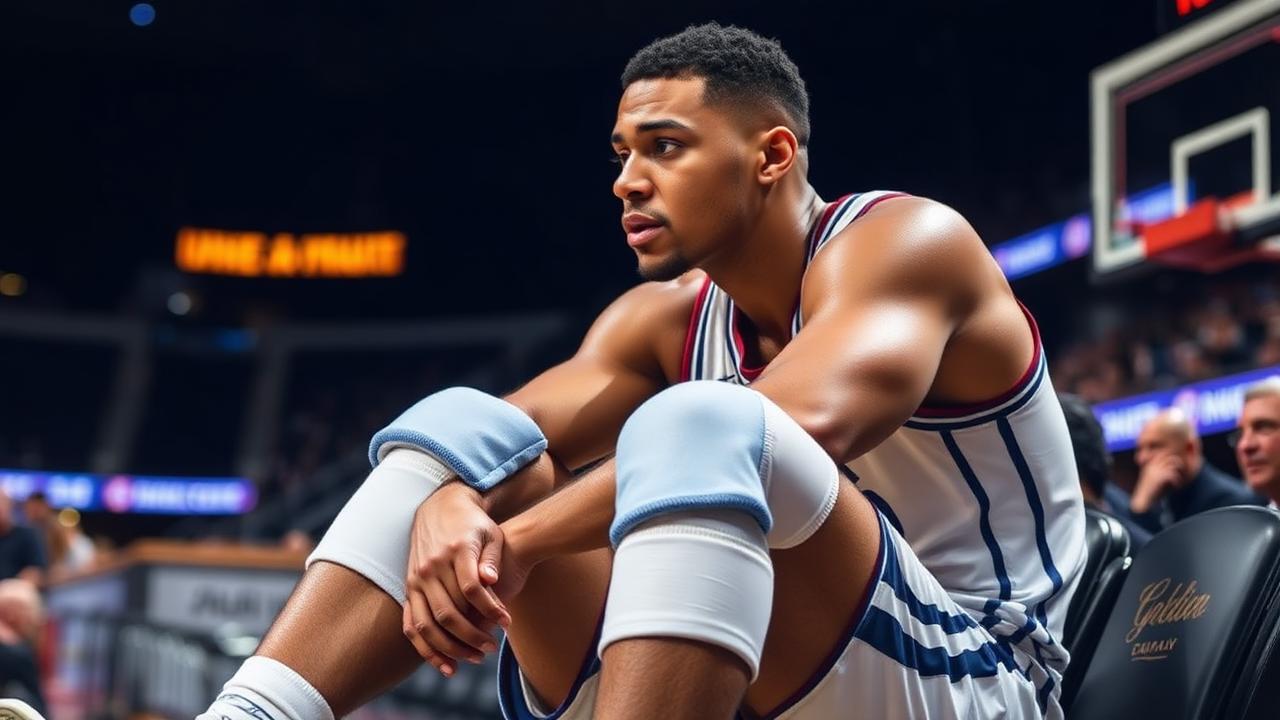
On June 5, 2014, in Game 1 of the NBA Finals at the AT&T Center in San Antonio, LeBron James — the most physically prepared basketball player of his generation, a four-time MVP in the middle of his fourth straight Finals appearance — was carried off the court by a teammate. The Miami Heat had entered the building planning to open their series against the San Antonio Spurs, take a 1-0 lead, and begin a title defense. None of that happened. An electrical failure had knocked out the arena's air conditioning. By the fourth quarter, court-level temperatures had climbed above 90°F. James's entire left leg — quadriceps, hamstring, and calf — locked into spasms so severe that, at 3:59 remaining and the Heat trailing by two, he could not stand.[1]
"It was the whole left leg, damn near the whole left side," James told reporters afterward. "I was losing a lot throughout the game. It was extremely hot in the building."[2] The Spurs finished the game on a 31-9 run, took the series 4-1, and posted the largest point differential (+70) in NBA Finals history. The narrative around the game turned ugly almost immediately. Gatorade — the NBA's official sports-drink partner and the endorsement company of James's teammate Dwyane Wade — tweeted a pointed line that "the person cramping wasn't our client," a dig at James's deal with competitor Powerade.[3] Social media exploded with takes blaming dehydration, electrolyte loss, "salty sweater" genetics, and inadequate fueling. Hall of Famer Isiah Thomas defended the player everyone was mocking online: "There is no athlete on the planet who could've played through those cramps. Michael Jordan absolutely couldn't have played through those cramps. I absolutely couldn't have played through those cramps. As an athlete, there's nothing you could do."[4]
The Cramp Game became a cultural moment — the meme-generator for years of LeBron-vs-Jordan arguments — but almost no one who laughed at it understood what had actually happened inside James's body. The conventional story, reflexively repeated on every sports broadcast, was that he had "lost too much fluid" and "ran out of electrolytes." That story is contradicted by essentially every controlled study performed since Schwellnus and colleagues began running prospective trials in the late 1990s.[5] What really took LeBron James out of Game 1 was not salt. It was his spinal cord.
This distinction — electrolytes versus neuromuscular fatigue — is not an academic debate. For every high school running back lost in August two-a-days, every NCAA Division I basketball player cramping in an overtime tournament game, every cross-country runner who seizes up in the final mile of a state meet, the answer determines whether the right intervention happens at the right time. Parents and coaches who still believe the old story are sending their athletes into heat, into tournaments, into championship weekends armed with Gatorade and salt tabs for a problem those tools don't actually fix. Science has moved on. The sidelines mostly have not.
This article is written for the high school and college athletes — and the parents and coaches who support them — who care enough about their own performance and healthspan to want to know what the research actually says. The data will show that cramping is a neuromuscular event with a psychological component, that electrolyte depletion is usually a bystander rather than a cause, and that the athletes who understand the difference win games their opponents lose.
Part I: The Two Theories — What the 90-Year Fight Is Actually About
For most of the twentieth century, one theory of exercise-associated muscle cramps (EAMC) dominated sports medicine, clinical practice, and the commercial imagination of Gatorade and every sports drink that followed it. A second, competing theory began accumulating experimental support in the late 1990s and has now, in the view of most exercise scientists who study the problem, effectively displaced the first. Understanding both is essential because the right diagnosis points to the right solution, and — as LeBron James's night in San Antonio illustrates — the wrong diagnosis sends everyone chasing the wrong lever.
The Dehydration and Electrolyte Theory
The dehydration-electrolyte hypothesis originated in a 1933 Journal of Clinical Investigation paper by Talbott and Michelsen, who studied heat-exposed industrial workers — stokers on ships and steel-mill laborers — who cramped in hot environments and had blood chemistry showing salt depletion.[6] Give them saline, and the cramps often resolve. The mechanism was simple and intuitive: an athlete sweats, loses sodium and chloride, plasma volume contracts, the interstitial fluid space around motor nerve terminals compresses, those nerves become hyperexcitable, and the muscle cramps. The prescription — drink more fluid, consume more electrolytes — became the foundational logic of a $30-billion global sports nutrition industry.
Some evidence still supports a role for this mechanism in specific populations. Dr. Michael Bergeron documented in elite tennis players that "salty sweaters" — athletes with sodium losses exceeding roughly 2.5 grams per hour — showed elevated cramping rates in hot, humid conditions.[7] An NCAA football study led by Stofan and Eichner found that players with sweat sodium losses above 1.18 grams or sweat chloride losses above 2.3 grams during a single workout were measurably more likely to be cramp-prone.[8] And the 2024 Washington State University retrospective of 10,533 medical-tent encounters over 30 years of IRONMAN World Championships in Kona found a statistically significant association between clinical dehydration and athletes receiving cramp treatment (adjusted odds ratio 1.62, 95% CI 1.05–2.50).[9]
So the theory is not wrong — it is incomplete. And the gap between what it explains and what it cannot explain is precisely where the second theory lives.
The Altered Neuromuscular Control Theory
In 1997, Dr. Martin Schwellnus of the University of Pretoria proposed that exercise-associated cramping is not fundamentally a plumbing problem but a wiring problem. His Journal of Sports Sciences paper, followed by a series of prospective cohort studies published through the British Journal of Sports Medicine, argued that cramping arises from a dysregulation in the normal neural control of muscle contraction — specifically, from an imbalance between excitatory signals fired by muscle spindles and inhibitory signals fired by Golgi tendon organs to the alpha motor neurons that ultimately command the muscle.[10]
The experimental evidence that accumulated over the next twenty years was devastating for the pure-electrolyte model. In a 2011 prospective study of 210 IRONMAN triathletes, Schwellnus, Drew, and Collins measured serum electrolytes before and after the race and compared athletes who cramped against those who did not. The cramping athletes were not more dehydrated and did not show different post-race sodium concentrations. What they did show was faster running speeds and a prior history of cramping — findings that pointed directly at neuromuscular fatigue rather than fluid loss.[11] The 2022 evidence-based review in the Journal of Athletic Training laid out the problem in a way sports medicine had never before acknowledged in a consensus document: when volunteers were experimentally dehydrated to 6% of body mass — a severity almost no endurance athlete achieves in the field — their muscle resting membrane potential did not change.[12] The electrical mechanism the old theory depended on simply does not occur at the cellular level. If systemic dehydration causes cramping, random muscles throughout the body should cramp, but they don't — the working muscles cramp, and specifically the ones contracting in shortened positions.
Why This Fight Matters
The stakes are not abstract. A 2019 study in the Journal of Athletic Training by Dr. Susan Yeargin and colleagues examined 232 exertional heat illness events across NCAA sports from 2009 to 2015. Heat cramps accounted for 39% of all EHI events — the single most common diagnosis — and football alone accounted for 75% of cases, with an incidence rate of 1.55 per 10,000 athlete-exposures.[13] At the high school level, a Centers for Disease Control and Prevention Morbidity and Mortality Weekly Report analyzing the 2005–2009 National High School Sports-Related Injury Surveillance Study found that football players experienced time-loss heat illness at a rate of 4.5 per 100,000 athlete-exposures, with 66.3% occurring in August and 76.7% during preseason practice.[14] Scott Anderson, ATC and colleagues documented in 2024 that the National Registry of Catastrophic Sports Injuries recorded 159 exertional heat stroke fatalities in youth, high school, and collegiate football players from 1955 through 2021, a mean of 2 deaths per season, with 97% of those EHS deaths occurring in linemen and 100% during conditioning sessions rather than games.[15]
Every one of these statistics rests on a diagnostic model. If that model is wrong — if heat cramps are primarily neuromuscular rather than electrolyte-driven — then the prevention strategies built around hydration and sodium are aiming at the wrong target.
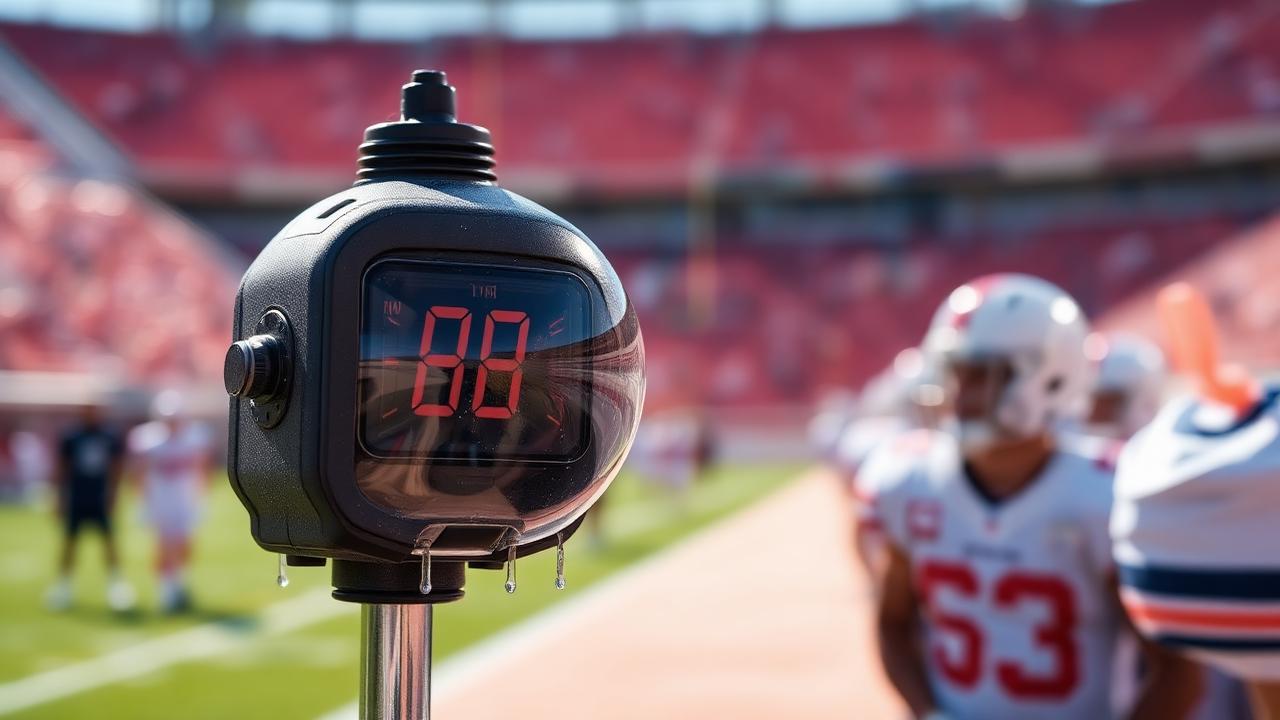 Exertional heat illness in American football is not evenly distributed across the season. It concentrates sharply in the first three weeks of August preseason practice, and the catastrophic events concentrate even more sharply in one specific position: the lineman.
Part II: What Actually Happens Inside a Cramping Muscle
To understand why sports medicine has shifted from the electrolyte model to the neuromuscular model, it helps to look carefully at what a muscle cramp actually is — not as a feeling but as an event at the spinal cord.
Every voluntary muscle contraction in the human body is the result of a continuous, millisecond-by-millisecond negotiation between two opposing sensory inputs converging on a single decision point: the alpha motor neuron in the spinal cord, which is the final common pathway from the nervous system to the muscle fiber. On one side of this negotiation are the muscle spindles, stretch receptors embedded within the muscle belly itself. When the muscle lengthens, the spindles fire action potentials through Type Ia afferent nerves back to the spinal cord, telling the motor neuron to contract the muscle and resist the stretch. On the opposing side are the Golgi tendon organs (GTOs), tension receptors embedded at the musculotendinous junction. When the muscle develops high force, the GTOs fire through Type Ib afferent nerves, telling the motor neuron to stop contracting — a protective reflex that prevents the muscle from tearing itself off the bone.
In a rested, well-conditioned athlete, these two signals are balanced. Now consider what happens as the athlete fatigues. Glycogen in the working fibers depletes. Local pH drops as lactate and hydrogen ions accumulate. The muscle contracts repeatedly in a shortened position — the way the gastrocnemius does at push-off on every running stride, or the way the quadriceps does at the top of every pedal stroke, or — in LeBron James's case — the way the hamstring and calf do in the stance phase of every cut and every defensive slide over 33 minutes of a 90°F basketball game. A shortened muscle produces less tension at its tendon, so the GTO inhibitory signal weakens. Meanwhile, the muscle-spindle excitatory signal stays strong or even amplifies, because a fatigued muscle's spindles fire more vigorously as its contractile fibers become less responsive. The balance tips. The alpha motor neuron slips into a high-frequency, self-sustaining firing pattern that neurologists call bistability or hyperexcitability. The muscle contracts involuntarily, stays contracted, and produces what Mayo Clinic describes as "a sudden, involuntary contraction of one or more muscles into a painful knot."[16]
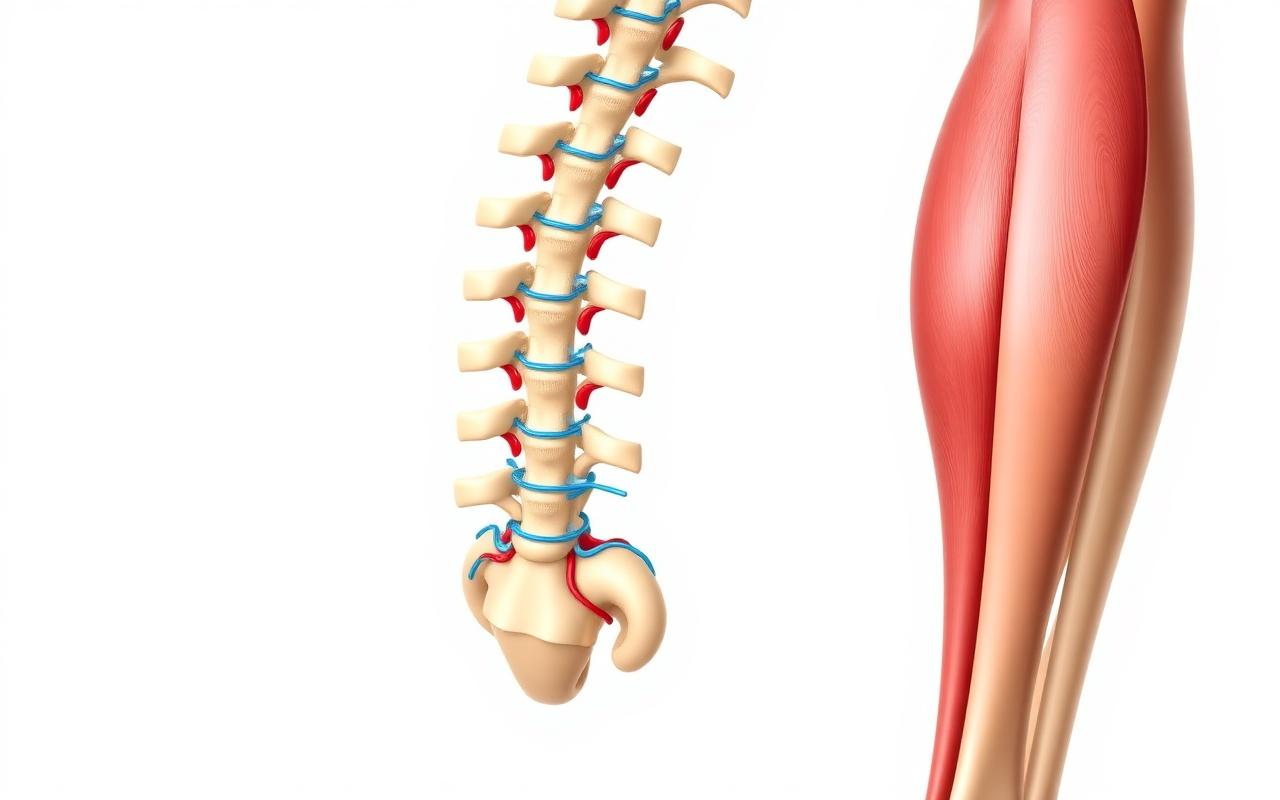 A cramp is a spinal-cord event: the alpha motor neuron slips into a self-sustaining firing pattern when the normal balance between spindle excitation and GTO inhibition tips under fatigue. Stretching reverses the cramp within seconds by re-loading the GTO — no electrolyte replacement required.
This model explains the clinical facts that the electrolyte theory never could. It explains why stretching the cramped muscle relieves the cramp almost instantly without changing fluid or electrolyte levels at all — stretching loads the GTO, restores the inhibitory signal, and shuts down the hyperexcited motor neuron. It explains why faster athletes cramp more, because they spend more time at higher relative intensities and accelerate the neuromuscular fatigue that drives the imbalance. It explains why cramping clusters in specific muscles in specific sports — the gastrocnemius and hamstring in running, the quadriceps and adductors in cycling, the foot intrinsic muscles in swimming — because each sport loads different biarticular muscles in shortened positions. And it explains the single most clinically important finding in Miller's work: a cramp early in a game or race predisposes an athlete to more cramps later within the same event, because cramping itself produces short-term spinal-level sensitization that can persist for up to an hour, lowering the threshold for the next cramp.[12]
Part III: The Psychological Dimension — Why the Brain Governs the Cramp Threshold
An athlete who has cramped in a prior championship race enters her next championship race with a nervous system that is already more cautious. This is not a sports-psychology platitude — it is a measurable physiological reality, and it is the single most overlooked dimension in the cramp-prevention literature. Beyond the spinal-level events described in Part II, the brain itself plays a major role in setting the cramp threshold for any given athlete on any given day. Understanding how is the work of Dr. Timothy Noakes, the South African emeritus professor of exercise and sports science at the University of Cape Town, who ran more than 70 marathons and ultramarathons.
The Central Governor Model
In 1997, Noakes proposed the Central Governor Model (CGM).[17] He argued that fatigue during intense exercise is a brain-mediated regulatory process: the brain continuously monitors physiological state — core temperature, oxygen saturation, heart rate, fuel reserves, the perceived difficulty of the task ahead — and modulates the number of motor units it is willing to recruit in order to prevent catastrophic homeostatic failure.[18] What an athlete experiences as "fatigue," in this model, is not the muscles giving out; it is the brain's protective governor limiting them before the muscles would actually fail. The implication for cramping is direct: if the brain governs motor unit recruitment to preserve homeostasis, the cramp threshold an athlete reaches on a given day is not purely a function of that day's electrolyte status or muscle fatigue — it is a function of how the brain is reading the total situation, including the emotional and psychological context of the event.
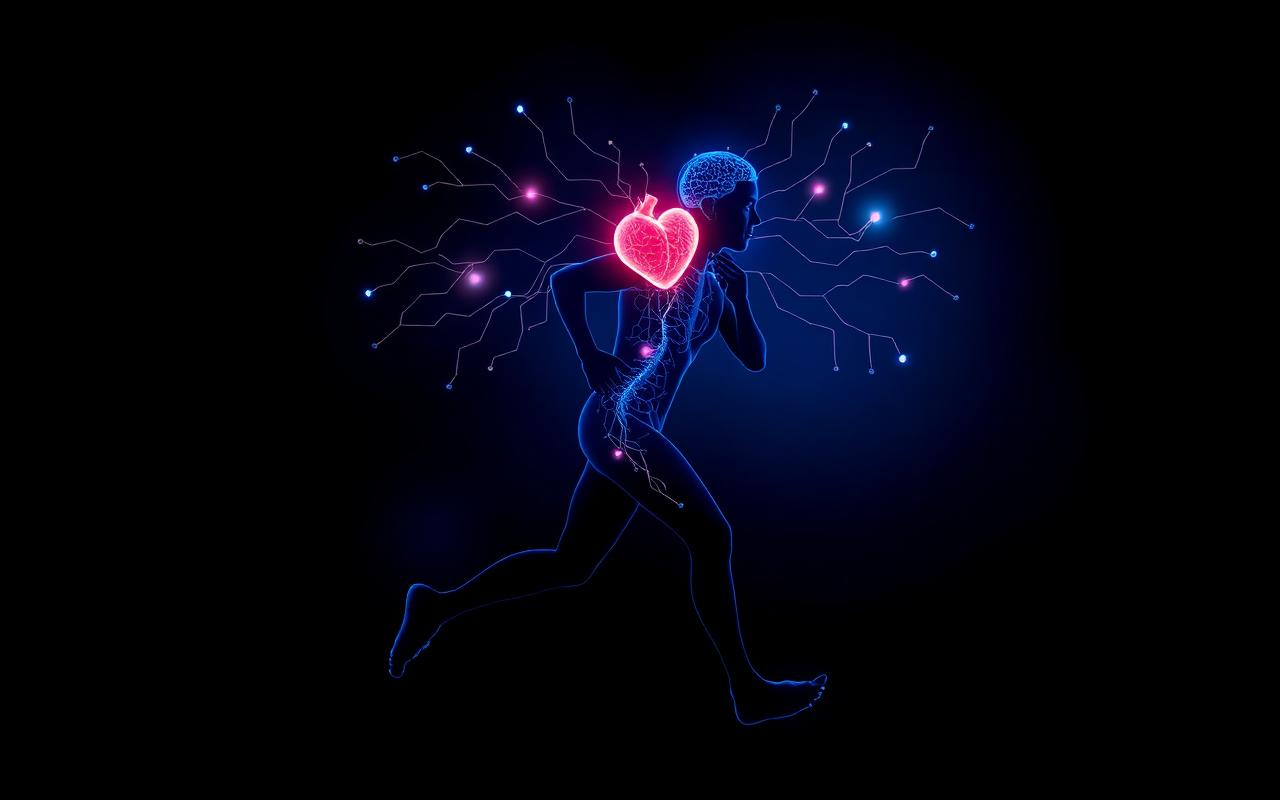 The Central Governor Model reframes fatigue and cramping as brain-regulated phenomena rather than peripheral failures. The brain integrates physiological signals (temperature, heart rate, glycogen, hydration) with psychological signals (prior cramp history, championship stakes, expected race distance) and sets the cramp threshold accordingly.
The Anticipatory Component
This is where the difference between short-term and long-term nervous-system effects becomes crucial. Part II described the short-term sensitization that occurs within an event — a single cramp in the third quarter primes the spinal cord for more cramps in the fourth. The central governor adds a second, longer timeline: a cramping episode this season can recalibrate the brain's pacing strategy for next season. Noakes's experimental work shows that athletes entering an event in unexpectedly hot conditions slow from the very first mile, before they have accumulated any meaningful heat strain. The brain anticipates the difficulty of the event ahead and throttles motor-unit recruitment accordingly. Tell a cyclist they are doing a 40-kilometer time trial when they are actually doing 44 kilometers, and pace analysis shows they hit the wall at exactly 40 km — because the brain set its strategy around the expected duration, not the actual one.[19] Noakes's 2012 review in Frontiers in Physiology extended this further: "fatigue is not a physical event but rather an emotion that is used by the brain to regulate exercise performance."[20]
For a student-athlete who cramped in the state championship last year, this means entering this year's championship with a nervous system that has already updated its governor downward in that specific context. Anticipatory anxiety, expectancy effects, and the emotional memory of prior cramping all lower the cramp threshold before the game even starts. It shows up in EMG data, in pacing patterns, and in the well-documented finding that a prior cramp history is the single strongest predictor of future cramping — stronger than sweat rate, stronger than sodium losses, stronger than environmental temperature.[11]
The Implication
The implication for student-athletes is not that cramping is "all in your head." It is the system controlling cramping that integrates physiological inputs (muscle fatigue, heat strain, hydration, substrate availability) with psychological inputs (motivation, pacing strategy, expectation, prior experience, confidence) at a level of the nervous system that predates conscious awareness. An athlete who trains only the physiological side is missing half the equation. Heat acclimatization matters. Sodium status matters. But so does deliberate exposure to game-like psychological stress, so does visualization and mental rehearsal under fatigue, and so does the conscious re-framing of prior cramping episodes as specific, solvable problems rather than permanent vulnerabilities.
This is also the frame in which the LeBron cramp game becomes fully legible. James was not only dealing with a 90°F arena and cumulative fluid loss. He was playing in his fourth straight Finals, 33 minutes into Game 1, guarding the opposing team's best player, with a nervous system that had already accumulated years of championship-pressure load. Tim Duncan, the Spurs' Hall of Fame center, watching James from the opposing bench, has said he had experienced the same thing himself in a prior Finals — two all-time great players, same pressure cooker, same physiology.[21] The Cramp Game was a brain-and-body event, not a Gatorade event.
Part IV: Practical Protocols by Athletic Level
The right interventions depend on the developmental phase, sport, and specific vulnerability of the athlete.
High School Football and the First Three Weeks of August
The highest-risk window in American student-athletics for cramping and heat illness is not a championship game. It is the first three weeks of high school football preseason practice. Cooper, Ferrara, and Broglio documented in a 2006 Journal of Athletic Training study across a single NCAA Division I southeastern football season that exertional heat illness rates peaked at 8.95 per 1,000 athlete-exposures in August, then dropped to 1.7 per 1,000 in September and effectively to zero by October; within that August window, heat cramps accounted for 70% of all EHI events.[22] The broader picture from the Korey Stringer Institute at the University of Connecticut confirms this seasonal pattern across high school and college football programs nationally.
For a high school varsity football player entering August practice — particularly a lineman, the position with 97% of all football exertional heat stroke fatalities — the evidence-based protocol has five components, none of which is "drink more Gatorade." First, graduated heat acclimatization over 10–14 days, following the NATA consensus guidelines: shorts and helmet only for days 1–2, shells on days 3–5, full pads starting day 6, and full contact no earlier than day 6.[23] Second, individualized sweat-sodium testing via a Precision Fuel & Hydration or similar sweat-patch protocol administered by the athletic training staff during the first week. Third, body-mass monitoring before and after every practice, with the standard benchmark of not losing more than 2% of body weight per session being a flag for modified participation the next day. Fourth, eccentric strength work for the posterior chain — Nordic hamstring curls, slow-tempo calf drops — integrated into the summer strength program before August. Fifth, WBGT-based practice modification, with cancellation of padded practice when wet-bulb globe temperature exceeds 92°F (33°C).
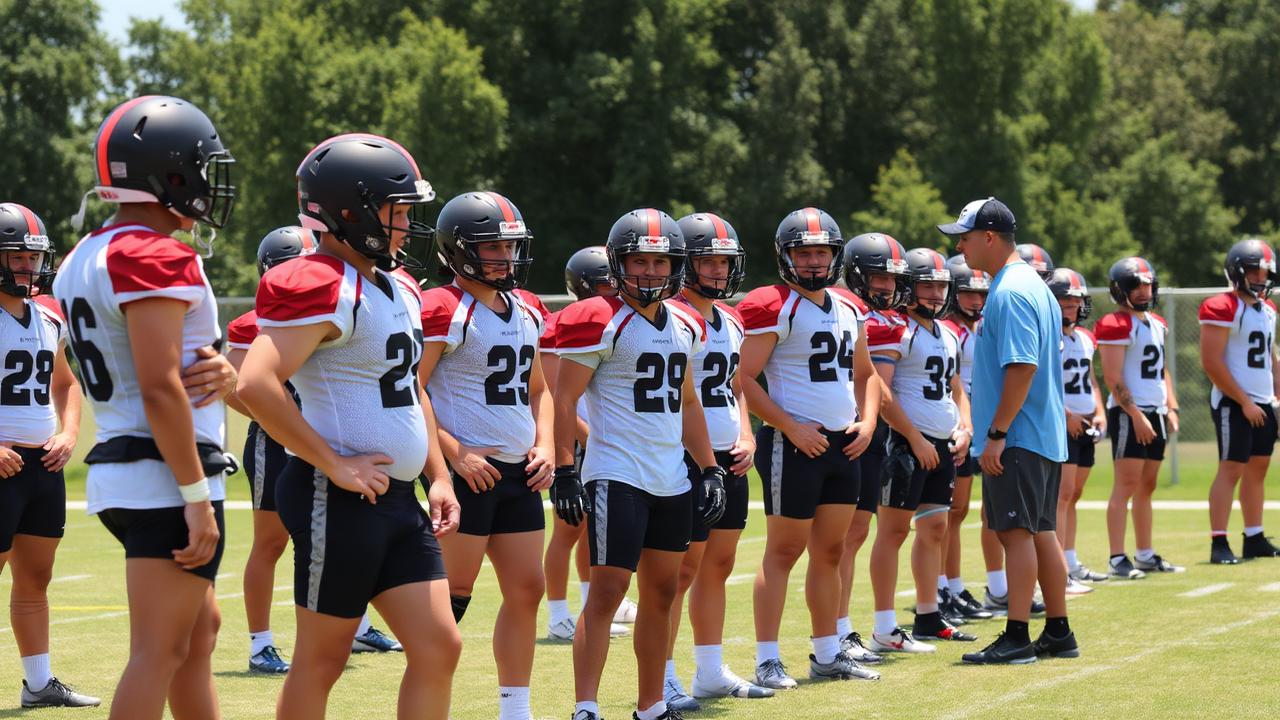 The single highest-risk window in U.S. student-athletics for exertional heat illness — and the window in which 100% of documented football exertional heat stroke fatalities have occurred.
Beyond these mandatory elements, the psychological layer matters. A varsity lineman who has cramped in prior two-a-days brings a sensitized nervous system to this August. Deliberate conversation with the athletic trainer, goal-setting around incremental practice milestones, and brief sessions with a sport psychologist work on the central-governor side of the problem that no sodium capsule can touch.
The High School Cross-Country Runner
Contrast this with a 16-year-old varsity cross-country runner who has cramped in both calves in the final kilometer of her last two championship races. Both times, the ambient temperature was under 65°F. No plausible dehydration story. What she has is a classic neuromuscular-fatigue cramp pattern, possibly overlaid on subclinical iron deficiency — a condition affecting a meaningful proportion of adolescent female endurance athletes, with serum ferritin below ~30 ng/mL documented in a substantial fraction of female competitive runners in studies by Sinclair and Hinton and subsequent cohorts.[24] Iron deficiency, even without frank anemia, impairs neuromuscular function through its role in mitochondrial electron transport and reduces ventilatory threshold.
Her intervention plan, drawing on the International Olympic Committee consensus on youth athletic development, is substantively different from the football player's. She needs a full iron studies panel (ferritin, transferrin saturation, soluble transferrin receptor) with a performance-medicine ferritin threshold closer to 30–50 ng/mL rather than the standard laboratory threshold of 12 ng/mL. She needs graduated volume progression with no weekly mileage jumps above 10%. She needs eccentric calf work — slow-tempo heel drops off a step, three times per week — to build motor-unit fatigue resistance in the specific muscle group that has been cramping. She needs an energy-availability review, ideally with a sports dietitian, to rule out Relative Energy Deficiency in Sport (RED-S). And she needs a pre-race psychological protocol — specific visualization of cramp-free championship races, cognitive re-framing of the prior cramp events as solvable, measurable problems rather than permanent vulnerabilities.
The NCAA Division I Basketball Player
At the college level, a Division I men's basketball player cramping in overtime of a March Madness game is experiencing something close to what LeBron James experienced in 2014 — a neuromuscular-fatigue event accelerated by heat strain and repetitive high-intensity contraction, with a significant psychological overlay from the stakes of the moment. Division I basketball programs at schools like Duke, Kentucky, and Villanova now routinely deploy real-time physiological monitoring during games and practices, using GPS and IMU vests from Catapult Sports to track acceleration, deceleration, and mechanical workload, combined with heart-rate and sleep data from WHOOP to monitor acute-to-chronic workload ratios.[25]
The evidence-based approach for this athlete integrates three layers. At the conditioning layer, the player follows a periodized preseason program that specifically trains the calves, quadriceps, and hamstrings for the repeated high-force contractions at extended ranges demanded by defensive slides and explosive first-step accelerations. At the real-time monitoring layer, his cumulative load during a tournament run is tracked by the athletic performance staff, with deliberate dose reduction in practices between high-stakes games to keep total load below individual thresholds. At the psychological and tactical layer, he and his coaching staff have a pre-game pacing plan that accounts for the predictable rise in nervous-system strain in overtime and close-game situations.
The College Cross-Country and Distance Program
For an NCAA distance runner — a cross-country All-American, a 1500m runner on a track scholarship at a program like Stanford, Oregon, NC State, or BYU — programs at this level now routinely use InsideTracker-style blood biomarker panels every 8–12 weeks to track ferritin, vitamin D, magnesium, and markers of inflammation; periodic DEXA scans for bone mineral density and lean-mass tracking; and heart-rate-variability-based readiness assessment via ŌURA or Garmin to flag days when the autonomic nervous system is signaling reduced capacity and the cramp threshold has shifted downward.
For any of these athletes, the final common factor in prevention is the same as the factor in the science: cramps happen where the nervous system's control of the muscle breaks down, and the tools that work are the ones that strengthen that control. Training specificity, recovery adequacy, iron status, sleep, and deliberate psychological preparation all move the cramp threshold. Generic electrolyte loading, for the overwhelming majority of student-athletes in the overwhelming majority of situations, does not.
Part V: Where the Science Is Heading — The Longevity and Digital Twin Dimension
Everything above is about preventing the next cramp. But for the high school athlete aiming at a Division I scholarship, or the college athlete considering whether to pursue athletic performance as a multi-decade project, there is a larger question: what do the patterns that produce or prevent cramping predict about long-term health and performance? This is where cramping stops being a sports-medicine issue and becomes a longevity-medicine issue — and the connection is not metaphorical, it is mechanistic.
The practices that move an athlete's cramp threshold outward — eccentric strength work, sport-specific conditioning, heat acclimatization, sleep discipline, iron and nutritional sufficiency, stress and recovery management — are the same practices that have been shown, in large peer-reviewed cohort studies, to reduce long-term mortality. A 2022 systematic review and meta-analysis of 16 cohort studies by Dr. Haruki Momma and colleagues in the British Journal of Sports Medicine found that muscle-strengthening activities independently reduced all-cause mortality risk by 10–17%, with an optimal dose of roughly 30–60 minutes per week.[26] In other words: the eccentric Nordic hamstring curls and progressive heat-acclimatization protocols that raise an athlete's cramp threshold this August are also the interventions that, across decades, measurably extend life.
Healthspan, Biological Age, and the Cramp Threshold
Healthspan — the years of life spent in good functional health rather than disease or disability — is now measured with precision that did not exist even five years ago. At the individual level, the most scientifically validated biological-age biomarker is DunedinPACE (Pace of Aging Computed from the Epigenome), developed from the 50-year Dunedin longitudinal cohort in New Zealand by Dr. Daniel Belsky of Columbia University and colleagues. DunedinPACE analyzes DNA methylation at 173 specific CpG sites from a blood sample and produces a single number representing the rate at which a person is biologically aging, with a score of 1.0 representing one biological year per chronological year.[27]
The clinically critical detail: DunedinPACE was trained on a 19-biomarker composite derived from longitudinal tracking over two decades, and one of those 19 biomarkers is VO₂ max — cardiorespiratory fitness.[27] This is not a coincidence. Cardiorespiratory fitness is one of the strongest independent predictors of all-cause mortality ever measured, and it is also one of the strongest predictors of the cramp threshold in endurance athletes. Belsky and colleagues reported that a one–standard deviation increase in DunedinPACE was associated with a 56% increase in mortality risk and a 54% increase in chronic disease risk over the subsequent seven years.
The implication for student-athletes is significant. Exercise-associated cramping is a visible, measurable symptom of three of the same underlying biological variables that drive biological aging: cardiorespiratory fitness, neuromuscular integrity, and metabolic flexibility. An athlete whose cramp threshold is being systematically pushed outward through specific training, nutritional sufficiency, and psychological preparation is an athlete whose biological aging pace is slowing.
The Digital Twin for Predictive Peptide Performance™
The tools for turning this insight into continuous, individualized athlete management have finally arrived. LongevityPlan.AI has developed what it calls a Digital Twin for Predictive Peptide Performance™ — an AI-powered software replica of an individual athlete's physiology that integrates data from wearables (WHOOP, ŌURA, Garmin, Catapult), biomarker providers (InsideTracker, Function Health), microbiome analysis (Viome), and epigenetic age testing (TruDiagnostic) into a single model that continuously predicts an athlete's cramp threshold, injury risk, and longevity trajectory in real time.[28]
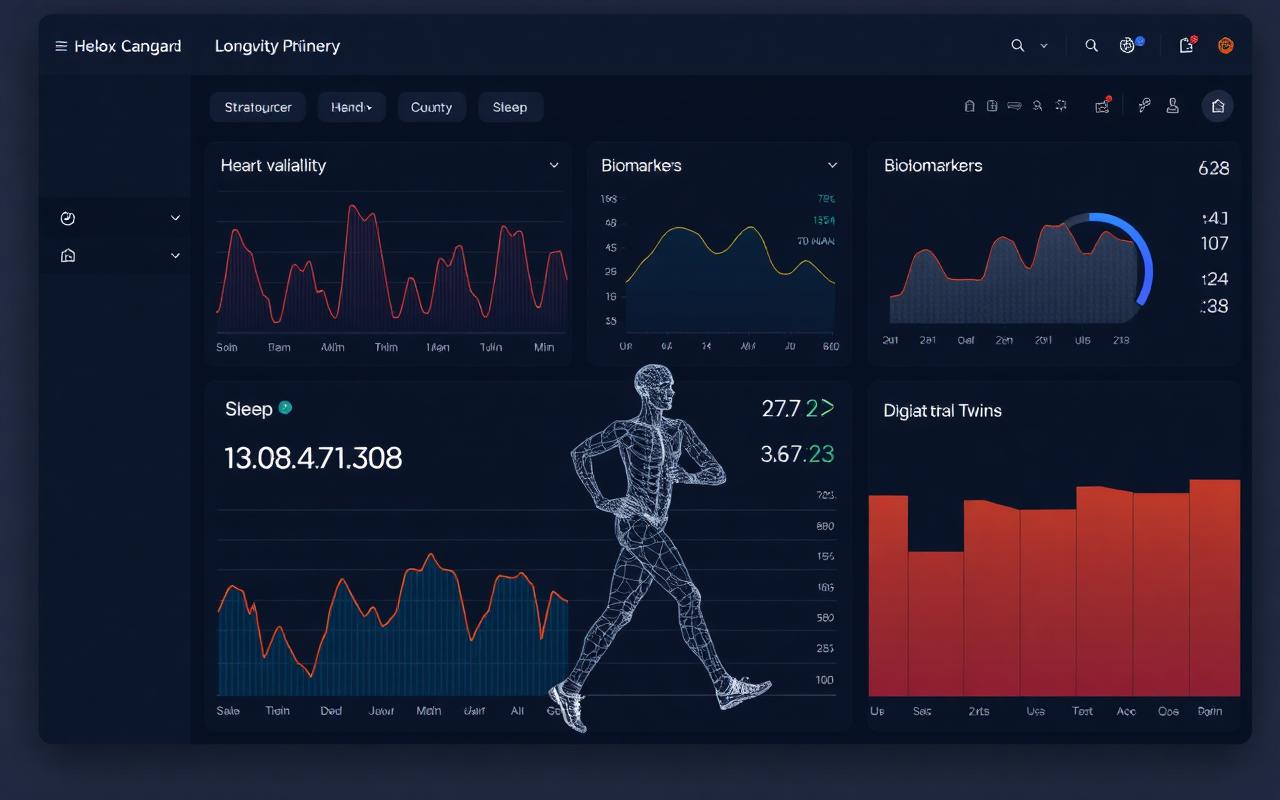 A Digital Twin for Predictive Peptide Performance™ integrates wearable, biomarker, microbiome, and epigenetic-age data into a continuous model of an individual athlete's physiology. The downstream outputs — cramp-risk score for the next practice, readiness for the next tournament game, and DunedinPACE-based longevity trajectory — collapse the cramp-prevention plan and the longevity plan into a single integrated view.
For a college athlete, this looks like a live dashboard showing cumulative training load, readiness, sleep quality, biomarker status, and, as a downstream output, a personalized cramp-risk score for the next practice or game. For a high school athlete and their parents, it looks like an ongoing, age-appropriate longevity plan that treats performance and long-term health as a single integrated problem rather than two competing priorities. And for the coach or program, it looks like the difference between managing a roster by averages and managing it by individuals.
Conclusion: What LeBron Figured Out
In the years after the Cramp Game, LeBron James became arguably the most sophisticated athlete in professional sports when it came to body management. His team of trainers, dietitians, and physicians built what has been widely reported as a multi-million-dollar annual investment in recovery, nutrition, sleep optimization, and load management. He extended his career to an unprecedented 22 seasons. He became the NBA's all-time leading scorer at age 38. He played alongside his own son. The durability was not an accident; it was the result of understanding that athletic longevity is a function of how well the nervous system, the muscles, the fueling system, and the recovery system are managed together, not how much Gatorade you drink.
What LeBron figured out is that high school and college student-athletes are now in a position to learn early, when the learning matters most. Cramping is not primarily about salt; it is about the spinal cord, the brain's protective governor, and the cumulative load on the neuromuscular system. Electrolytes play a secondary role in specific populations and specific conditions. The interventions that actually prevent cramps — sport-specific eccentric strength work, graduated heat acclimatization, iron and nutritional sufficiency, sleep adequacy, deliberate psychological preparation, and real-time load monitoring — are the same interventions that build a long, healthy athletic career and slow biological aging across a lifetime.
For the high school freshman deciding how serious to get about her sport, for the college athlete considering whether to invest in the tools that will separate her from her competition, for the parent trying to figure out what is actually worth paying for, the answer is not in a bottle. It is in a nervous system that has been trained, fueled, recovered, and mentally prepared to perform on the biggest stage without locking up. That is the long game. That is the playbook.
Your longevity plan starts today.
About the Authors
Tony Medrano is CEO and co-founder of LongevityPlan.AI, a platform that integrates performance and health data from athletes and leverages proprietary Digital Twin for Predictive Peptide Performance™ technology, wearable data, and biomarker data to deliver personalized performance optimization and longevity recommendations to athletes, coaches, organizations, businesses, government, and the military. Tony has finished 3 Full Ironman Triathlons (140.6 mi) since 2019. He has degrees from Harvard University, Columbia University, and a JD/MBA from Stanford University. LongevityPlan.AI is veteran-owned.
Conor Rightmire is currently ranked the #1 14-year-old triathlete in the United States. He is also LongevityPlan.AI's founding data athlete, a 2025 USATF Junior Olympic Cross Country All-American, Patriot XC League MVP, top miler in his age group in Massachusetts, an elite XC mountain bike racer, and an exemplary student in the Class of '29 at Marshfield High School, MA, USA.
References
[1] NBA.com. (2022). Top NBA Finals moments: LeBron James cramps up, exits Game 1 of 2014 NBA Finals.
[2] ESPN. (2014, June 6). LeBron exits with leg cramp after AC fails.
[3] ESPN, op. cit. — Gatorade / Powerade social-media exchange documented in Game 1 coverage.
[4] Thomas, I. Quoted in Yahoo! Sports, June 2014.
[5] Schwellnus, M.P. (2009). Cause of exercise associated muscle cramps (EAMC) — altered neuromuscular control, dehydration or electrolyte depletion? British Journal of Sports Medicine, 43(6), 401–408.
[6] Talbott, J.H. & Michelsen, J. (1933). Heat cramps: a clinical and chemical study. Journal of Clinical Investigation, 12(3), 533–549.
[7] Bergeron, M.F. (2003). Heat cramps: fluid and electrolyte challenges during tennis in the heat. Journal of Science and Medicine in Sport, 6(1), 19–27.
[8] Stofan, J.R., et al. (2005). Sweat and sodium losses in NCAA football players. International Journal of Sport Nutrition and Exercise Metabolism, 15(6), 641–652.
[9] Nilssen, P.K., et al. (2024). Exercise-Associated Muscle Cramps in Ironman-Distance Triathletes Over 3 Decades. Clinical Journal of Sport Medicine.
[10] Schwellnus, M.P., Derman, E.W., & Noakes, T.D. (1997). Aetiology of skeletal muscle "cramps" during exercise. Journal of Sports Sciences, 15(3), 277–285.
[11] Schwellnus, M.P., Drew, N., & Collins, M. (2011). Increased running speed and previous cramps rather than dehydration or serum sodium changes predict exercise-associated muscle cramping. British Journal of Sports Medicine, 45(8), 650–656.
[12] Miller, K.C., et al. (2022). An Evidence-Based Review of the Pathophysiology, Treatment, and Prevention of Exercise-Associated Muscle Cramps. Journal of Athletic Training, 57(1), 5–15.
[13] Yeargin, S.W., et al. (2019). Epidemiology of Exertional Heat Illnesses in NCAA Athletes. Journal of Athletic Training, 54(1), 55–63.
[14] CDC. (2010). Heat Illness Among High School Athletes — United States, 2005–2009. MMWR, 59(32), 1009–1013.
[15] Anderson, S.A., et al. (2024). Preventing Exertional Heat Stroke in Football. Sports Health, 16(4), 506–521.
[16] Mayo Clinic. (2024). Muscle cramp — Symptoms and causes.
[17] Noakes, T.D. (1997). Challenging beliefs: ex Africa semper aliquid novi. Medicine and Science in Sports and Exercise, 29(5), 571–590.
[18] Noakes, T.D., St Clair Gibson, A., & Lambert, E.V. (2005). From catastrophe to complexity. British Journal of Sports Medicine, 39(2), 120–124.
[19] Tucker, R. (2009). The anticipatory regulation of performance. British Journal of Sports Medicine, 43(6), 392–400.
[20] Noakes, T.D. (2012). Fatigue is a Brain-Derived Emotion that Regulates the Exercise Behavior. Frontiers in Physiology, 3, 82.
[21] Duncan, T., in Basketball Network interview (2025).
[22] Cooper, E.R., Ferrara, M.S., & Broglio, S.P. (2006). Exertional heat illness and environmental conditions during a single football season in the southeast. Journal of Athletic Training, 41(3), 332–336.
[23] Casa, D.J., et al. (2015). NATA Position Statement: Exertional Heat Illnesses. Journal of Athletic Training, 50(9), 986–1000.
[24] Sinclair, L.M., & Hinton, P.S. (2005). Prevalence of iron deficiency with and without anemia in recreationally active men and women. Journal of the American Dietetic Association, 105(6), 975–978.
[25] Akenhead, R. & Nassis, G.P. (2016). Training load and player monitoring in high-level football. Sports Medicine, 46(5), 725–738.
[26] Momma, H., et al. (2022). Muscle-strengthening activities are associated with lower risk and mortality in major non-communicable diseases. British Journal of Sports Medicine, 56(13), 755–763.
[27] Belsky, D.W., et al. (2022). DunedinPACE, a DNA methylation biomarker of the pace of aging. eLife, 11, e73420.
[28] LongevityPlan.AI. Digital Twin for Predictive Peptide Performance™ framework integrating wearable, biomarker, microbiome, and epigenetic data for personalized athlete performance optimization and longevity planning.