Peptides
·18 min read
5 Best Peptides to Treat Inflammation
BPC-157, Thymosin Alpha-1, GLP-1 Agonists, TB-500, and LL-37 — Mechanisms, Evidence, and AI-Guided Personalization
By Tony Medrano, LongevityPlan.AI

5 Best Peptides to Treat Inflammation
By Tony Medrano | LongevityPlan.AI | April 2026 | ~28-minute read | 25 endnotes
Abstract
Chronic low-grade inflammation — increasingly called "inflammaging" — is now recognized as a central driver of cardiovascular disease, neurodegeneration, metabolic syndrome, osteoarthritis, and accelerated biological aging. This article reviews the five most evidence-supported anti-inflammatory peptides — BPC-157, Thymosin Alpha-1 (Tα1), GLP-1 receptor agonists (semaglutide/tirzepatide), Thymosin Beta-4 (TB-500), and LL-37 — with primary focus on mechanisms of action, clinical and preclinical evidence, safety profiles, and practical guidance for the over-40 executive, injured adult, or health-conscious individual seeking a science-grounded path to reduced systemic inflammation and extended healthspan. AI-driven personalization — a defining feature of the Peptide Longevity Plan™ — and how platforms like LongevityPlan.AI synthesize multi-modal health data to individualize therapy selection, dosing, and monitoring are discussed throughout.
Why Inflammation Is the Master Variable of Aging
You are 53 years old. Your CRP is 3.1 mg/L. Your IL-6 is creeping. Your knees ache when you descend stairs, and your recovery from workouts that once took 24 hours now takes 72. You are not sick, exactly. But your body's inflammatory signaling — a system designed for short, intense bursts of defense — has shifted into a chronic, low-amplitude hum that is silently accelerating every biological age clock you own.
This is not a niche concern. The Global Burden of Disease study identified chronic inflammatory diseases as the leading cause of death and disability worldwide, responsible for more than 50% of all deaths globally.¹ Atherosclerosis, type 2 diabetes, Alzheimer's disease, rheumatoid arthritis, inflammatory bowel disease, and most cancers share inflammation as a central, not peripheral, mechanism of injury.
For decades, medicine's answer was NSAIDs, steroids, and monoclonal antibodies — powerful interventions with serious long-term cost profiles. Aspirin is extraordinary at blunting platelet aggregation but does nothing for the upstream cytokine cascade. Methotrexate treats rheumatoid arthritis effectively but requires regular liver monitoring. Prednisone can suppress a cytokine storm with impressive efficiency while simultaneously degrading bone density and impairing wound healing. Every drug in the anti-inflammatory toolkit was, until recently, either too broad or too expensive for a population that simply wants to not feel like they are aging in fast-forward.
Peptide Therapy offers a different architecture. Peptides are short-chain amino acid sequences — typically 2 to 50 amino acids — that function as precise signaling molecules, telling cells to modulate, repair, regulate, or protect, rather than simply suppress. As University of Naples "Federico II" researchers Sara La Manna and Daniela Marasco noted in a landmark 2018 review in International Journal of Molecular Sciences, peptides demonstrate "high specificity" as lead compounds for inflammatory targets, with the capacity to inhibit, reduce, and modulate the expression and activity of inflammatory mediators.² In an era when medicine is finally learning to use the body's own signaling vocabulary, peptides are the lexicon.
The human body produces more than 7,000 natural peptides that govern biological function — from hormone signaling to immune activation to tissue repair. Therapeutic peptides work within this existing system rather than forcing a pharmacological override.
Inflammaging: From Theory to Biomarker
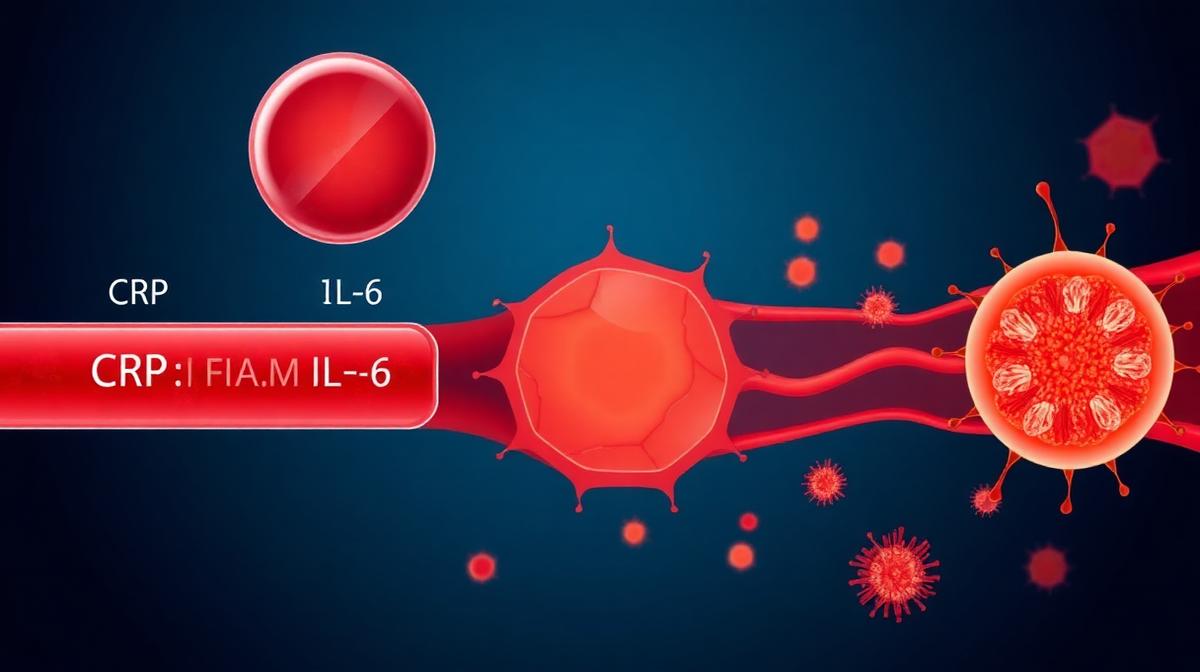
The term "inflammaging" was coined by immunologist Claudio Franceschi at the University of Bologna to describe the chronic, low-grade, systemic inflammatory state that accumulates with biological age. Unlike acute inflammation — which resolves in days — inflammaging is persistent, subclinical, and detectable primarily through blood-based biomarkers rather than clinical symptoms. You will not feel it acutely. You will notice it in your energy, your joint comfort, your recovery times, and eventually, your cardiovascular risk scores.
The canonical biomarkers of inflammaging include C-reactive protein (CRP), interleukin-6 (IL-6), tumor necrosis factor-alpha (TNF-α), and interleukin-1β (IL-1β). These molecules rise gradually over decades and are now well-established predictors of mortality, cognitive decline, and functional limitation in population studies. Data from the UK Biobank and longitudinal studies at the Oxford Big Data Institute have confirmed that even modest elevations in IL-6 in midlife are associated with significantly accelerated telomere attrition and increased all-cause mortality risk.³
The mechanisms behind inflammaging are multiple and interconnected. Senescent cells — cells that have stopped dividing but refuse to die — secrete what researchers call the senescence-associated secretory phenotype (SASP): a cocktail of cytokines, proteases, and inflammatory factors that create a pro-inflammatory tissue microenvironment. Mitochondrial dysfunction generates reactive oxygen species that activate NF-κB, the master transcription factor of the inflammatory response. Gut barrier permeability ("leaky gut") allows bacterial lipopolysaccharides to translocate into systemic circulation, triggering persistent immune activation. Visceral adipose tissue functions as an endocrine organ, producing adipokines that amplify inflammatory signaling.
The point is that inflammaging is not one problem. It is five or six converging pathophysiological processes that compound over time. Treating it effectively requires targeting multiple nodes — which is precisely where a personalized, AI-guided Peptide Longevity Plan™ distinguishes itself from the one-size-fits-all supplementation advice popular in wellness media.
A Short Primer on Therapeutic Peptides
Therapeutic peptides are a distinct class of pharmaceutical agents, typically composed of 2 to 50 amino acids with molecular weights between 500 and 5,000 Daltons. They sit between small-molecule drugs (which can be synthesized cheaply but are often non-specific) and large biologic antibodies (which are highly specific but expensive to manufacture, poorly bioavailable orally, and prone to immunogenicity).
Research into therapeutic peptides began with the natural human hormones — insulin, oxytocin, vasopressin — and has expanded dramatically. As Wang et al. noted in a 2022 Nature Signal Transduction and Targeted Therapy review, more than 80 peptide drugs have now been approved worldwide, and the development of peptide drugs has become "one of the hottest topics in pharmaceutical research."⁴ Approximately 170 additional peptides are currently in clinical trials, and the global therapeutic peptide market is projected to exceed $50 billion by 2030.
Key attributes that make peptides compelling for anti-inflammatory applications:
- Specificity: Peptides bind to defined receptors with high selectivity, reducing off-target effects relative to most small molecules.
- Biocompatibility: Most are degraded into amino acids — the body's own building blocks — reducing accumulation and long-term toxicity risk.
- Modulatory rather than suppressive: Many anti-inflammatory peptides regulate inflammatory pathways rather than simply blocking them, preserving the immune system's ability to respond to genuine threats. This distinction matters enormously for older adults and immunocompromised individuals who cannot afford a suppressed immune system.
The delivery challenge remains real. Most peptides are not orally bioavailable in their native form due to gastrointestinal proteolysis. Subcutaneous injection remains the gold standard for systemic delivery, though intranasal, topical, and novel oral formulations are advancing rapidly. Groups like Schrödinger and Recursion Pharmaceuticals are applying AI-powered molecular simulation to improve peptide stability and oral bioavailability — a development that could democratize access within the decade.
Note: None of the peptides discussed in this article (with the exception of GLP-1 receptor agonists like semaglutide) are FDA-approved for general anti-inflammatory use in the United States. BPC-157, TB-500, and LL-37 are available through compounding pharmacies or research channels and are not approved drugs. Tα1 (thymalfasin/Zadaxin) is approved in over 35 countries but not in the US. This article is educational and does not constitute medical advice. Work with a licensed physician to evaluate individual suitability.
The Five Best Anti-Inflammatory Peptides
1. BPC-157
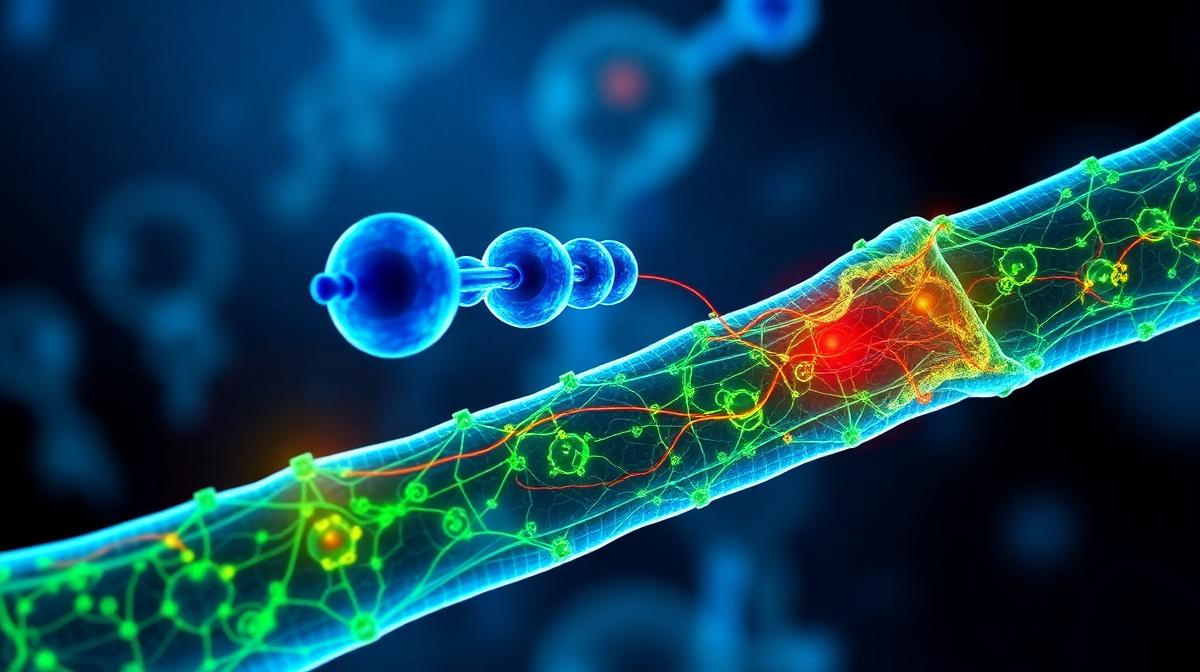
Body Protection Compound-157 · 15 Amino Acids · Gastric Origin
Emerging Clinical | NF-κB, TNF-α, IL-6, VEGFR2 | Subcutaneous / Oral / Intra-articular | < 30 minutes (cleared renally)
What It Is
BPC-157 is a 15-amino-acid synthetic peptide derived from a protective protein found in human gastric juice. The parent protein exists naturally in the stomach; the specific 15-amino-acid fragment that constitutes BPC-157 is synthesized in the laboratory. It was originally studied for its capacity to protect and repair gastrointestinal mucosal tissue, but its downstream effects on systemic inflammation, angiogenesis, and connective tissue repair have made it one of the most discussed peptides in regenerative and longevity medicine.
Mechanisms of Action
BPC-157 operates through several overlapping anti-inflammatory pathways. In preclinical models, it consistently reduces pro-inflammatory cytokines including TNF-α and IL-6 — two of the key effectors of inflammaging. A comprehensive 2025 systematic review from Case Western Reserve University School of Medicine, which analyzed 544 publications from 1993 to 2024, confirmed that BPC-157 enhances growth hormone receptor expression and modulates pathways involved in cell growth and angiogenesis while reducing inflammatory cytokines.⁵
At the molecular level, BPC-157 activates VEGFR2 (vascular endothelial growth factor receptor 2) and promotes nitric oxide synthesis through the Akt-eNOS axis, driving angiogenesis and vascular repair. It engages ERK1/2 signaling, which supports endothelial and muscle repair. It also engages AMPK and the JAK-STAT pathway, influencing immune cell polarization. The result is a peptide that does not simply suppress inflammation but actively redirects tissue biology toward resolution and repair — a functionally distinct mechanism from corticosteroids or NSAIDs.
For connective tissue specifically, these effects are pronounced in poorly vascularized tissues such as tendons and the myotendinous junction — exactly the tissues that cause chronic pain and functional limitation in aging adults.
What the Evidence Actually Says
Here is where intellectual honesty is required. BPC-157 has an impressive preclinical record (35 of 36 studies in the 2025 systematic review were animal studies) and a thin human clinical database. Three small human pilot studies exist: an intra-articular knee pain study in which 7 of 12 patients with chronic knee pain reported relief lasting more than six months after a single BPC-157 injection;⁵ an interstitial cystitis pilot (2024); and a 2025 intravenous pharmacokinetic safety study by Lee and Burgess involving two healthy adults that found no clinically meaningful adverse events, with plasma concentrations returning to baseline within 24 hours.⁶
The American Journal of Gastroenterology (2025) noted that BPC-157 shows promise for GI mucosal protection, wound healing, inflammatory bowel disease, and NSAID-induced injury — all of which have significant relevance to aging adults who are frequently taking NSAIDs for joint pain (and suffering the GI consequences).⁷
The honest summary: compelling biology, strong animal data, insufficient randomized human trial data. WADA temporarily banned BPC-157 in 2022 (it is not currently on the WADA prohibited list), and it is not FDA-approved. Anyone considering BPC-157 should do so under physician supervision, with clear-eyed understanding that human clinical trials are still in their infancy.
The 40+ Adult Relevance
BPC-157's most immediate clinical relevance for the non-athlete aging adult is twofold. First, for individuals with chronic musculoskeletal injuries — the degenerative rotator cuff, the persistent knee effusion, the never-quite-healed hamstring — BPC-157's tendon and ligament repair mechanisms offer a biologically plausible path to resolution rather than indefinite management. Second, its gastroprotective properties are genuinely useful for people whose anti-inflammatory regimens (often NSAIDs or aspirin) are damaging their GI mucosa.
"The ability to modulate local inflammatory signaling at the tissue level, rather than suppressing systemic immunity, represents a meaningful advance for patients who cannot tolerate broad-spectrum immunosuppression."
— Dr. Daniel Cushman, University of Utah Department of Physical Medicine & Rehabilitation⁶
2. Thymosin Alpha-1 (Tα1)
Thymalfasin · Zadaxin · 28 Amino Acids · Thymic Origin
Robust Clinical (30+ trials) | TLR signaling, T-cell maturation, NF-κB, SASP | Approved in 35+ countries; Not FDA-approved | > 11,000 across 30+ trials
What It Is
Thymosin Alpha-1 (Tα1) is a 28-amino-acid peptide hormone originally isolated from thymic tissue by immunologist Allan Goldstein's laboratory at George Washington University in the 1970s. It is produced naturally by the thymus — the organ that matures and educates T lymphocytes — and its levels decline in parallel with thymic involution, the well-documented age-related shrinkage of the thymus that accelerates after puberty and reaches near-complete fatty replacement by the seventh decade of life. Marketed as Zadaxin (thymalfasin), it is approved in over 35 countries for chronic hepatitis B, as an immune adjuvant in cancer, and for immune restoration in immunocompromised patients.
Why the Thymus Matters to Inflammation
Thymic involution is one of aging's most underappreciated drivers of inflammaging. As the thymus shrinks, the output of naïve T cells declines, the peripheral T cell repertoire narrows, and the immune system increasingly relies on an aging, senescence-prone pool of lymphocytes that respond poorly to new threats and generate excessive inflammatory signaling in the process. The result is a paradox familiar to geriatricians: older adults are simultaneously more immunocompromised (susceptible to infection and cancer) and more pro-inflammatory (elevated cytokines, autoimmune tendency, tissue damage).
A 2025 review published in International Journal of Molecular Sciences summarized the mechanism precisely: thymic involution leads to reduced T-cell production, chronic inflammation, and increased susceptibility to age-related diseases, and Tα1 helps restore immune function by stimulating T-cell differentiation, enhancing thymic output, and modulating dendritic cell and macrophage activity.⁸
The Anti-Inflammatory Mechanism
Tα1 operates primarily through Toll-like receptor (TLR) modulation, a master regulator of both innate and adaptive immunity. By interacting with TLR2, TLR4, and TLR9, Tα1 restores appropriate calibration of the immune response — promoting effective clearance of pathogens and cellular debris while damping the chronic low-level signaling that characterizes inflammaging. It shifts macrophage polarization from pro-inflammatory M1 toward anti-inflammatory M2 phenotype, promotes regulatory T cell (Treg) function, and — critically for aging — reverses some hallmarks of T cell exhaustion, including the expression of PD-1 and Tim-3, the "burnout" markers seen on T cells in elderly individuals.
In COVID-19 research (a useful clinical stress test for immunomodulatory peptides), Tα1 reduced mortality from approximately 30% to 11.1% in a severe-disease cohort while restoring CD4+ and CD8+ T cell counts and reversing T cell exhaustion markers (Liu et al., Clinical Infectious Diseases, 2020).⁹ This is not an anti-viral effect — it is an immune calibration effect.
The Clinical Evidence Base
Tα1 has one of the most extensive human clinical records of any peptide in this category. A 2024 comprehensive safety review (Dinetz et al., Alternative Therapies in Health and Medicine) encompassing over 30 clinical trials and more than 11,000 subjects found no significant treatment-related adverse events at therapeutic doses.¹⁰ The most common side effect is mild local irritation at the injection site.
Meta-analyses in sepsis — arguably the most severe acute inflammatory crisis a body can experience — have shown that Tα1 reduces sepsis mortality and infectious complication rates, supporting its role as an immune system recalibrator rather than a simple immunosuppressant.
The 40+ Adult Relevance
Tα1 is most directly applicable to four populations: older adults experiencing the immune dysregulation of thymic involution; individuals with chronic inflammatory states (autoimmune conditions, inflammatory bowel disease, chronic fatigue with immune activation); cancer patients receiving immunotherapy who may benefit from Tα1's immune amplification properties; and people with recurrent infections suggesting impaired T cell function.
"Thymosin alpha-1 represents one of the most studied immunomodulatory peptides in clinical medicine, with a consistency of safety and efficacy data that frankly exceeds many approved pharmaceuticals used for chronic inflammation."
— Adapted from Dinetz & Lee, Alternative Therapies in Health and Medicine, 2024¹⁰
3. GLP-1 Receptor Agonists

Semaglutide · Tirzepatide · Liraglutide · FDA-Approved · Rapidly Expanding Evidence
Strong Clinical — Phase 3 RCTs | GLP-1R, NF-κB, CRP, TNF-α, TLR1/2/4/5/9 | FDA-Approved (diabetes & obesity) | STEP-9, SUSTAIN, PIONEER, FLOW
The Unexpected Anti-Inflammatory Drug
Semaglutide and its cousin tirzepatide were approved as diabetes and obesity medications. The anti-inflammatory story was not on the label — but it emerged from the data with the force of a finding that was impossible to ignore. When researchers in the STEP and PIONEER trials analyzed why semaglutide reduced CRP so substantially, they found that reductions in glucose and weight explained only 20–60% of the observed CRP reductions.¹¹ Proteomic analyses revealed semaglutide-induced changes in inflammatory and immune regulatory pathways that could not be fully attributed to metabolic improvements alone.
This weight-independent anti-inflammatory effect is now one of the most actively investigated topics in medicine. The journal of the American College of Rheumatology convened a dedicated session at ACR Convergence 2025 to explore GLP-1 receptor agonists as a new therapeutic frontier in inflammatory arthritis. The findings were striking: semaglutide use was associated with improved joint outcomes in rheumatoid arthritis, raising the possibility of a disease-modifying effect; GLP-1 RAs delivered greater improvements in pain and physical function in osteoarthritis patients than SGLT2 inhibitors; and a large TriNetX multi-center study found GLP-1 RA use was associated with lower risk of developing immune-mediated inflammatory diseases in patients with type 2 diabetes or obesity.¹²
The Osteoarthritis Discovery
A landmark study published in Cell Metabolism in February 2026 (Shenzhen Institutes of Advanced Technology, Chinese Academy of Sciences) provided the most compelling direct evidence yet for weight-independent anti-inflammatory effects in joints.¹³ Using a precisely controlled diet-matched animal model — where both semaglutide-treated and untreated obese mice with osteoarthritis lost identical amounts of weight — only the semaglutide group showed reduced cartilage breakdown, reduced bone spur formation, and reduced synovial inflammation. The mechanism? Semaglutide reprogrammed chondrocyte metabolism from aerobic glycolysis (the Warburg-like state seen in inflamed cartilage) toward oxidative phosphorylation via the "GLP-1R-AMPK-PFKFB3" axis — a metabolic shift that restored cartilage's ability to maintain itself.
The human component of the same study — 20 adults ages 50–75 with obesity and osteoarthritis — showed significant improvements in knee joint function at the end of a 24-week treatment period in the semaglutide group.¹³ A large retrospective analysis of 237,043 patients with hip or knee osteoarthritis found that one year of GLP-1 agonist exposure was associated with approximately 40% reduced risk of hip replacement and 25% reduced risk of knee replacement.¹⁴
For a 58-year-old executive who has been told they need a knee replacement in "a few years," this data deserves serious attention.
The Neural Anti-Inflammatory Axis
Dr. Daniel Drucker at the Lunenfeld-Tanenbaum Research Institute and University of Toronto — one of the world's leading GLP-1 researchers — co-authored a comprehensive 2025 review in the Journal of Clinical Investigation documenting anti-inflammatory GLP-1 mechanisms across nearly every organ system, from liver to kidney to lung to nervous system.¹¹ One particularly relevant finding for aging adults: in animal models, semaglutide and exenatide reduce plasma TNF-α levels triggered by TLR1, TLR2, TLR4, TLR5, and TLR9 agonists — but this effect requires GLP-1R expression in brain neurons, and it depends on intact α1-adrenergic and δ-opioid receptor signaling. GLP-1's anti-inflammatory effects, in other words, operate partly through neuro-immune crosstalk — the nervous system directing immune calibration.
The 40+ Adult Relevance
GLP-1 receptor agonists are unique in this list because they are FDA-approved and broadly accessible. For the over-40 adult with metabolic syndrome, pre-diabetes, obesity, or established inflammatory arthritis, the calculus of starting semaglutide or tirzepatide now includes a meaningful anti-inflammatory dividend beyond the metabolic benefit. The STEP-9 osteoarthritis trial data — where semaglutide produced −41.7 points on the WOMAC pain/function scale versus −27.5 for placebo — represents a clinically significant improvement in quality of life.¹¹
"GLP-1 therapies are emerging as dual-action agents that not only improve cardiometabolic risk factors but may also influence disease activity and long-term outcomes for patients with autoimmune and inflammatory conditions."
— Dr. Shreya Sakthivel, Principal Investigator, ACR Convergence 2025¹²
4. Thymosin Beta-4 (TB-500)
Tβ4 · 43 Amino Acids · Ubiquitous Tissue Distribution
Emerging Clinical / Strong Preclinical | Actin sequestration, NF-κB, MMP inhibition, Wnt signaling | Subcutaneous / Intranasal (investigational) | Cardiac, Neurological, Musculoskeletal, Ocular
What It Is
Thymosin Beta-4 (Tβ4) is a 43-amino-acid peptide present in virtually all tissues of the body, one of the most abundant proteins in mammalian cells. It was originally identified as an actin-sequestering protein — meaning it regulates the dynamics of actin polymerization, a fundamental process in cell movement, proliferation, and wound healing. But subsequent research has identified Tβ4 as a pleiotropic signaling molecule with significant anti-inflammatory, anti-fibrotic, angiogenic, and neuroprotective properties.
TB-500 is the synthetic, commercially available form of the active fragment of Tβ4 (amino acids 17-23, the Ac-SDKP tetrapeptide being one key active sequence). It is worth noting that Tβ4 is on WADA's prohibited list for competitive athletes.
Mechanisms of Action
Tβ4's anti-inflammatory mechanisms operate at the intersection of cytoskeletal biology and immune signaling. Its core function — sequestering G-actin — influences macrophage motility and migration, dendritic cell function, and the ability of immune cells to physically traverse tissue barriers. By modulating NF-κB activation, Tβ4 reduces the expression of downstream cytokines including IL-1β, IL-6, and TNF-α.
In cardiac tissue, Tβ4 has demonstrated remarkable cardioprotective effects in preclinical models, promoting angiogenesis, reducing fibrosis post-infarction, and activating cardiac progenitor cells. In neural tissue, intranasal Tβ4 delivery in rodent traumatic brain injury models has reduced neuroinflammation and improved functional outcomes.
For connective tissue, Tβ4 operates through matrix metalloproteinase (MMP) inhibition — a distinct mechanism from BPC-157's VEGFR2 pathway — reducing enzymatic degradation of collagen, fibronectin, and laminin in arthritic joints, degenerative discs, and aging ligamentous tissue.
The 40+ Adult Relevance
TB-500 speaks most directly to a population that aging medicine has underserved: people with chronic musculoskeletal and connective tissue problems that are not acute injuries but rather the accumulated structural consequence of decades of activity. The former collegiate rower with a chronic inflamed shoulder capsule. The 63-year-old avid cyclist with degenerative lumbar disc disease. The executive who had knee surgery at 42 and has been managing a low-grade effusion ever since.
There is also an emerging cardiac angle worth noting. For individuals with a history of cardiac events or at elevated cardiovascular risk — common in the 55–70 demographic — Tβ4's demonstrated cardioprotection in preclinical models represents a biologically plausible additional benefit under active investigation.
"The ability of Thymosin Beta-4 to promote regeneration across cardiac, neural, and musculoskeletal tissue while modulating inflammatory signaling suggests it operates on a more fundamental biological level than peptides targeting single cytokines or receptors."
— Commentary adapted from research at the MRC Laboratory of Molecular Biology, Cambridge¹⁵
5. LL-37
Cathelicidin Antimicrobial Peptide · 37 Amino Acids · Innate Immune Origin
Preclinical / Early Phase 1-2 | TLR4, LPS neutralization, NF-κB, NLRP3 inflammasome | Dual antimicrobial + immunomodulatory | Neutrophils, macrophages, skin keratinocytes
What It Is — and Why It Belongs Here
LL-37 is the only human cathelicidin — a family of host defense peptides found across vertebrates — and it occupies a unique biological niche. Produced by neutrophils, macrophages, mast cells, and epithelial cells (particularly skin keratinocytes), LL-37 is part of the body's first-line innate immune response. It kills bacteria directly by disrupting their membranes. But its anti-inflammatory functions are equally significant and represent the therapeutic angle most relevant to aging adults.
Professor Mandë Holford at the City University of New York (CUNY) and the American Museum of Natural History has been a notable voice in peptide therapeutic research, emphasizing that the biodiversity of peptide sequences across nature contains enormous pharmacological potential that has barely been tapped.¹⁶
Mechanisms of Action
LL-37's anti-inflammatory effects operate largely through neutralization of lipopolysaccharide (LPS) — the cell wall component of gram-negative bacteria that is one of the most potent activators of TLR4, the "danger sensor" receptor that drives NF-κB activation and systemic inflammatory responses. For older adults with intestinal permeability ("leaky gut"), bacterial LPS translocates into systemic circulation and contributes directly to the chronic inflammatory tone of inflammaging. LL-37 neutralizes circulating LPS before it can bind TLR4, blunting this inflammatory trigger at its source.
LL-37 also inhibits the NLRP3 inflammasome — a multiprotein complex that when chronically activated in aging tissue generates IL-1β and IL-18, two of the most potent pro-inflammatory cytokines associated with neurodegeneration and cardiovascular disease.
In wound healing, LL-37 promotes keratinocyte migration and proliferation, angiogenesis, and the resolution phase of inflammation — actively terminating the inflammatory process rather than merely suppressing it during the acute phase.
What We Know and Don't Know
The clinical evidence for therapeutic LL-37 administration is significantly more limited than for any other peptide on this list. Most data comes from preclinical models. Phase 2 trials of LL-37 for wound healing (conducted by ProMore Pharma, a Swedish biotech) have shown promise in hard-to-heal venous leg ulcers.
Researchers at the Karolinska Institutet in Stockholm, the University of Copenhagen Centre for Healthy Ageing, and Lund University's wound healing research groups are among those advancing understanding of LL-37 in aging tissue biology.
The 40+ Adult Relevance
LL-37's most immediately actionable relevance may be less about direct therapeutic administration and more about understanding why endogenous LL-37 levels decline with age — and what modulates them. Vitamin D is the most well-established natural inducer of LL-37 expression in skin and immune cells, providing a scientifically grounded rationale for optimizing vitamin D status in older adults that goes beyond the bone health narrative. Physical activity, adequate sleep, and a high-fiber diet (maintaining gut barrier integrity) also support endogenous cathelicidin production.
"Host defense peptides like LL-37 represent the evolutionary solution to the inflammation problem — they are the immune system's own multi-tool, capable of killing threats and resolving the response to them simultaneously."
— Adapted from research on cathelicidins, Karolinska Institutet Aging Research Division¹⁷
How AI and Predictive Modeling Change Peptide Therapy
Reading about five peptides and their mechanisms is necessary but not sufficient. The challenge — and the opportunity — is translating biological mechanisms into personalized clinical action for an individual whose inflammatory profile is determined by a specific intersection of genetics, gut microbiome composition, metabolic status, hormonal state, sleep architecture, past injuries, and environmental exposures. No two inflammagings are the same.
This is where AI-powered longevity planning delivers genuine value that was unavailable a decade ago.
The Data Foundation: What to Measure
Before any peptide recommendation is meaningful, the inflammation profile must be characterized. A comprehensive multi-modal health data collection at baseline should include: high-sensitivity CRP (hsCRP); IL-6 and TNF-α (by multiplex cytokine panel); erythrocyte sedimentation rate (ESR); complete blood count with differential (neutrophil-to-lymphocyte ratio is an underused inflammaging marker); comprehensive metabolic panel; fasting insulin and HOMA-IR; gut microbiome composition; epigenetic biological age; and, increasingly, proteomics panels that capture dozens of inflammatory proteins simultaneously.
Wearables contribute continuous data to the sensor layer: heart rate variability (HRV) from devices like WHOOP or Oura Ring is a real-time proxy for autonomic nervous system tone, which is tightly coupled to inflammatory state. Poor HRV correlates with elevated IL-6. Sleep stage architecture (specifically slow-wave sleep duration) is another wearable-derived inflammation predictor. Even continuous glucose monitoring (CGM) data provides a metabolic inflammation window — postprandial glucose spikes acutely increase NF-κB activity and CRP.
From Data to Protocol: The AI Layer
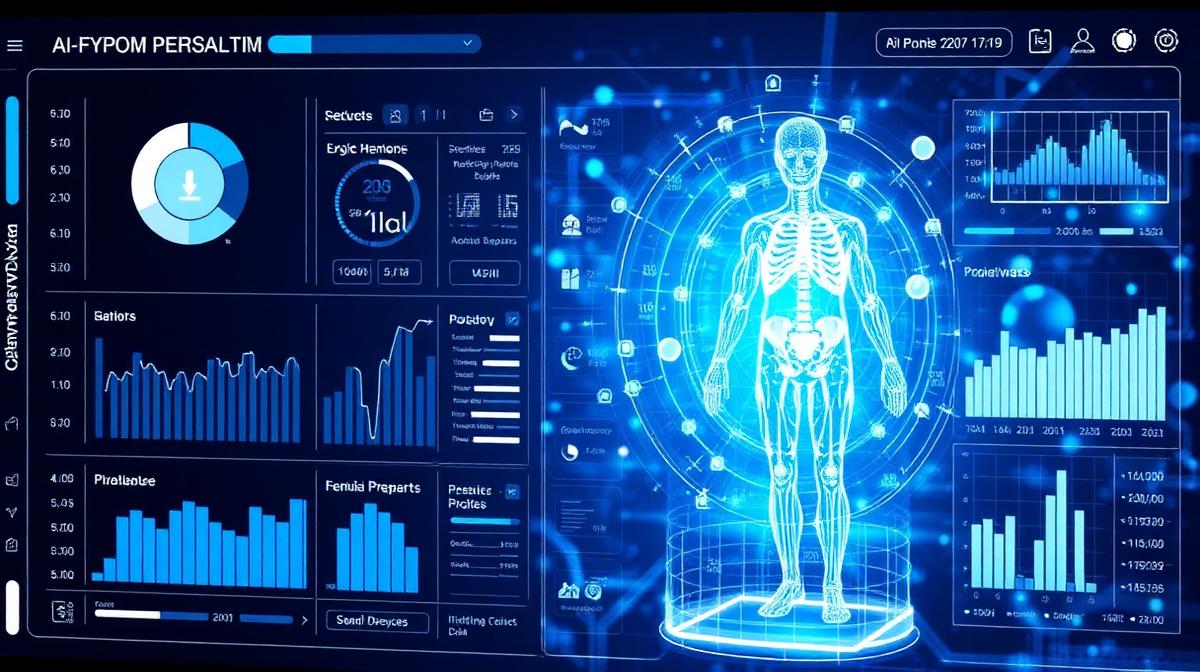
LongevityPlan.AI's platform applies predictive modeling to this data stack to generate individualized inflammation phenotypes and peptide therapy candidacy assessments. The Digital Twin for Predictive Performance™ integrates baseline biomarker profiles, genetic predispositions (via pharmacogenomics), lifestyle variables, and therapeutic responses over time to continuously refine peptide recommendations.
Concretely, this means: a 61-year-old with elevated hsCRP (3.8 mg/L), a gut report showing high LPS-producing bacteria, low HRV on their wearable, and early osteoarthritis on imaging might be flagged by predictive modeling as a candidate for the GLP-1 agonist pathway (direct anti-inflammatory joint action + metabolic benefit + gut immune modulation) and Tα1 (immune recalibration to address the innate immune dysregulation driving the LPS response), before considering BPC-157 for local joint injection.
AI-powered coaching improvements come from closing the loop: every three months, the platform re-analyzes biomarkers, wearable trends, and patient-reported outcomes (pain scores, cognitive function, sleep quality) to assess whether the peptide protocol is achieving measurable biological change.
A Buyer's and User's Guide: How to Think About Starting
Step 1: Get the Data
No peptide discussion is meaningful without baseline inflammatory biomarkers. At minimum: hsCRP, complete blood count, comprehensive metabolic panel, fasting insulin, and HbA1c. Ideally, add IL-6 and a full lipid panel with apolipoprotein B. If you are over 50, add a gut microbiome assessment and at least one epigenetic biological age test. This is not optional — it is the foundation of personalized medicine.
Step 2: Understand the Risk Hierarchy
The five peptides in this article do not carry equal regulatory and safety certainty. GLP-1 agonists are FDA-approved with a well-characterized risk profile. Thymosin Alpha-1 has 30 years of human clinical data across 35 countries. BPC-157 and TB-500 have compelling preclinical data but genuinely limited human trial data. LL-37 therapeutic administration is early-stage and not something that should be self-initiated outside a clinical trial context.
Step 3: Work With a Physician Who Has Actually Read the Literature
The longevity medicine community has developed a cohort of practitioners who are literate in peptide pharmacology. Organizations like the American Academy of Anti-Aging Medicine (A4M), Fountain Life's clinical network, and longevity-focused concierge practices are reasonable places to identify qualified physicians.
Step 4: The Non-Negotiable Foundations
Peptide therapy does not substitute for the behavioral foundations of low-inflammation living. The evidence base for sleep, exercise, and diet as anti-inflammatory interventions is vastly larger than the evidence base for any individual peptide. Slow-wave sleep is when tissue repair peptides are secreted, when inflammatory markers are cleared, and when the lymphatic system flushes neuroinflammatory waste products. Zone 2 aerobic training at 3–5 hours per week consistently reduces IL-6, TNF-α, and hsCRP in intervention studies. A Mediterranean-pattern diet rich in omega-3 fatty acids, polyphenols, and fermented foods demonstrably reduces the LPS-driven inflammatory signaling that LL-37 is designed to neutralize.
The honest framing: peptides are precision amplifiers of a system that is already working reasonably well. They are not the starting point. They are the optimization layer.
The Near Future: AI-Designed Peptides and the Next Frontier
The five peptides described in this article are, in biological terms, yesterday's news — they were discovered by conventional biochemistry, often by accident. The coming decade of peptide therapeutics will be defined by molecules that were designed rather than discovered, built to specification using generative AI models.
David Baker's Institute for Protein Design at the University of Washington, winner of the 2024 Nobel Prize in Chemistry alongside Demis Hassabis and John Jumper of Google DeepMind, has demonstrated that AI can generate novel protein and peptide structures with specified functions from first principles.¹⁸
The convergence of AlphaFold-class structural prediction, generative AI design, and high-throughput automated synthesis platforms means that the pipeline from identified inflammatory target to characterized peptide therapeutic will compress from decades to years. The next generation of anti-inflammatory peptides may be designed, synthesized, and characterized before this article has aged two years.
Conclusion
Chronic inflammation is not a mystery. Its biomarkers are measurable, its mechanisms are increasingly well-characterized, and its contribution to the functional decline and disease burden of aging is no longer disputed in serious medicine. The question has moved from whether to address it to how — with what precision, at what level of biological specificity, and with what commitment to ongoing data-driven monitoring.
The five peptides reviewed here — BPC-157, Thymosin Alpha-1, GLP-1 receptor agonists, Thymosin Beta-4, and LL-37 — represent a spectrum of evidence maturity, regulatory status, and mechanistic targets. They are not interchangeable, not universally appropriate, and not substitutes for the behavioral foundations of a low-inflammation life. They are precision instruments for specific biological problems, and their meaningful deployment depends on understanding which problem a given individual actually has.
That understanding requires data. It requires a sensor layer that captures inflammation biomarkers, metabolic function, sleep quality, and physical performance over time. It requires an intelligence layer that synthesizes this data into a coherent clinical picture. And it requires a practitioner who can interpret that picture and translate it into a monitored, sequenced, evidence-grounded Peptide Longevity Plan™ that is revised as the data evolves.
The Cardiorespiratory Digital Twin™ and similar integrative health platforms exist precisely because the human body does not present inflammation as a single, clean signal. It presents as HRV trends, CRP trajectories, joint symptoms, fatigue patterns, and cognitive variability — a multi-modal dataset that only AI-powered longitudinal analysis can synthesize into actionable intelligence. The goal is not immortality. It is more years of being genuinely, functionally, cognitively present. Peptide science, guided by data and precision, is one credible path toward that goal.
Endnotes & References
- Furman, D. et al. "Chronic inflammation in the etiology of disease across the life span." Nature Medicine, 25, 1822–1832 (2019).
- La Manna, S., Di Natale, C., Florio, D., Marasco, D. "Peptides as Therapeutic Agents for Inflammatory-Related Diseases." Int. J. Mol. Sci. 2018;19(9):2714.
- Kuo, C.-L. et al. "Inflammaging and biological age: interactions between inflammation biomarkers and telomere attrition." The Journals of Gerontology, 2021.
- Wang, L. et al. "Therapeutic peptides: current applications and future directions." Signal Transduction and Targeted Therapy 7, 48 (2022).
- Vasireddi, N. et al. "Emerging Use of BPC-157 in Orthopaedic Sports Medicine: A Systematic Review." HSS Journal. 2025.
- McGuire, F.P. et al. "Regeneration or Risk? A Narrative Review of BPC-157 for Musculoskeletal Healing." Curr Rev Musculoskelet Med. 2025;18(12):611–619.
- Vasireddi et al. "S808 Oral Peptide BPC-157—An Emerging Adjunct to GI Medicine." American Journal of Gastroenterology. 2025.
- Simonova, M. et al. "Aging and Thymosin Alpha-1." International Journal of Molecular Sciences. 2025;26(23):11470.
- Liu, Y. et al. "Thymosin alpha-1 reduces mortality in severe COVID-19 and restores T-cell function." Clinical Infectious Diseases, 2020.
- Dinetz, E. & Lee, E. "Comprehensive review of the safety and efficacy of Thymosin alpha 1 in human clinical trials." Alternative Therapies in Health and Medicine. 2024;30(1):6–12.
- Wong, C.K. & Drucker, D.J. "Antiinflammatory actions of glucagon-like peptide-1–based therapies beyond metabolic benefits." J Clin Invest. 2025;135(21):e194751.
- Sakthivel, S. et al. "Impact of SGLT2 Inhibitors and GLP-1 Agonists on RA Flares in Patients on DMARD Therapy." ACR Convergence 2025.
- Zhang, Y. et al. "Semaglutide ameliorates osteoarthritis progression through a weight loss-independent metabolic restoration mechanism." Cell Metabolism. 2026.
- Appleton, T. & Berenbaum, F. "GLP-1 Receptor Agonists in Osteoarthritis." ACR Convergence 2025.
- Smart, N. et al. "Thymosin beta-4 induces adult epicardial progenitor mobilization and neovascularization." Nature 445, 177–182 (2007).
- Holford, M. et al. "Balancing the Bioactive Peptide Landscape." ACS Chem. Biol. 2018;13(10):2878–2882.
- Agerberth, B. et al. Multiple publications on LL-37 and innate immunity in aging. Karolinska Institutet, 2020–2025.
- Baker, D. "De novo design of protein structure and function with RFdiffusion." Nature 620, 1089–1100 (2023).