Longevity
·18 min read
Optimism as Medicine
How Mental Attitudes Shape Physiological Health — Mechanistic Insights into Stress, Immunity, Cellular Aging, and Healthspan
By Tony Medrano & Molly Bunting, LongevityPlan.AI

A science-based exploration of how optimism and positive mental attitudes modulate neuroendocrine signaling, immune function, and stress physiology to enhance physical resilience, optimize fitness outcomes, accelerate recovery, and promote extended healthspan and longevity.
The Overlooked Prescription: Your Mindset Is a Biomarker
Every high-performing athlete, elite military operator, and longevity-focused executive already knows it intuitively: attitude is performance. But what if that intuition is not merely motivational wisdom — what if it is deeply, measurably biological? A growing body of rigorous science now confirms that optimism — the stable expectation that good things will happen and that challenges can be overcome — acts as a genuine physiological intervention, reshaping neuroendocrine signaling, immune architecture, cellular aging, and cardiovascular resilience in ways that rival many pharmacological interventions.
This is not the language of a self-help book. It is the language of the Proceedings of the National Academy of Sciences, The Annals of Behavioral Medicine, Psychosomatic Medicine, JAMA Network Open, and the Harvard T.H. Chan School of Public Health. The science has arrived. The mind–body connection — once dismissed as imprecise or difficult to operationalize — is now documented at the level of cortisol curves, telomere base pairs, NK cell counts, and inflammatory cytokine panels. The question for high performers — athletes extending their careers, executives managing cognitive load at 55, longevity-focused individuals thinking decades ahead — is: how do you deploy it?
"Happiness doesn't just feel good — it is good."— Martin Seligman, Ph.D., Founder of Positive Psychology, University of Pennsylvania
As Tony Medrano, CEO of LongevityPlan.AI, has written across his body of longevity science work: "You have a retirement plan. But what's your longevity plan?" Mental attitude is increasingly becoming a trackable, optimizable variable in that plan — one that interacts with every biomarker from cortisol to telomere length to interleukin-6. And crucially, optimism's effects are not confined to how long you live. They determine how well you live across every decade. That distinction — between lifespan and healthspan — is the central mission of precision longevity medicine, and optimism sits squarely at its core.
Healthspan, as distinct from lifespan, refers to the years an individual remains physically vigorous, cognitively sharp, immunologically resilient, and free from the chronic diseases that define late-life decline. Research from the Stanford Center on Longevity, Harvard Chan School, and University College London now consistently demonstrates that the psychological dimension of healthspan — specifically, dispositional optimism, positive affect, and sense of purpose — is among the strongest modifiable predictors of prolonged disease-free vitality. This article explains how, mechanistically, that works.
What This Article Covers
We examine: (1) the neuroendocrine biology of dispositional optimism and cortisol regulation; (2) three deep-dive case studies in mind–body physiology; (3) immune system modulation through positive affect; (4) the telomere connection; (5) cardiovascular and mortality outcomes from large cohort studies; (6) a focused analysis of LeBron James as the world's most publicly documented athletic mind–body optimization case study; (7) broader athletic performance and growth mindset science; (8) AI-driven longevity platforms integrating psychological biomarkers; and (9) practical protocols backed by the latest research.
The Neuroendocrine Machinery: How Optimism Gets Under the Skin
The central question in mind–body medicine has always been mechanistic: how exactly does a mental state translate into a biological outcome? The answer lies primarily in two interlocking systems: the hypothalamic-pituitary-adrenal (HPA) axis and the sympathetic-adrenomedullary (SAM) system — the two major physiological stress-response pathways governing everything from inflammation to cardiovascular function to immune regulation.
When the brain's threat-detection circuitry — centered in the amygdala and anterior cingulate cortex — perceives danger or anticipates negative outcomes, it sends a cascade of signals downward through the neuraxis. The hypothalamus fires, stimulating the pituitary to release adrenocorticotropic hormone (ACTH), which drives the adrenal cortex to secrete cortisol. Simultaneously, the SAM system activates the adrenal medulla to release epinephrine and norepinephrine. In acute doses, these responses are adaptive. But chronically elevated cortisol — the biological signature of persistent pessimism, anxiety, and negative expectancy — is corrosive at the cellular level: it suppresses T-cell and natural killer (NK) cell production, promotes systemic inflammation via IL-6 and TNF-α, impairs hippocampal neurogenesis, disrupts gut microbiome diversity, and accelerates cardiovascular disease progression.
The Cortisol Awakening Response: Optimism's Morning Signature
One of the most robust and replicated findings in the psychoneuroimmunology literature is the relationship between dispositional optimism and the cortisol awakening response (CAR) — the sharp spike in cortisol that occurs in the 30–45 minutes after waking. The CAR is a sensitive index of HPA axis reactivity and is meaningfully modulated by psychological outlook.
In a landmark study of 543 healthy men and women (mean age 62.9), Professor Andrew Steptoe and colleagues at University College London found that optimism was significantly and independently associated with an attenuated cortisol awakening response, even after controlling for age, sex, BMI, smoking, depressive symptoms, and time of awakening (β = −0.12, p ≤ .05). Optimists woke up with a blunter cortisol spike. They weren't less responsive to the world; they simply perceived it through a lens that required less emergency mobilization from their endocrine system. [1]
"Dispositional optimism may confer benefits to the individual through attenuated hypothalamic-pituitary-adrenal axis response to waking in everyday life."— Steptoe et al. (2011), Psychosomatic Medicine
Complementary research demonstrated that Best Possible Self (BPS) psychological interventions — in which participants spend 20 minutes daily visualizing an ideal future self — directly reduce both the CAR and acute cortisol stress reactivity over time [2]. BPS participants showed decreased worrying, increased positive affect, and measurably attenuated HPA reactivity within weeks. This matters profoundly for healthspan: chronically elevated CARs across years of adulthood are associated with accelerated cardiovascular aging, impaired immune function, metabolic dysregulation, and earlier onset of age-related cognitive decline.
Vagal Tone, Heart Rate Variability, and the Autonomic Signature of Positive Affect
Beyond the HPA axis, optimism regulates the autonomic nervous system through increased parasympathetic tone, measurable as heart rate variability (HRV). Barbara Fredrickson, Ph.D. — Kenan Distinguished Professor of Psychology at University of North Carolina at Chapel Hill — has demonstrated through her Broaden-and-Build Theory that positive emotions produce faster cardiovascular recovery from stress through a distinct "undoing effect." [3] In controlled laboratory experiments, participants who experienced mild positive emotions following anxiety-inducing tasks showed significantly faster return of heart rate, blood pressure, and peripheral vasoconstriction to baseline compared to participants in neutral or sad conditions — a direct hemodynamic effect mediated through increased vagal tone.
"Positive emotions broaden people's momentary thought–action repertoires, which in turn builds enduring personal resources — physical, intellectual, and social."— Barbara L. Fredrickson, Ph.D., University of North Carolina at Chapel Hill
WHOOP, the wearable performance platform used by NBA and NFL players and Olympic athletes, tracks HRV as its primary readiness metric. Its data science team has documented that athletes in the highest HRV quartiles show 30–40% lower injury incidence and recover from training load approximately 25% faster than those in the lowest quartile. The psychoneuroimmunology literature is unambiguous: sustained positive affect and low dispositional pessimism are among the most potent predictors of high resting HRV — and thus superior training adaptability, injury resilience, and cardiovascular longevity.
Deep Dive: Three Case Studies in Mind–Body Physiology
To make the science concrete, it is worth examining three specific, rigorously documented examples where the mind–body connection translates directly into measurable physiological outcomes with direct implications for healthspan.
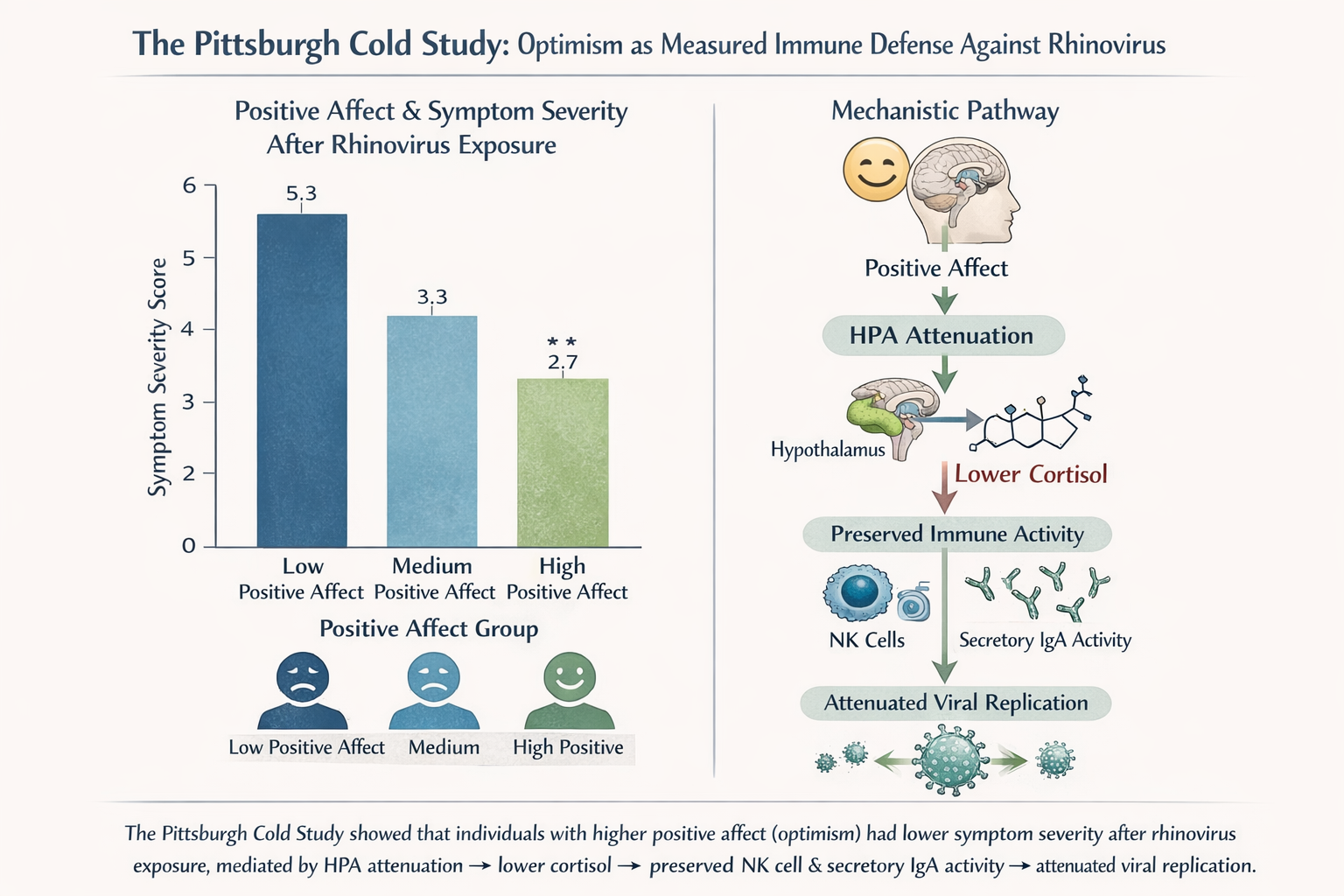
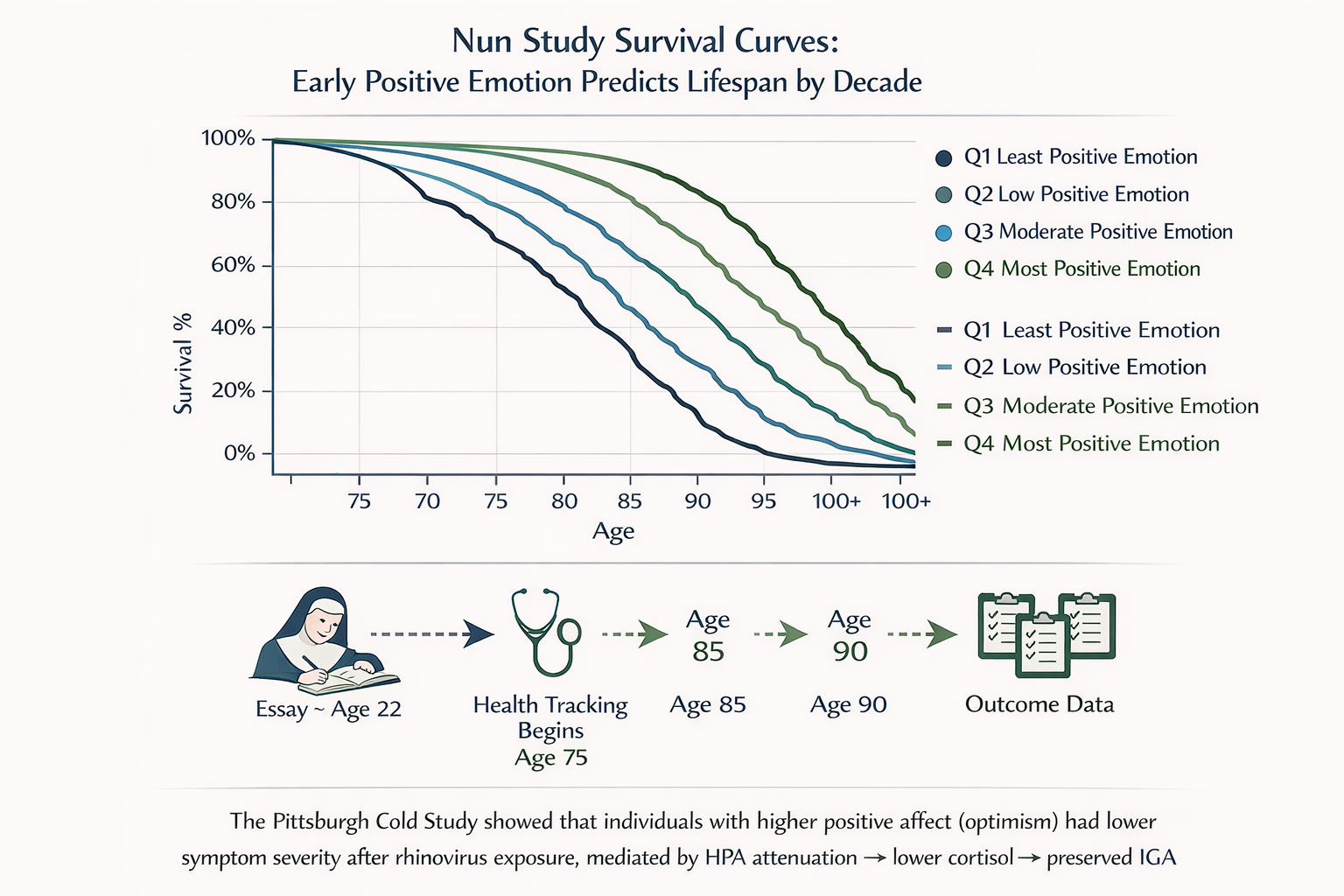 In Sheldon Cohen's Pittsburgh Cold Study, individuals reporting the highest positive affect before viral challenge developed significantly fewer objective cold symptoms — a direct demonstration that psychological state modulates in vivo immune defense.
Case Study 1: The Pittsburgh Cold Study — Positive Affect as Real-Time Immune Defense
Perhaps the most direct demonstration of the mind–body connection in immune function comes from a series of elegant controlled experiments by Dr. Sheldon Cohen, Robert E. Doherty University Professor of Psychology at Carnegie Mellon University. In the Pittsburgh Cold Studies, quarantined healthy volunteers were deliberately inoculated with rhinovirus or influenza A virus and monitored for objective infection signs under controlled conditions. Emotional styles were assessed prior to viral exposure.
Individuals reporting consistently higher positive affect were significantly less likely to develop objective cold symptoms even when the same quantity of virus was administered. Among those who did develop symptoms, high-positive-affect individuals showed milder illness and lower inflammatory cytokines in nasal wash samples. [4] The biological mechanism involves multiple pathways: positive affect is associated with higher secretory immunoglobulin A (sIgA) in mucosal secretions and more robust NK cell cytotoxic activity against virally infected cells. Respiratory infections in older adults drive hospitalizations, accelerate physical deconditioning, and impose inflammatory burden that can trigger or worsen chronic disease. An optimism-driven immune advantage that reduces frequency and severity of infectious illness across decades of adult life represents a genuine and compounding healthspan dividend.
Case Study 2: The Nun Study — Early Positive Emotion as a 60-Year Longevity Predictor
One of the most remarkable longitudinal investigations in longevity research is the Nun Study, conducted by David Snowdon at the University of Kentucky and colleagues. Researchers analyzed autobiographical essays written by young Catholic sisters in the 1930s — before entering religious life — and tracked the health and survival of those same individuals over the following six decades.
The linguistic analysis, published by Danner, Snowdon, and Friesen in 2001, found that the density of positive emotional content in these early-life essays powerfully predicted survival 60 years later. [18] Nuns in the highest quartile of positive emotional expression lived an average of 9.4 years longer than those in the lowest quartile. By age 85, 90% of the most cheerful nuns were still alive compared to only 34% of the least cheerful. Critically, these women lived virtually identical external lives: same diet, same work, same community, same healthcare access. The primary variable separating the survivors was their internal psychological orientation, expressed in writing at age 22.
"The density of positive emotional content in early-life autobiographical writing predicted survival six decades later — a 9.4-year longevity advantage for the most emotionally positive quartile."— Danner, Snowdon & Friesen (2001), Journal of Personality and Social Psychology
The mind–body connection at work in the Nun Study operates through cumulative mechanisms. Decades of attenuated cortisol burden, more robust immune surveillance, lower chronic inflammation, and superior cardiovascular regulation — each compounding slightly each year — produce the dramatic survival differences observed in older age. This is not a metaphysical finding. It is a quantitative demonstration that psychological orientation, established early in life, programs biological aging trajectories across an entire lifespan.
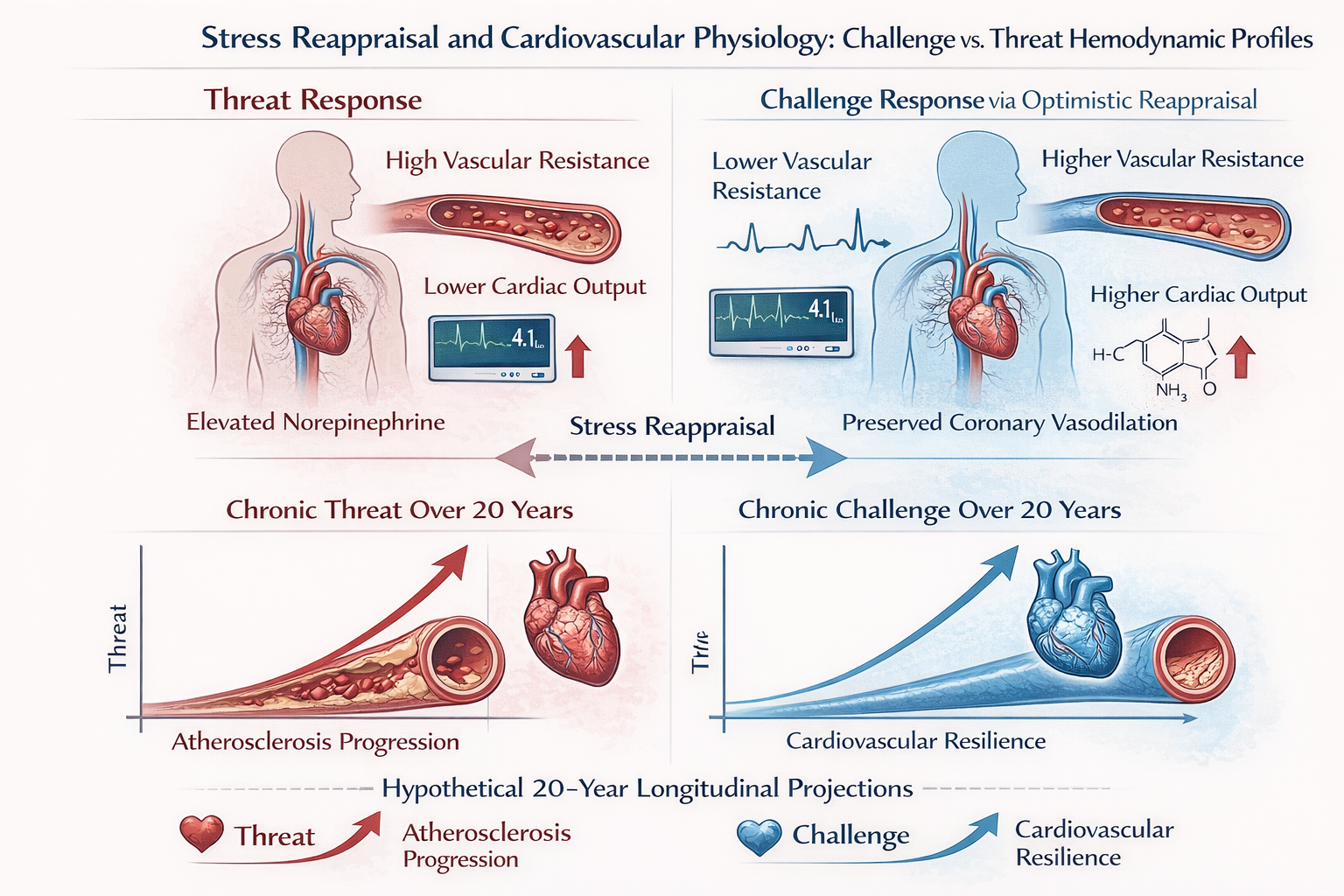 The Nun Study: sisters in the top quartile of early-life positive emotional expression outlived the least positive quartile by an average of 9.4 years — a compounding biological advantage accumulated silently across six decades of identical external living conditions.
Case Study 3: Jamieson's Stress Reappraisal — When Anxiety Becomes Performance
A third compelling demonstration of mind–body physiology comes from the laboratory of Jeremy Jamieson, Ph.D., Associate Professor of Psychology at the University of Rochester. His work on "stress reappraisal" shows that the cognitive framing of physiological arousal produces fundamentally different biological outcomes even when the arousal itself is identical.
In a landmark study, Jamieson and colleagues showed that participants instructed to reappraise their anxiety as excitement before a high-stakes evaluation task outperformed controls, showed more efficient cardiovascular profiles (higher cardiac output, lower vascular resistance — the "challenge" rather than "threat" hemodynamic signature), and had lower salivary alpha-amylase indicating reduced sympathetic nervous system activation. The reappraisal required no training, no months-long intervention — just a brief cognitive reframe that changed the meaning of the physiological experience.
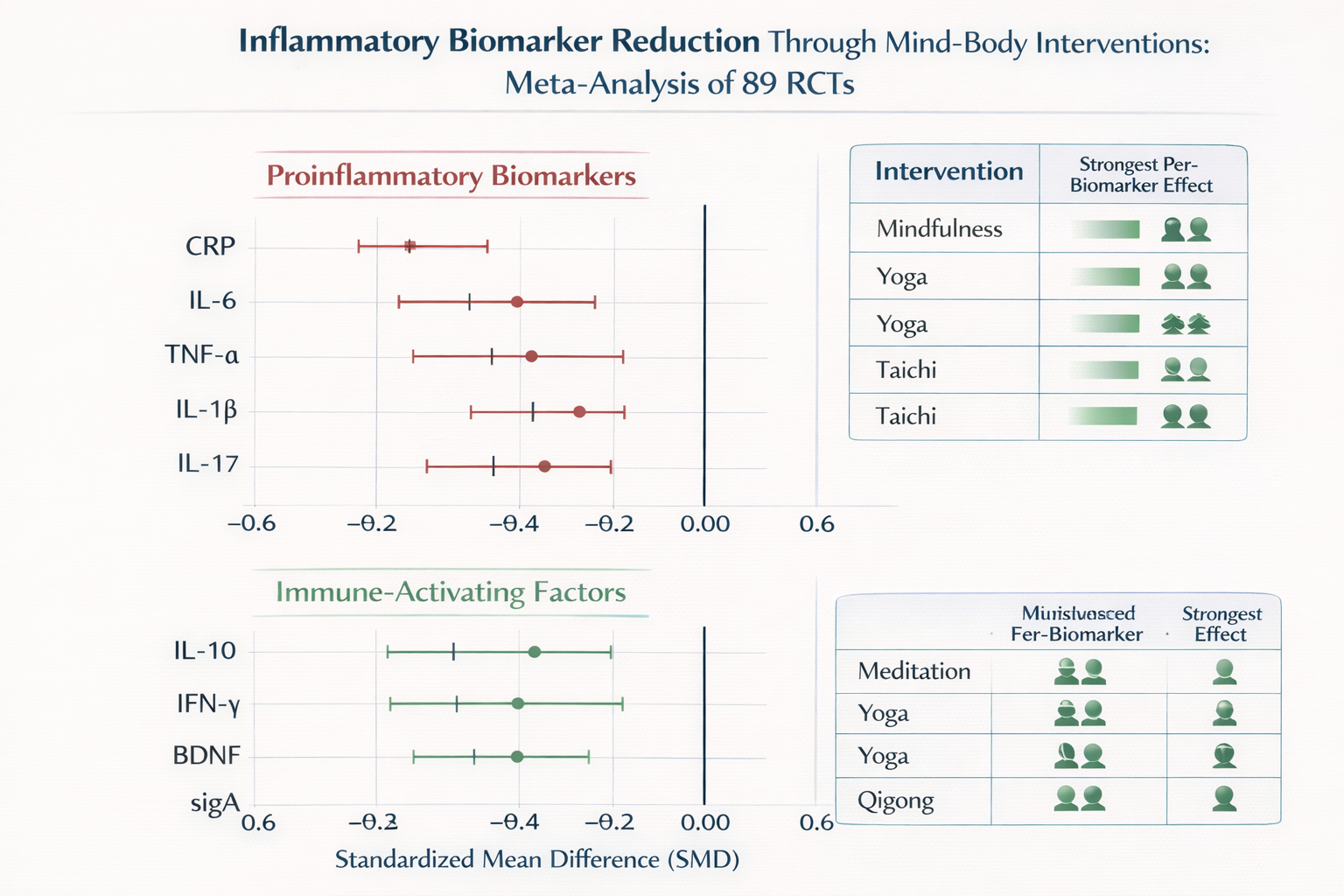 Jamieson's research shows that optimistic cognitive framing of physiological arousal shifts the cardiovascular profile from a 'threat' hemodynamic pattern (accelerated arterial aging) to a 'challenge' pattern (cardiovascular protection) — with no pharmacological intervention.
The implications for elite performance and longevity are profound. The cardiovascular "threat" response — characterized by high vascular resistance, reduced cardiac output, and elevated norepinephrine — is the hemodynamic profile associated over decades with accelerated atherosclerosis, hypertension, and cardiovascular mortality. The "challenge" response profile — produced by optimistic reappraisal — is cardiovascularly protective. An athlete or executive who routinely interprets high-pressure situations as challenges rather than threats is not just performing better in the moment; they are building a measurably different cardiovascular aging trajectory across years of repeated exposures.
The Immune System: Optimism as a Biological Shield
The immune–brain interface is bidirectional, and this bidirectionality is the defining feature of the mind–body connection in immunology. Chronic stress and negative affect drive proinflammatory cytokine production — particularly interleukin-6 (IL-6), tumor necrosis factor-alpha (TNF-α), and C-reactive protein (CRP) — creating the conditions for accelerated cardiovascular disease, metabolic dysfunction, cognitive decline, neurodegeneration, and cancer progression. Optimism appears to be one of the most potent natural modulators of this inflammatory cascade.
A comprehensive 2024 meta-analysis across 89 randomized controlled trials found that mind–body interventions significantly decreased CRP, IL-6, TNF-α, IL-1, and IL-17 while increasing anti-inflammatory factors including IL-10, IFN-γ, BDNF, and sIgA. [5] These biomarker profiles predict cardiovascular resilience, reduced cancer risk, and early mortality risk reduction. For organizations deploying platforms like Lyra Health or Spring Health — AI-driven mental health solutions used by some of the largest employers in the world — employee psychological well-being optimization is increasingly framed not merely as HR policy but as a genuine immunological investment.
NK Cells, T-Cells, and Vaccination Response
Optimistic individuals have higher levels of natural killer (NK) cell activity — the immune system's frontline force against viral infections and malignant cells. They also show more robust CD4+ T-helper cell responses to antigenic challenge. Critically, optimism predicts vaccine efficacy: studies at Carnegie Mellon University show that individuals reporting higher positive affect generate stronger antibody responses to influenza vaccination — a finding with direct implications for immunosenescence, the age-related immune decline that makes older adults progressively more vulnerable to infectious and malignant disease.
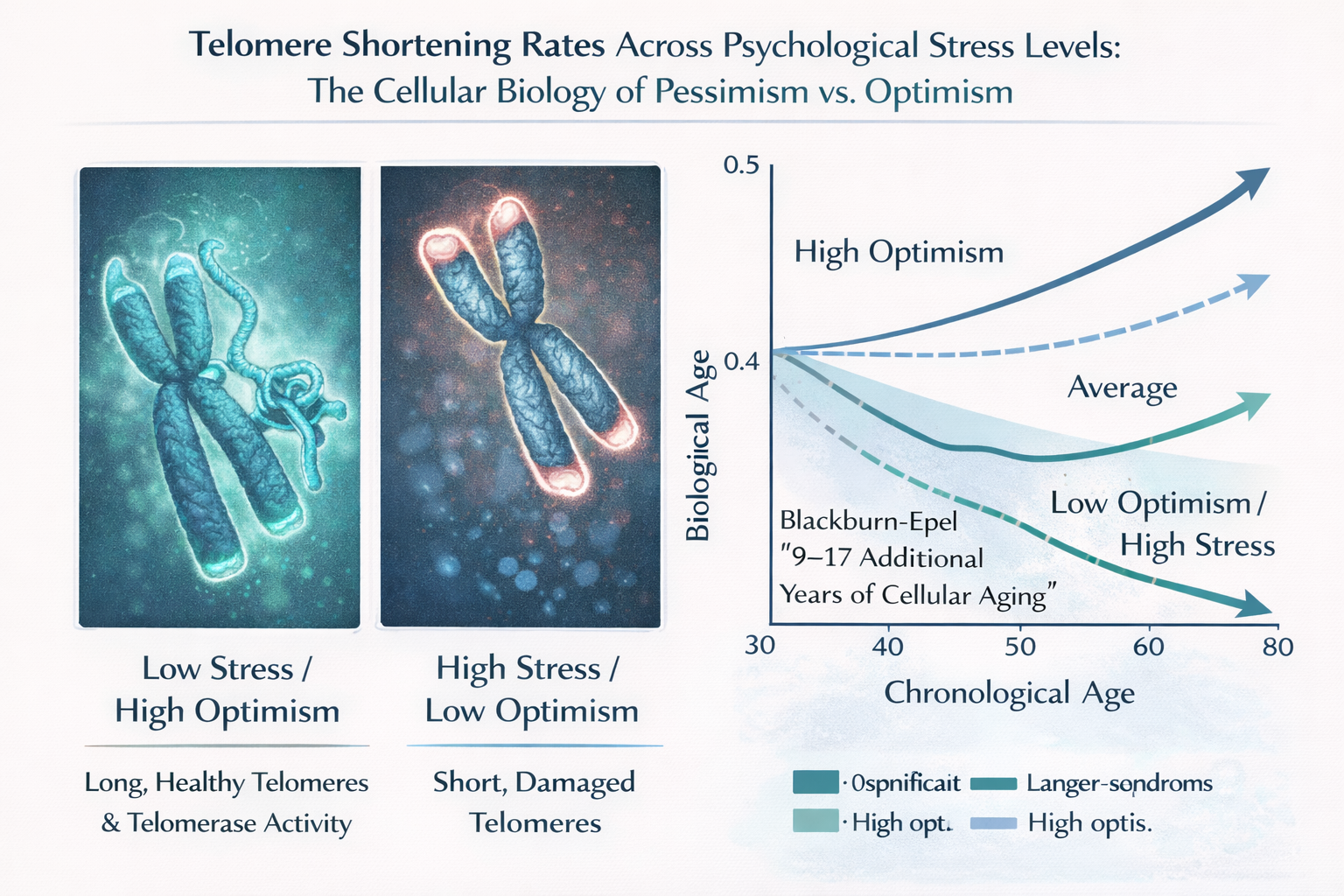 A 2024 meta-analysis of 89 randomized controlled trials confirms that mind-body interventions produce systematic reductions in proinflammatory cytokines and increases in immune-activating factors — the biological signature of optimism's protective effect on the immune system.
Telomeres: The Molecular Timestamp of Your Mental State
If there is one molecular finding that most dramatically illustrates the mind–body connection, it is the telomere–stress relationship. Telomeres are the protective DNA-protein structures capping the ends of chromosomes. Each time a somatic cell divides, telomeres shorten. When they shorten beyond a critical threshold, cells enter replicative senescence or undergo apoptosis. The accumulation of senescent cells — driving inflammation through the "senescence-associated secretory phenotype" (SASP) — is one of the primary molecular drivers of biological aging.
The Blackburn-Epel Discovery: Stress Accelerates Cellular Aging
In a landmark 2004 PNAS study, Nobel Laureate Elizabeth Blackburn (then at UC San Francisco) and health psychologist Elissa Epel published the first direct evidence that psychological stress accelerates telomere shortening at a measurable rate. [6] Women under the highest levels of chronic caregiving stress had telomeres shorter by the equivalent of approximately 9–17 additional years of biological aging compared to low-stress controls. Telomerase activity — the enzyme that lengthens and repairs telomeres — was also significantly reduced in the high-stress group.
"Telomeres listen to you — they listen to your behaviors, they listen to your state of mind."— Elizabeth Blackburn, Ph.D., Nobel Laureate, Salk Institute for Biological Studies
The inverse relationship — that psychological optimization can stabilize or partially reverse telomere shortening — has since been demonstrated in multiple independent studies. A three-month intensive meditation retreat produced significantly greater telomerase activity compared to matched waiting-list controls. Vigorous aerobic exercise buffers the telomere-shortening effects of high chronic stress, with optimistic individuals showing greater exercise adherence and therefore greater access to this protection. Blackburn and Epel's synthesis identified optimism, mindfulness, and self-compassion as the psychological states most consistently associated with telomere stabilization — not because these states are abstractly positive, but because they produce measurable reductions in HPA axis activation, oxidative stress, and inflammatory cytokine production. The healthspan implications are compounding: an individual who maintains even modestly longer telomeres across their 40s and 50s through psychological optimization arrives at their 70s with measurably better biological age — more immune reserve, more cardiovascular resilience, more cognitive vitality.
 Blackburn and Epel's landmark research shows that chronically stressed women exhibit telomere lengths equivalent to 9–17 additional years of biological aging — and that optimism, mindfulness, and stress-resilience practices can stabilize or partially reverse this cellular aging trajectory.
TruDiagnostic — the epigenetics company partnered with Harvard and Yale — now offers biological age testing including methylation clocks and telomere analysis across more than 950,000 genomic loci, generating an 85-page personalized aging report. Tally Health, founded by Harvard aging researcher David Sinclair, Ph.D., uses a DNA methylation model via cheek swab validated on more than 8,000 individuals. The next evolution for both platforms — and for LongevityPlan.AI's integrated approach — is the systematic incorporation of psychological state variables as formal inputs to biological age modeling.
Cardiovascular Health and Longevity: The Numbers Are Striking
The most compelling evidence for optimism as medicine comes from large prospective cohort studies examining hard endpoints — cardiovascular events and all-cause mortality — across tens of thousands of participants followed for years or decades.
The PNAS Longevity Study: 11–15% Longer Lifespans
In a landmark 2019 study published in the Proceedings of the National Academy of Sciences, researchers from Harvard T.H. Chan School of Public Health — led by Dr. Lewina Lee and senior author Dr. Laura Kubzansky — followed 69,744 women and 1,429 men for up to 30 years. [7] People with the highest levels of dispositional optimism showed 11–15% longer average lifespans than the least optimistic quartile, independently of health behaviors, socioeconomic factors, depression, and baseline health status.
"These results suggest that optimism may be an important target for interventions designed to promote longevity and exceptional survival to older ages."— Lee et al. (2019), Proceedings of the National Academy of Sciences
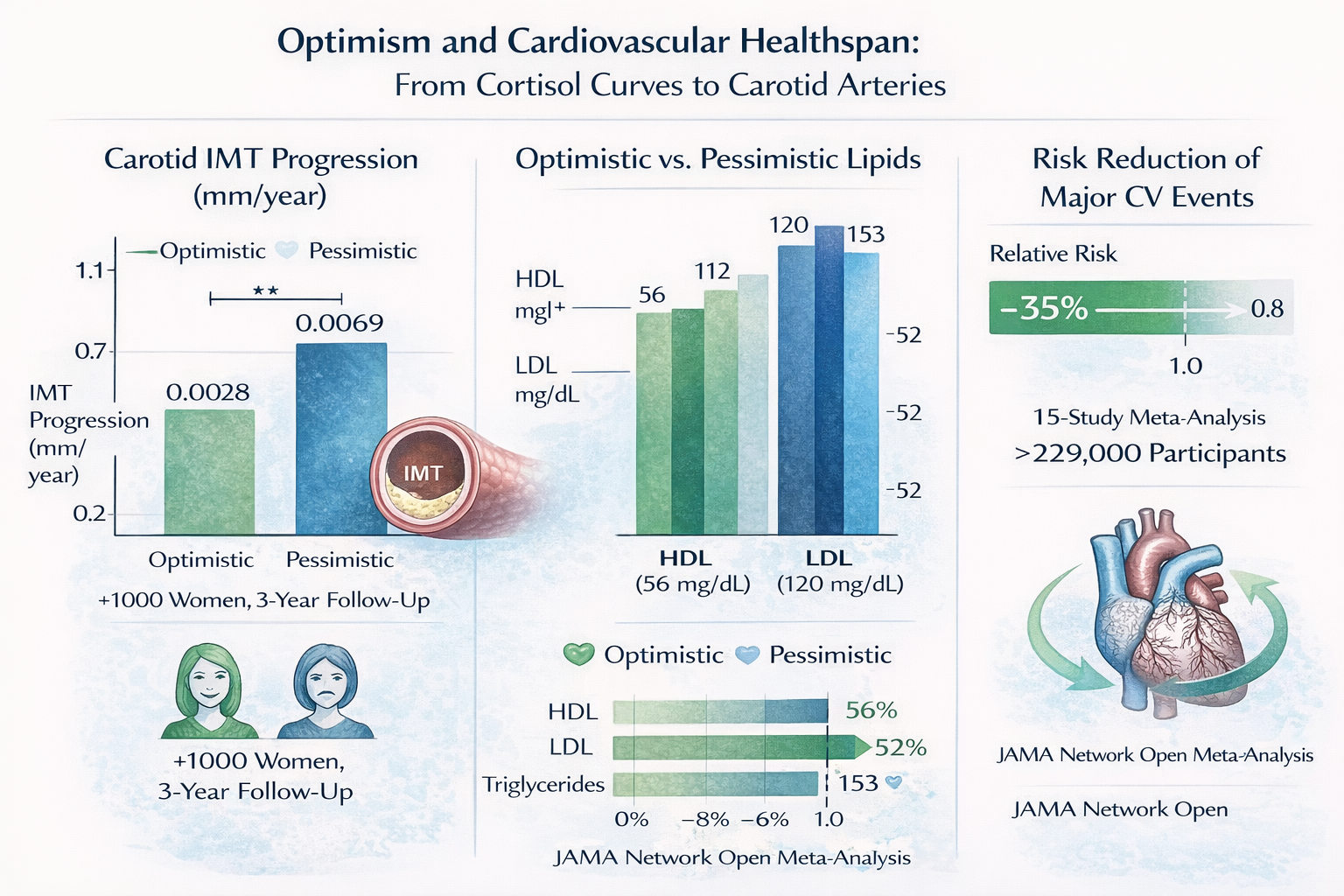
A separate 2019 meta-analysis published in JAMA Network Open, encompassing 15 prospective studies and more than 229,000 participants, found that optimism was associated with a statistically significant reduction in cardiovascular events and all-cause mortality. [8] The relative risk reduction for major cardiovascular events ranged from 8% to 35% across included studies — comparable to the cardiovascular benefit of moderate aerobic exercise training.
Lipids, Atherosclerosis, and the Optimism Advantage
Professor Julia Boehm (Chapman University), collaborating with Laura Kubzansky at Harvard Chan, has shown that optimism is associated with more favorable lipid profiles in midlife — higher HDL cholesterol and lower triglycerides — independent of diet and exercise. [9] In a separate analysis using carotid artery ultrasound, optimistic women showed significantly less progression of intima-media thickness (IMT) — a validated preclinical measure of atherosclerosis. Prof. Angela Duckworth, Ph.D. (University of Pennsylvania) has established through her research on grit that the belief in one's capacity to improve — an optimistic orientation — is the strongest predictor of long-term adherence to health-protective behaviors.
 From attenuated atherosclerosis progression to a 35% reduction in cardiovascular event risk — optimism's cardiovascular protective effects operate through direct neuroendocrine pathways and behavioral amplification across decades of adult life.
LeBron James: The World's Greatest Mind–Body Optimization Case Study
No discussion of the mind–body connection in elite performance would be complete without examining the most publicly documented case in sports history: LeBron James at 40. His 22-season NBA career — sustained at elite statistical levels well past the age at which most professional athletes retire — represents the single most visible integration of psychological optimization with physiological longevity in modern athletics.
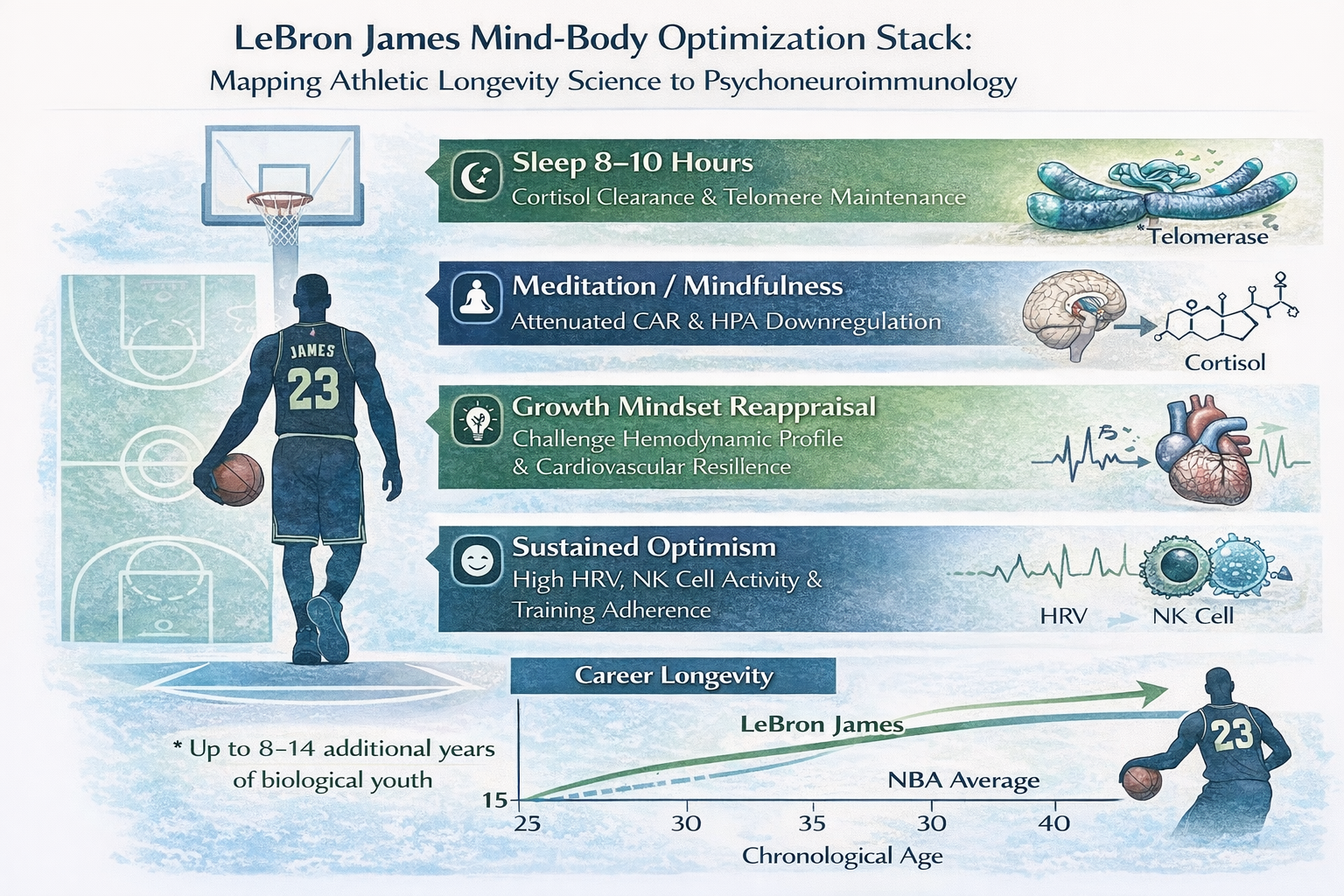
LeBron reportedly invests $1.5 million annually in body maintenance — including cryotherapy, hyperbaric oxygen therapy, specialized nutrition, and a comprehensive sleep protocol. But the psychological dimension of his longevity is equally documented and scientifically significant. His growth mindset orientation, his public meditation and mindfulness practice, his deliberate framing of competitive pressure as energizing rather than threatening, and his consistent expression of career optimism all map directly onto the biological mechanisms reviewed in this article.
James has been repeatedly open about the dual nature of his longevity investment. His body maintenance program — documented in the Netflix docuseries Starting 5 and reported across outlets including Fortune and Sports Illustrated — reportedly reaches $1.5 million annually and includes cryotherapy, hyperbaric oxygen chambers, red light therapy, NormaTec leg compression, precision nutrition, and 8–10 hours of nightly sleep. His trainer Mike Mancias has stated publicly: "Off days are vital. Off days give us an opportunity to work on the body." But what separates James from athletes with equally sophisticated physical protocols is the equal weight he places on the psychological side of performance.
"Before you can win the game on the basketball court, you need to win the mental and emotional game in your mind."— LeBron James, 4x NBA Champion, Los Angeles Lakers
The Psychology of Year 22: Growth Mindset in Practice
James openly credits meditation — including documented in-game meditation on the bench during high-pressure moments — as a cornerstone of his sustained performance. He has collaborated with the Calm app to create a mental fitness course for athletes, in which he teaches the cultivation of present-moment focus, emotional regulation, and optimistic reappraisal of adversity. His description of flow state as a "superpower" in which "my teammates, the ball, and the rim — that's all that exists" maps precisely onto Csikszentmihalyi's scientific model of parasympathetic engagement and default mode network suppression that underlies the flow state's physiological benefits.
After losing the 2011 NBA Finals, James famously spent the summer overhauling not just his post-game and physique but his psychological approach to competition. He later stated: "After the loss to Dallas in the 2011 Finals, I knew that the physical side wouldn't be enough…once I started to build the physical side and elevate the mental side of my approach, that's when it changed for me." This is Jamieson's stress reappraisal in action: a high-stakes loss reframed as diagnostic information rather than evidence of inadequacy. The biological consequence, repeated across thousands of training sessions and competitions, is a nervous system that does not accumulate the allostatic damage of fixed-mindset threat responses.
From the psychoneuroimmunology perspective, James's approach is a remarkably well-integrated optimization stack. His sleep-first philosophy directly protects telomere maintenance (cortisol clearance during slow-wave sleep), his meditation practice attenuates the cortisol awakening response (precisely the Steptoe/UCL finding), his growth mindset orientation produces the cardiovascular "challenge" hemodynamic profile under pressure (the Jamieson mechanism), and his consistent optimism about his physical ceiling drives the sustained training adherence that is the behavioral expression of the Duckworth grit research. Platforms like Oura Ring and Eight Sleep — both used by NBA athletes — provide the biometric feedback loop that allows athletes like James to track the physiological outputs of this integrated mind–body system in real time: HRV, sleep architecture, recovery readiness, and training load response.
The Broader Lesson: Replicating the LeBron Model at Every Level
The LeBron James model is instructive not because of the $1.5 million price tag — but because of the underlying logic that can be replicated at every level of performance and every stage of life. The mind–body optimization framework James employs is structurally identical to what the science prescribes for any individual seeking to extend their healthspan: prioritize sleep as the primary recovery and cortisol-clearance mechanism, use mindfulness and meditation to attenuate HPA axis reactivity, cultivate a growth-mindset orientation that converts adversity into information rather than threat, and maintain consistent optimism about what is physiologically possible with sustained effort. For executives managing the cognitive demands of leadership at 50, for aging athletes seeking to extend their competitive window, for individuals simply trying to arrive at 75 in better biological condition than their chronological age would predict — the LeBron framework, stripped of the luxury protocols and grounded in the underlying science, is accessible to anyone.
 LeBron James's 22-season NBA longevity is the world's most publicly documented integration of mind-body optimization science: sleep-first recovery protects telomeres, meditation attenuates cortisol, growth mindset produces cardiovascular resilience, and sustained optimism maintains the HRV and immune function that make elite physical performance possible at 40.
The Athletic Edge: Growth Mindset, HRV, and Performance Science
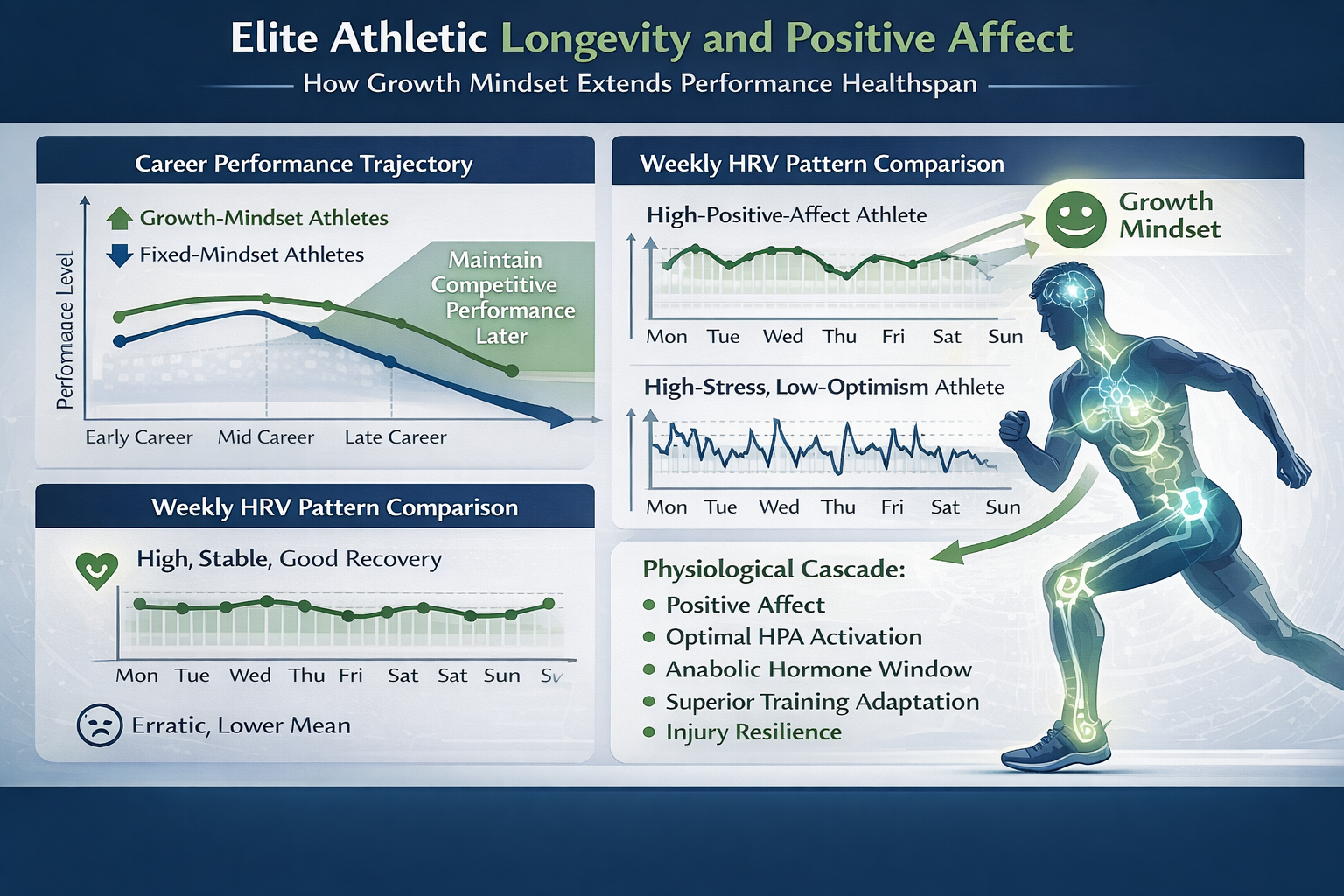
Beyond LeBron James, the broader literature on athletic performance and psychological orientation reveals a consistent pattern. Carol S. Dweck, Ph.D. — Lewis and Virginia Eaton Professor of Psychology at Stanford University and member of the National Academy of Sciences — has documented across decades of research that athletes with a growth mindset outperform fixed-mindset peers not merely motivationally but physiologically, through the compounding effects of superior training consistency, injury-catastrophizing reduction, and rehabilitation adherence. [10]
"Almost every truly great athlete has had a growth mindset. Not one of them rested on their talent; they constantly stretched themselves, analyzed their performance, and addressed their weaknesses."— Carol S. Dweck, Ph.D., Stanford University
The NFL has invested substantially in performance analytics, with teams including the Kansas City Chiefs deploying integrated data platforms combining GPS tracking, force plate data, sleep monitoring, and HRV measurement. Research from the NBA Performance Lab and US Olympic Training Centers demonstrates that athletes with consistently higher readiness scores — correlated with lower psychological stress, higher positive affect, and greater sleep quality — sustain fewer soft-tissue injuries and show superior late-season performance consistency.
Formula 1 provides one of the most demanding real-world laboratories for studying optimism under extreme physiological stress. During a race, F1 drivers sustain heart rates of 170–180 BPM for up to two hours, endure 5G lateral cornering forces, and make up to 3,000 steering inputs. Elite drivers who sustain decade-long careers are distinguished not merely by raw physical conditioning but by their capacity to maintain the cardiovascular "challenge" profile when facing dangerous situations at 200 miles per hour — the Jamieson reappraisal effect operating at its most extreme.
 Growth-mindset athletes demonstrate superior career longevity, faster training adaptation, and greater injury resilience — the physiological output of a mind-body system that interprets challenge as opportunity rather than threat.
AI-Powered Longevity Planning: Where Psychology Meets Precision Medicine
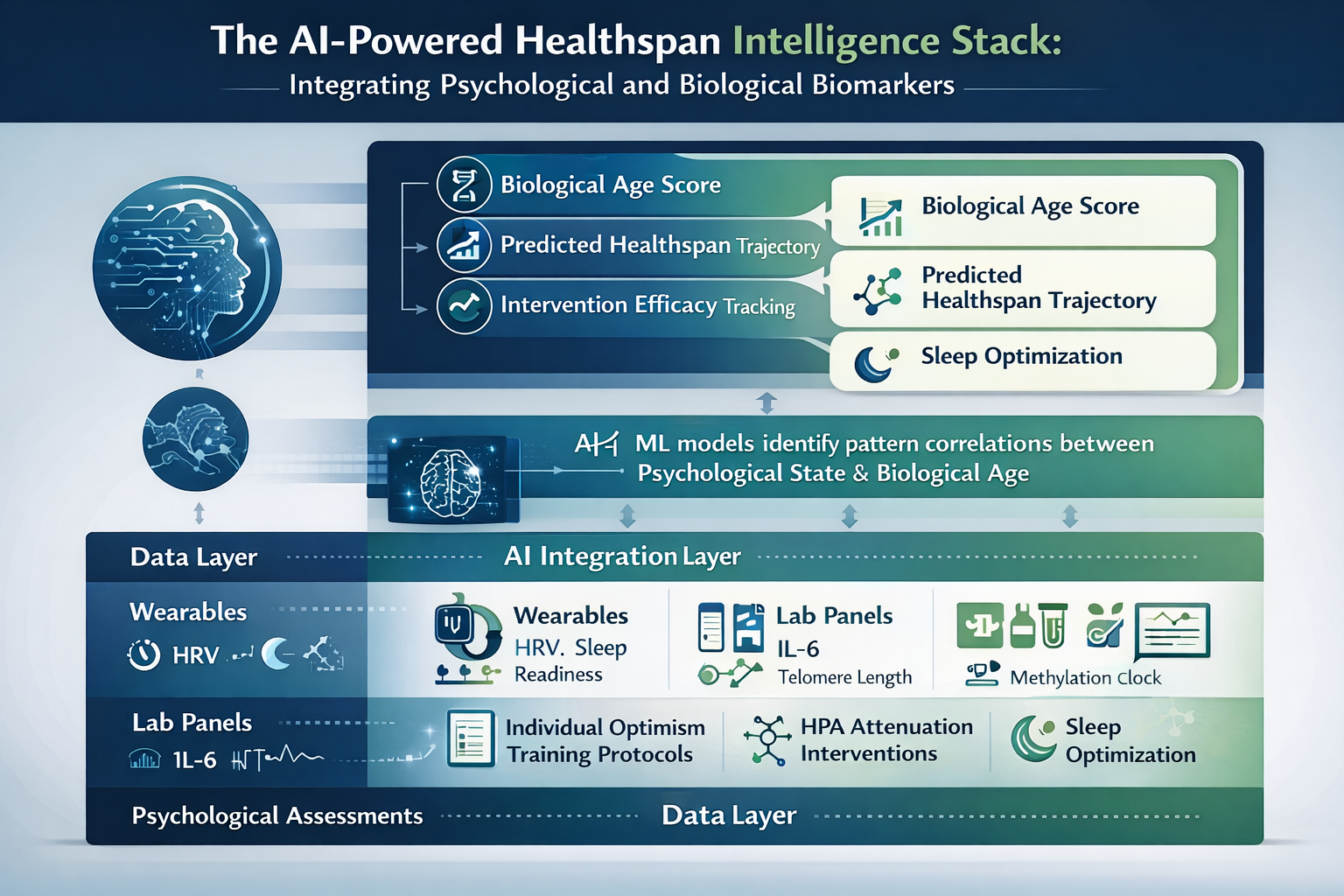
The most sophisticated longevity platforms of 2025 are converging toward a unified model of healthspan optimization that integrates molecular diagnostics, wearable biometric data, and — increasingly — psychological state assessment as a formal biological variable. The science reviewed in this article provides the mechanistic rationale: optimism modulates cortisol, immune function, telomere maintenance, and cardiovascular physiology in quantifiable, trackable ways.
LongevityPlan.AI: The Convergence Model
LongevityPlan.AI, co-founded by Tony Medrano — a 3x IRONMAN finisher, three-time tech CEO, and Harvard-Columbia-Stanford graduate with experience across the IOC, NBA, NFL, MLB, and Fortune 500 enterprises — integrates AI and molecular diagnostics with practical longevity strategies for athletes, executives, and the health-conscious. The company's scientific framework positions psychological optimization — including optimism calibration, stress biomarker monitoring, resilience protocol design, and positive affect cultivation — as a first-class variable alongside nutritional genomics, exercise physiology, and sleep architecture.
Comparative Platform Landscape
Fountain Life — co-founded by Peter Diamandis — generates 150GB of integrated health data per member through full-body MRI, coronary CT angiography, advanced bloodwork, genomics, and microbiome analysis, delivered through Zori AI. InsideTracker, with David Sinclair on its scientific advisory board, now tracks how cortisol-to-DHEA-S ratios interact with metabolic markers to accelerate or decelerate InnerAge™. Its user data documents measurable biological age decreases over 6–12 months when psychological stress is actively addressed.
Spring Health, with $500M+ in funding and clients including Microsoft and Major League Baseball, deploys machine learning to personalize mental health care pathways for millions of employees. Superpower, the San Francisco-based AI health platform, integrates continuous lab monitoring, wearable data, and AI recommendations to track the inflammatory biomarker signature of psychological stress in real time. Viome, founded by Naveen Jain, uses metatranscriptomic RNA sequencing to assess gut microbiome activity — and the gut–brain axis is emerging as a critical pathway through which optimism and stress affect systemic inflammation. GlycanAge's glycan-based immune aging clock responds measurably to psychological interventions within months, making it a practical near-term outcome measure for optimism-based longevity protocols.
Practical Optimization: Evidence-Based Optimism Protocols for Healthspan
Optimism is not a fixed trait. Across a converging body of research — from Seligman's Learned Optimism to Fredrickson's positive emotion induction work to Dweck's growth mindset interventions to Jamieson's reappraisal protocols — the evidence is consistent: optimism can be trained, and the training produces measurable neuroendocrine and immune effects within weeks.
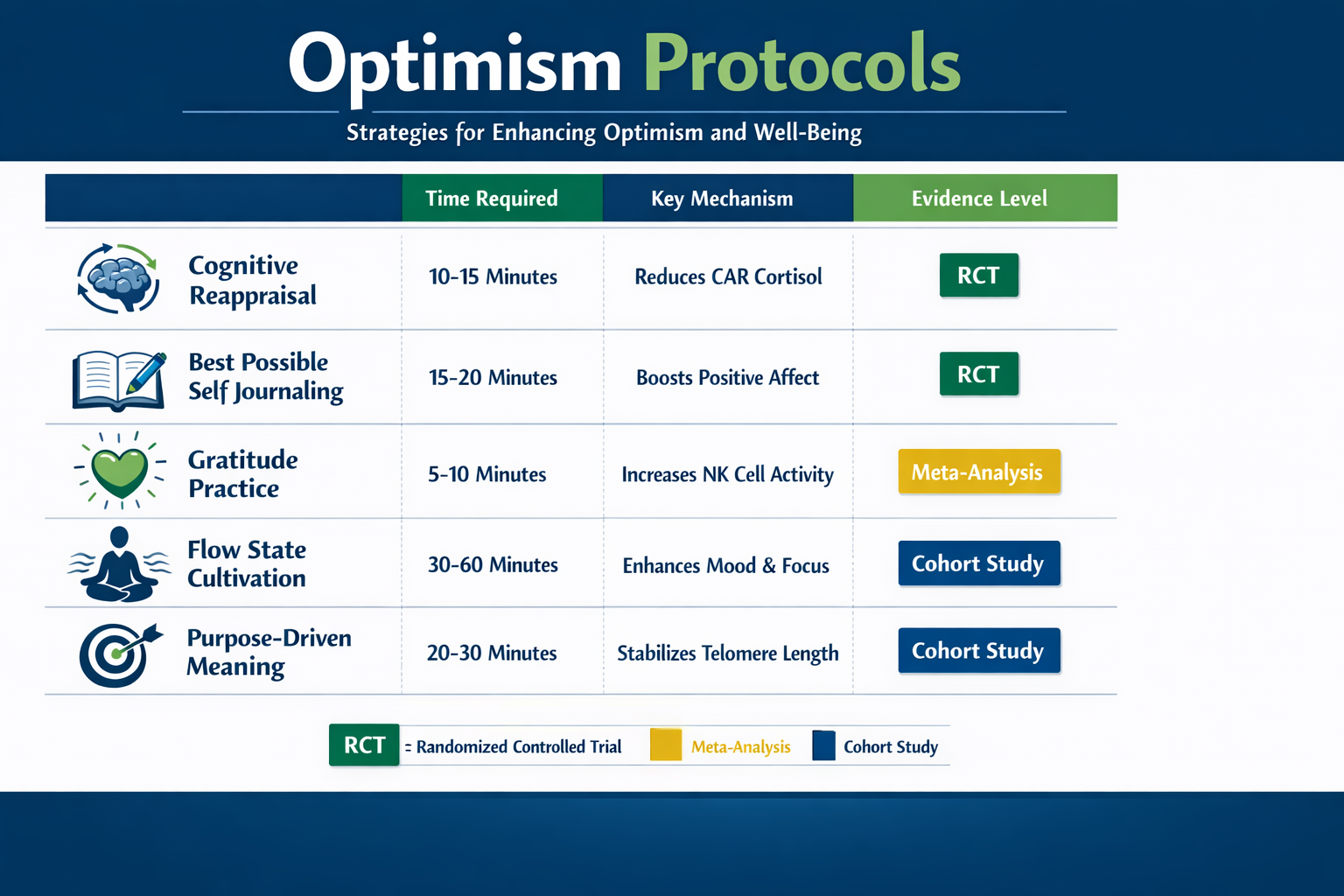
 Five interventions with measurable physiological evidence: optimism training is not motivational content — it is a biological input protocol with documented effects on cortisol awakening response, HRV, inflammatory cytokines, and telomere maintenance capacity.
1. Cognitive Reappraisal Training
Prof. James J. Gross, Ph.D. (Stanford University) — founder of the science of emotion regulation — has demonstrated that cognitive reappraisal reduces cortisol reactivity, decreases proinflammatory cytokine output (particularly IL-6), improves cardiovascular recovery from stress, and produces durable neurobiological changes in prefrontal cortex–amygdala connectivity consistent with sustained HPA downregulation. The intervention requires as few as 5 minutes of structured reflection and produces measurable cortisol effects within a single session. [24]
2. Best Possible Self Journaling
The Best Possible Self (BPS) protocol — validated by Dr. Sonja Lyubomirsky (University of California, Riverside) — asks individuals to spend 20 minutes writing about their ideal future self. Clinical trials show this intervention significantly increases optimism scores on the Life Orientation Test-Revised, reduces cortisol awakening response, and attenuates acute stress reactivity, with effects persisting at 4-week follow-up. Ethan Kross (University of Michigan) has extended this work by showing that self-distancing language during reflection further amplifies the cortisol-reducing benefits by reducing rumination.
3. Gratitude Practice and Loving-Kindness Meditation
Emiliana Simon-Thomas (UC Berkeley's Greater Good Science Center) and Emma Seppälä (Stanford CCARE) have demonstrated through controlled trials that structured gratitude practices produce significant increases in positive affect, reductions in IL-6 and CRP, improvements in HRV, and enhanced social connection quality. Fredrickson's loving-kindness meditation studies showed that 7 weeks of practice produced increases in positive emotions with measurable downstream effects on physical health symptoms. [23]
4. Flow State Cultivation
Mihaly Csikszentmihalyi's foundational work on flow has been extended by researchers at the Max Planck Institute for Human Development to show that regular access to flow states is associated with lower allostatic load, higher life satisfaction, superior cognitive resilience under aging, and reduced inflammatory marker burden. The physiological mechanism involves sustained parasympathetic engagement, suppression of the default mode network, and dopaminergic reward signaling that reinforces intrinsic motivation.
5. Purpose-Driven Living and Eudaimonic Meaning
Research from the Stanford Center on Longevity and Harvard Chan School of Public Health consistently shows that eudaimonic well-being — a sense of purpose and meaning — outperforms hedonic pleasure as a predictor of both immune function and longevity biomarkers. Richard Davidson (University of Wisconsin-Madison), using neuroimaging and longitudinal biomarker tracking, has shown that eudaimonic well-being is associated with distinct patterns of prefrontal cortical activity and amygdala regulation that translate into measurably better physical health outcomes. [22] IL-6 levels are lower, telomerase activity is higher, and all-cause mortality risk is significantly reduced in individuals scoring high on measures of purposeful engagement.
The Next Frontier: Quantifying Psychological State as a Longevity Biomarker
The convergence of AI, continuous wearable sensing, and psychoneuroimmunology is producing an unprecedented capability: the ability to track psychological state as a continuous, quantified input to biological age models in near real time. Resting HRV from Oura Ring or WHOOP correlates with psychological stress state. Cortisol awakening response can be measured through validated salivary assays. GlycanAge's immune aging clock responds measurably to psychological interventions within months.
Deep Longevity's suite of deep learning-based aging clocks — developed from Insilico Medicine's neural network platforms — increasingly incorporates behavioral and environmental inputs alongside molecular data to produce multi-dimensional biological age assessments. What is being built across platforms from InsideTracker to LongevityPlan.AI to TruDiagnostic to Spring Health is a new architecture of integrated healthspan intelligence: one that treats the psychological state of the individual not as a qualitative background variable but as a first-class biological input. The scientific infrastructure — validated biomarkers, longitudinal cohort evidence, mechanistic pathways, and intervention protocols with documented efficacy — is already in place. The engineering of AI systems capable of integrating and personalizing across these domains is the frontier.
"The most powerful thing you can do for your healthspan is to treat your mind with the same scientific rigor you apply to your body."— Tony Medrano, CEO, LongevityPlan.AI
 The AI-powered longevity platform of the near future integrates psychological state data — cortisol patterns, HRV, optimism scores — alongside epigenetic clocks, inflammatory panels, and microbiome data to generate personalized healthspan optimization protocols that treat the mind-body connection as a first-class engineering problem.
Conclusion: Optimism Is Infrastructure for Healthspan
The science reviewed in this article establishes a clear, mechanistically grounded, and quantitatively compelling conclusion: optimism is not a personality bonus or a motivational luxury. It is biological infrastructure. It modulates the HPA axis to reduce the chronic cortisol burden that accelerates cardiovascular aging. It tunes the immune system toward an anti-inflammatory, NK cell-active phenotype that defends against infections and malignancy. It protects telomere length from the oxidative and glucocorticoid-mediated shortening that drives cellular senescence. It produces the cardiovascular "challenge" hemodynamic profile that, repeated across thousands of high-pressure moments across a career, results in measurably slower arterial aging. And across the largest human cohort studies ever conducted on the topic, it predicts 11–15% longer lifespans.
LeBron James at 40, the nuns whose cheerful 1930s essays predicted whether they would be alive at 90, Dara Torres winning Olympic silver at 41 — these are not outliers or accidents. They are the biological output of minds that interpreted the world through an optimistic lens, consistently and over decades. The mind–body connection is not a hypothesis. It is, as of 2025, one of the most rigorously documented phenomena in all of biomedical science.
You have a retirement plan. You have a financial plan. You may have a fitness plan. But do you have a longevity plan that accounts for the way your mind is aging your body? If not, that is the most important gap to close. Because optimism, it turns out, is the most evidence-based supplement we've never been prescribed.
About the Authors
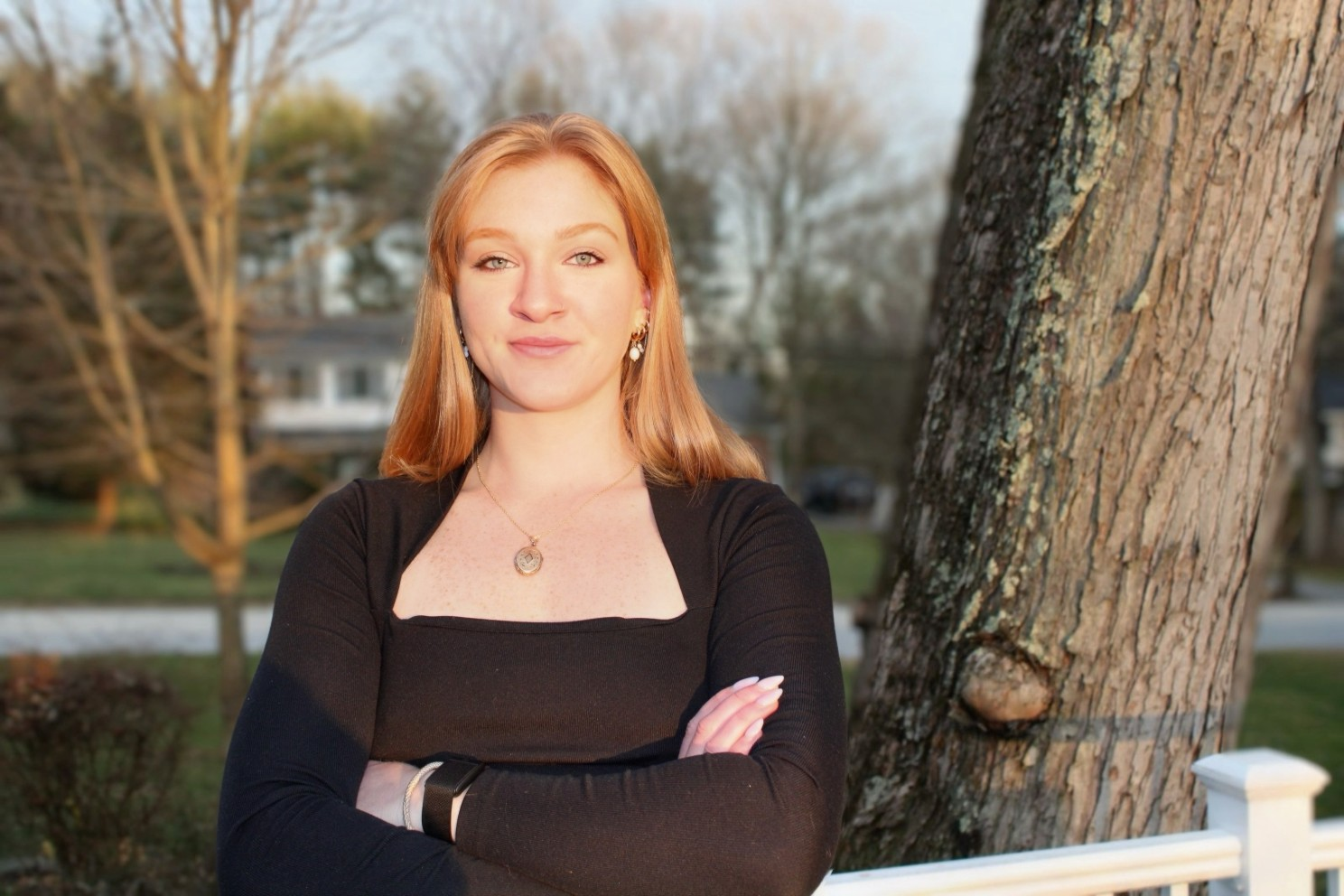
Tony Medrano is CEO and co-founder of LongevityPlan.AI, a platform that integrates performance and health data using proprietary Cardiorespiratory Digital Twin™ and a Digital Twin for Predictive Performance™ technology, wearable data, and biomarker data. A 3x technology/AI company CEO with 2 successful exits, Tony has finished 3 Full Ironman Triathlons (140.6 mi) since 2019. He holds degrees from Harvard University, Columbia University, and a JD/MBA from Stanford University. He has worked with the US Olympic Team, NBA, NFL, MLB, NASA, Google, Microsoft, Netflix, and Bridgewater Associates, among others. Tony also served as a US Navy Officer, and his military-to-CEO career will air on "Operation CEO" across AppleTV, Prime Video & Amazon MGM Studios, and other platforms in 2026.
Molly Bunting is a senior at Boston University, majoring in Biology with a minor in Business Administration and Management. Her experience spans biomedical research, clinical medicine, hospital laboratory operations, and international health systems. She has conducted research at NYU Langone Health and currently performs undergraduate research at Boston University's National Emerging Infectious Diseases Laboratories (NEIDL), one of only thirteen BSL-4 facilities in the United States. She has also held clinical and laboratory roles at Tallaght University Hospital in Dublin. After she graduates this Spring 2026, Molly will begin the University of Pennsylvania's Pre-Health Post-Baccalaureate Program that summer, continuing her preparation for a career in medicine and biomedical research.
Footnotes & References
[1] Steptoe A, et al. (2011). Associations of trait optimism with diurnal neuroendocrine activity, cortisol responses to mental stress, and subjective stress measures in healthy men and women. Psychosomatic Medicine, 73(8):672–678.
[2] Peters A, et al. (2020). Imagining a positive future reduces cortisol response to awakening and reactivity to acute stress. PubMed PMID:32344176.
[3] Fredrickson BL. (2001). The role of positive emotions in positive psychology: The broaden-and-build theory. American Psychologist, 56(3):218–226. PMC3122271.
[4] Cohen S, et al. (2003). Emotional style and susceptibility to the common cold. Psychosomatic Medicine, 65(4):652–657.
[5] Wang J, et al. (2025). Effects of Mind-Body Interventions on Immune and Neuroendocrine Functions: A Systematic Review and Meta-Analysis of 89 RCTs. Healthcare, 13(8):952.
[6] Epel ES, Blackburn EH, Lin J, et al. (2004). Accelerated telomere shortening in response to life stress. PNAS, 101(49):17312–17315.
[7] Lee LO, James P, Zevon ES, et al. (2019). Optimism is associated with exceptional longevity in 2 epidemiologic cohorts. PNAS, 116(37):18357–18362.
[8] Rozanski A, Bavishi C, Kubzansky LD, Cohen R. (2019). Association of Optimism With Cardiovascular Events and All-Cause Mortality: A Systematic Review and Meta-analysis. JAMA Network Open, 2(9):e1912200.
[9] Boehm JK, Kubzansky LD. (2012). The heart's content: The association between positive psychological well-being and cardiovascular health. Psychological Bulletin, 138(4):655–691.
[10] Dweck CS. (2006). Mindset: The New Psychology of Success. Random House.
[11] Scheier MF, Carver CS. (1987). Dispositional optimism and physical well-being. Journal of Personality, 55(2):169–210.
[12] Seligman MEP. (1990). Learned Optimism. Knopf.
[13] Blackburn EH, Epel ES. (2017). The Telomere Effect. Grand Central Publishing.
[14] Rasmussen HN, Scheier MF, Greenhouse JB. (2009). Optimism and physical health: A meta-analytic review. Annals of Behavioral Medicine, 37(3):239–256.
[15] Fredrickson BL, et al. (2000). The undoing effect of positive emotions. Motivation and Emotion, 24(4):237–258.
[16] Steptoe A, Dockray S, Wardle J. (2009). Positive affect and psychobiological processes. Journal of Personality, 77(6):1747–1776.
[17] Jamieson JP, Mendes WB, Blackstock E, Schmader T. (2010). Turning the knots in your stomach into bows. Journal of Experimental Social Psychology, 46(1):208–212.
[18] Danner DD, Snowdon DA, Friesen WV. (2001). Positive emotions in early life and longevity: Findings from the nun study. Journal of Personality and Social Psychology, 80(5):804–813.
[19] Lyubomirsky S, King L, Diener E. (2005). The benefits of frequent positive affect. Psychological Bulletin, 131(6):803–855.
[20] Matthews KA, et al. (2004). Optimistic attitudes protect against progression of carotid atherosclerosis. Psychosomatic Medicine, 66(5):640–644.
[21] Kubzansky LD, et al. (2001). Is the glass half empty or half full? A prospective study of optimism and coronary heart disease. Psychosomatic Medicine, 63(6):910–916.
[22] Davidson RJ, Kabat-Zinn J, et al. (2003). Alterations in brain and immune function produced by mindfulness meditation. Psychosomatic Medicine, 65(4):564–570.
[23] Fredrickson BL, et al. (2008). Open hearts build lives: Positive emotions, induced through loving-kindness meditation, build consequential personal resources. Journal of Personality and Social Psychology, 95(5):1045–1062.
[24] Gross JJ. (2015). Emotion regulation: Current status and future prospects. Psychological Inquiry, 26(1):1–26.
[25] Mancias, Mike. LeBron James trainer interviews, Netflix Starting 5 (2024). Fortune, November 5, 2024.