Performance Science
·16 min read
The Mitochondrial Imperative
How Your Cellular Powerhouses Determine Your VO2Max, Athletic Performance, and Ultimate Longevity
By Tony Medrano, CEO & Taylor Barkdoll
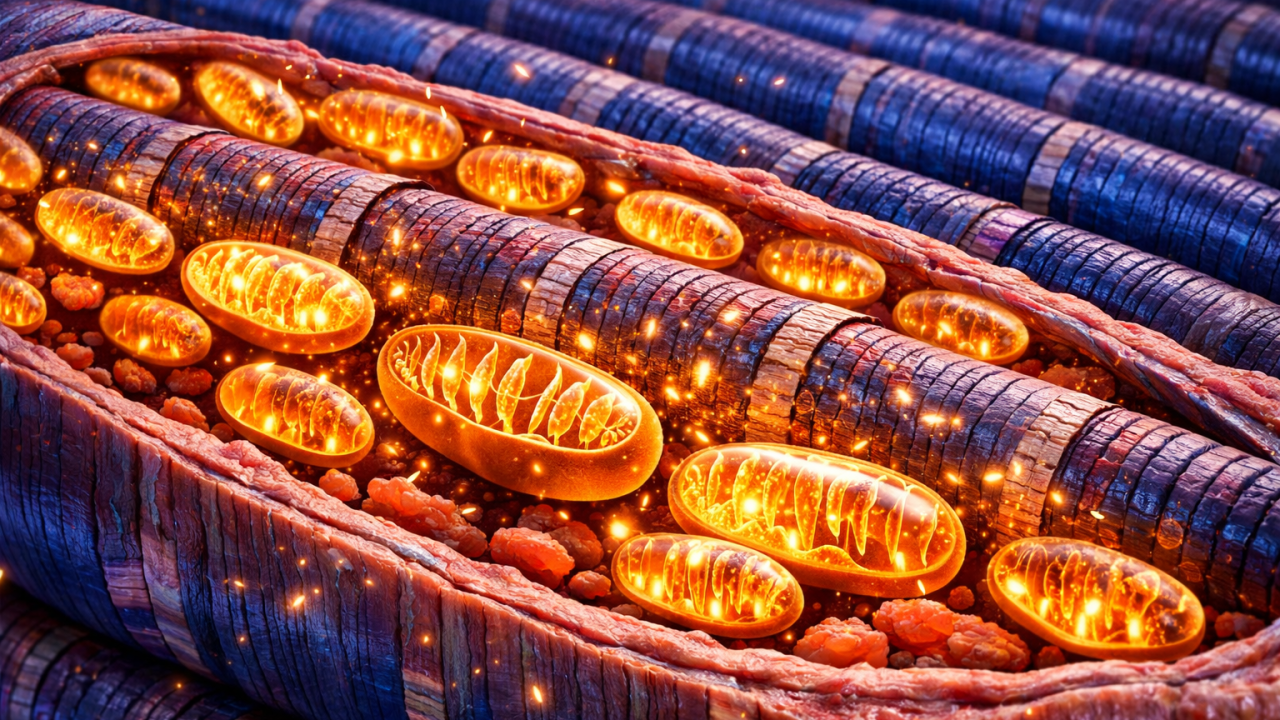

Figure 1: The mitochondrial network within human skeletal muscle fibers. Elite endurance athletes can contain 2-3x the mitochondrial density of sedentary individuals, with each organelle contributing to the cellular ATP production that powers sustained physical performance.
"Mitochondrial dysfunction underlies rare, inborn errors of metabolism, as well as some of the most common human diseases, such as diabetes, cancer, and neurodegeneration. Given their importance in basic biology and clinical medicine, mitochondria represent an excellent 'model' for basic and clinical systems biology."
— Dr. Vamsi Mootha, Howard Hughes Medical Institute Investigator, Harvard Medical School
Introduction: The Hidden Engine of Human Performance
When Eliud Kipchoge broke the two-hour marathon barrier in 2019, the world celebrated a triumph of human endurance. What few spectators understood was that this achievement was ultimately orchestrated at the subcellular level—within the estimated 10 million-billion (i.e a quintillion) mitochondria distributed throughout Kipchoge's skeletal muscles, heart, and brain. These ancient organelles, descendants of free-living bacteria that merged with our ancestors approximately 1.5 billion years ago, represent perhaps the most consequential biological inheritance in human evolutionary history.
Today, mitochondrial science is undergoing a renaissance. What was once considered a simple "powerhouse of the cell"—a phrase many of us memorized in high school biology—has emerged as a sophisticated command center governing everything from cellular energy production to immune function, inflammation regulation, and the very pace at which we age. For athletes seeking to extend their competitive careers, executives aiming to maintain peak cognitive performance, and anyone committed to maximizing their healthspan, understanding mitochondrial function isn't optional—it's essential.
As Dr. Iñigo San-Millán of the University of Colorado, whose work with professional cycling teams has revolutionized our understanding of metabolic efficiency, notes: "The role of mitochondrial function in health and disease has become increasingly recognized, particularly in the last two decades. Mitochondrial dysfunction as well as disruptions of cellular bioenergetics have been shown to be ubiquitous in some of the most prevalent diseases in our society."
This comprehensive analysis explores the intricate relationship between mitochondrial health, VO2Max, and longevity—synthesizing the latest research from institutions including Harvard Medical School, the Buck Institute for Research on Aging, Mayo Clinic, and Stanford University with practical insights for optimizing your own cellular energy systems. Whether you're a professional athlete, a weekend warrior, or simply someone who wants to maintain vitality into their ninth decade, the science presented here provides a roadmap for mitochondrial optimization that could fundamentally transform your approach to performance and aging.
Part I: The Mitochondrial Architecture of Human Performance
Understanding Your Cellular Power Grid
Mitochondria are not merely energy producers—they are sophisticated metabolic coordinators that integrate signals from throughout the body to match ATP production with cellular demand. A single human cell can contain anywhere from a few hundred to several thousand mitochondria, with the number varying dramatically based on metabolic requirements. Cardiac muscle cells, which must contract continuously throughout your life, contain approximately 5,000 mitochondria per cell—constituting roughly 35% of cellular volume. Skeletal muscle fibers in elite endurance athletes can contain two to three times the mitochondrial density of sedentary individuals.
Dr. Vamsi Mootha, whose laboratory at Harvard Medical School and the Broad Institute has pioneered the characterization of the mammalian mitochondrial proteome through the widely-utilized MitoCarta reference atlas, explains: "Contrary to popular belief, the mitochondrion is incredibly dynamic. Its protein composition and functional properties vary across cell types, remodel during development, and respond to external stimuli. Mitochondria contain their own genome which encodes a mere 13 proteins. All the other estimated 1,000+ proteins are encoded in the nuclear genome and imported into this cellular compartment."
This genomic duality—with mitochondria maintaining their own separate DNA while relying on nuclear-encoded proteins for most functions—creates both vulnerabilities and opportunities. Mitochondrial DNA (mtDNA) is inherited exclusively from mothers, lacks the sophisticated repair mechanisms of nuclear DNA, and sits in close proximity to the electron transport chain, where reactive oxygen species are generated. This positioning makes mtDNA particularly susceptible to oxidative damage, which accumulates over time and contributes to the aging process.
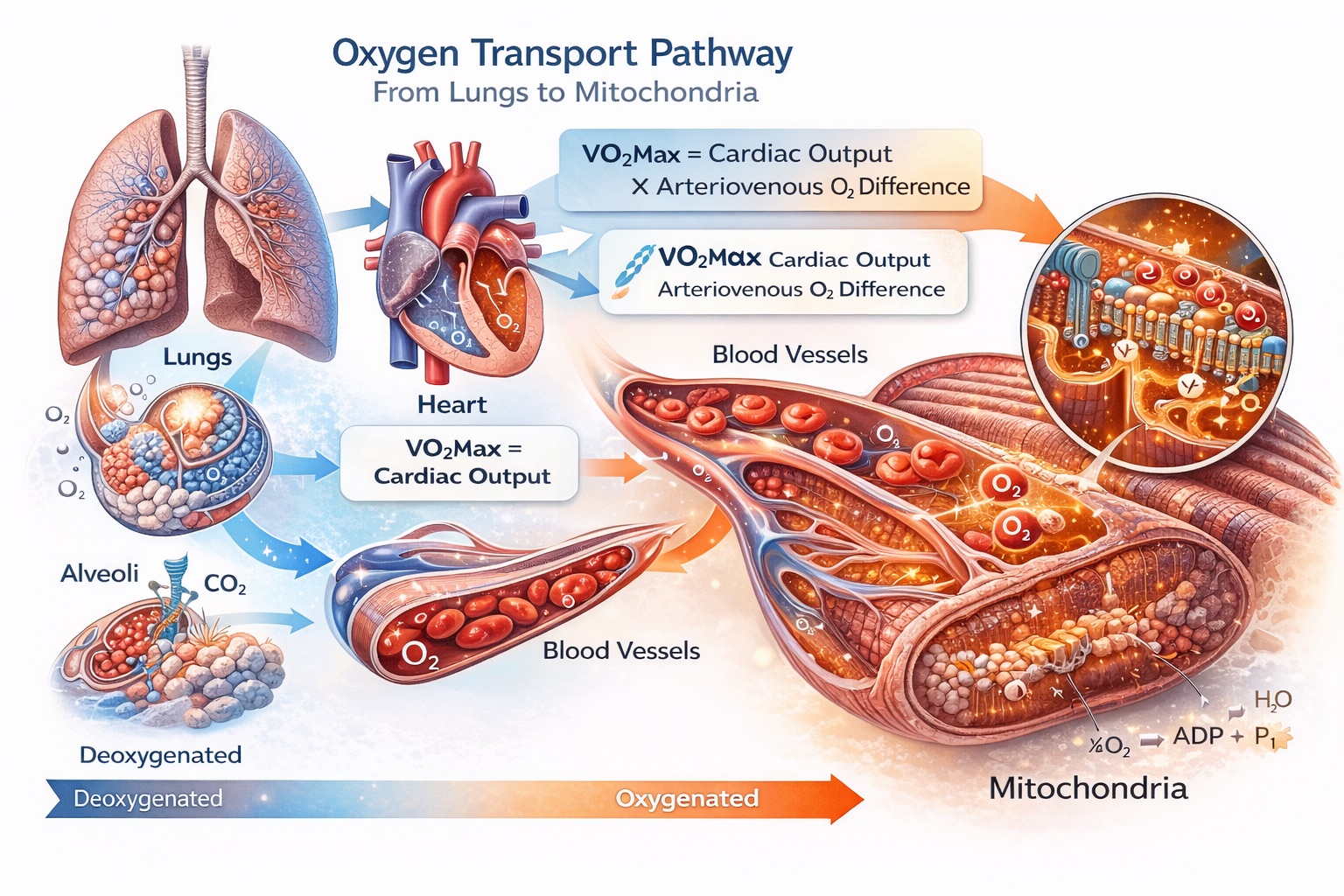
Figure 2: The oxygen transport cascade from atmosphere to mitochondria. VO2Max represents the integrated capacity of this entire system, with genetic factors accounting for nearly half of individual variation. Understanding each component reveals multiple intervention points for performance optimization.
The VO2Max-Mitochondria Connection
Maximal oxygen consumption (VO2Max) has emerged as one of the most powerful predictors of both athletic performance and all-cause mortality. Research from the HERITAGE Family Study demonstrated that up to 47% of individual variation in VO2Max can be attributed to genetic factors—many of which directly influence mitochondrial function.
The connection operates through multiple pathways. At its most fundamental level, VO2Max represents the ceiling of aerobic ATP production. As researchers Bottura and Dentillo note in their recent analysis in Genes: "VO2Max is directly related to performance and depends on the availability of oxygen, carbohydrates, fats, and mitochondrial density. Additional factors influence or limit VO2Max improvements, including capillary density, hemoglobin concentration, stroke volume, aerobic enzyme activity, and muscle fiber type composition."
Classic studies have shown that improvements in VO2Max with training are primarily driven by increased cardiac output via higher stroke volume, while muscle oxygen extraction shows smaller variations. However, the peripheral adaptations occurring within skeletal muscle mitochondria—increased density, enhanced enzyme activity, and improved substrate utilization—determine the efficiency with which oxygen is delivered and utilized for ATP production.
The Genetic Basis of Mitochondrial Performance
Multiple genetic variants influence mitochondrial efficiency and trainability. The angiotensin-converting enzyme (ACE) insertion/deletion polymorphism has been extensively studied in this context. Individuals carrying the I allele exhibit lower ACE levels, associated with better cardiovascular function and greater efficiency in oxygen transport—favoring performance in endurance sports. Conversely, the D allele is linked to higher ACE activity and increased levels of angiotensin II, a potent vasoconstrictor that may reduce aerobic efficiency.
The vascular endothelial growth factor A (VEGFA) gene plays a crucial role in angiogenesis—the formation of new blood vessels that enhance oxygen delivery to working muscles. Research has shown that certain genetic variants are associated with higher VO2Max in elite athletes, indicating an aerobic performance advantage for individuals with favorable genetic profiles.
Part II: Optimizing Mitochondrial Performance Through Training
The Exercise-Mitochondria Axis
Research from Dr. Matt Johnson at Dexcom, speaking on the Longevity by Design podcast with Dr. Gil Blander of InsideTracker, captures the remarkable plasticity of mitochondrial adaptation: "We've done studies on individuals into their seventies, and if they're regularly exercising and performing aerobic exercise, they can have mitochondrial content similar to those in their twenties."
A comprehensive 2024 meta-regression in Sports Medicine, analyzing data from 5,973 participants across 353 research articles, found that after adjusting for relevant covariates, percentage increases in mitochondrial content in response to exercise training were remarkably similar across modalities: endurance training (23 ± 5%), high-intensity interval training (27 ± 5%), and sprint interval training (27 ± 7%). However, the time efficiency varied dramatically—sprint interval training was approximately 2.3 times more efficient than HIT and 3.9 times more efficient than endurance training in increasing mitochondrial content per total hour of exercise.
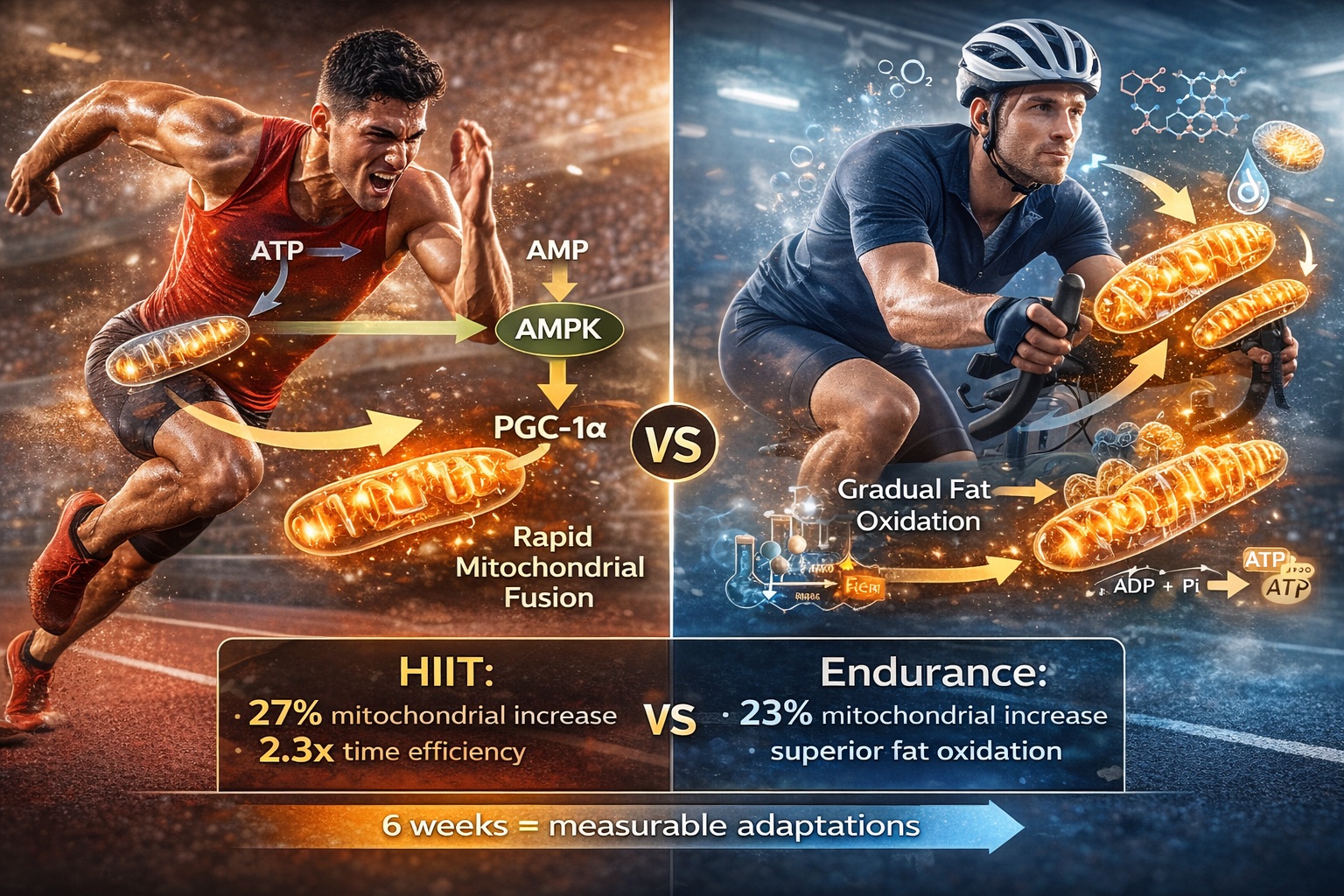
Figure 3: Training modality comparison for mitochondrial adaptation. Both HIIT and sustained endurance training produce significant mitochondrial biogenesis, but through partially distinct molecular pathways. A polarized approach combining both modalities may optimize the full spectrum of mitochondrial adaptations.
High-Intensity Interval Training: The Mitochondrial Multiplier
Recent research published in Frontiers in Physiology (2025) provides detailed mechanistic insights into how different training modalities affect mitochondrial dynamics. In a study of 20 young male participants randomized to HIIT or moderate-intensity continuous training (MICT), both groups showed significant improvements in VO2Max—increasing from 44.2 to 49.0 mL/min/kg in the MICT group and from 44.4 to 52.0 mL/min/kg in the HIIT group over just six weeks.
Critically, both training modalities increased citrate synthase activity and complex I activity—rough markers of mitochondrial content and oxidative capacity. The study revealed that exercise acutely (within 24 hours) triggers simultaneous activation of mitochondrial fusion and fission, whereas chronic training over six weeks promotes a net shift toward enhanced mitochondrial fusion and reduced fission. This adaptation correlates with improved mitochondrial respiration and insulin sensitivity.
Zone 2 Training: The Endurance Foundation
While high-intensity training offers time-efficient mitochondrial adaptations, zone 2 training—exercise performed at intensities just below the first lactate threshold—provides unique benefits that cannot be replicated at higher intensities. Research from Dr. Adam Konopka's group at the University of Wisconsin-Madison demonstrated that 12 weeks of endurance training (3 sessions per week, 45-minute duration) not only increased VO2Max but improved mitochondrial fatty acid oxidation and ADP sensitivity, indicating enhanced intrinsic mitochondrial health beyond simple content increases.
However, evidence suggests that staying deliberately above zone 2 may maximize mitochondrial adaptations. A 2018 meta-analysis by Granata and colleagues identified a minimum threshold of approximately 65% of peak work rate to reliably induce increases in both mitochondrial content and respiratory function. This finding challenges the popular notion that zone 2 training alone is optimal for mitochondrial health, suggesting instead that a polarized approach—combining low-intensity volume with high-intensity intervals—may be most effective.
The PGC-1α Master Switch
At the molecular level, mitochondrial biogenesis is orchestrated by peroxisome proliferator-activated receptor-γ coactivator 1α (PGC-1α), a transcriptional coactivator often described as the "master regulator" of mitochondrial biogenesis. Exercise activates PGC-1α through multiple pathways: AMP-activated protein kinase (AMPK) responds to the energy deficit created during exercise; calcium/calmodulin-dependent protein kinase senses increased intracellular calcium from muscle contractions; and p38 MAPK responds to mechanical stress.
Once activated, PGC-1α drives expression of nuclear respiratory factors (NRF-1 and NRF-2) and mitochondrial transcription factor A (TFAM), which together coordinate the expression of both nuclear and mitochondrial-encoded genes required for building new mitochondria. This process takes time—transient changes in mRNA content occur following acute exercise, while meaningful changes in mitochondrial protein content develop over weeks to months of consistent training.
Part III: The Behavioral Drivers of Mitochondrial Dysfunction
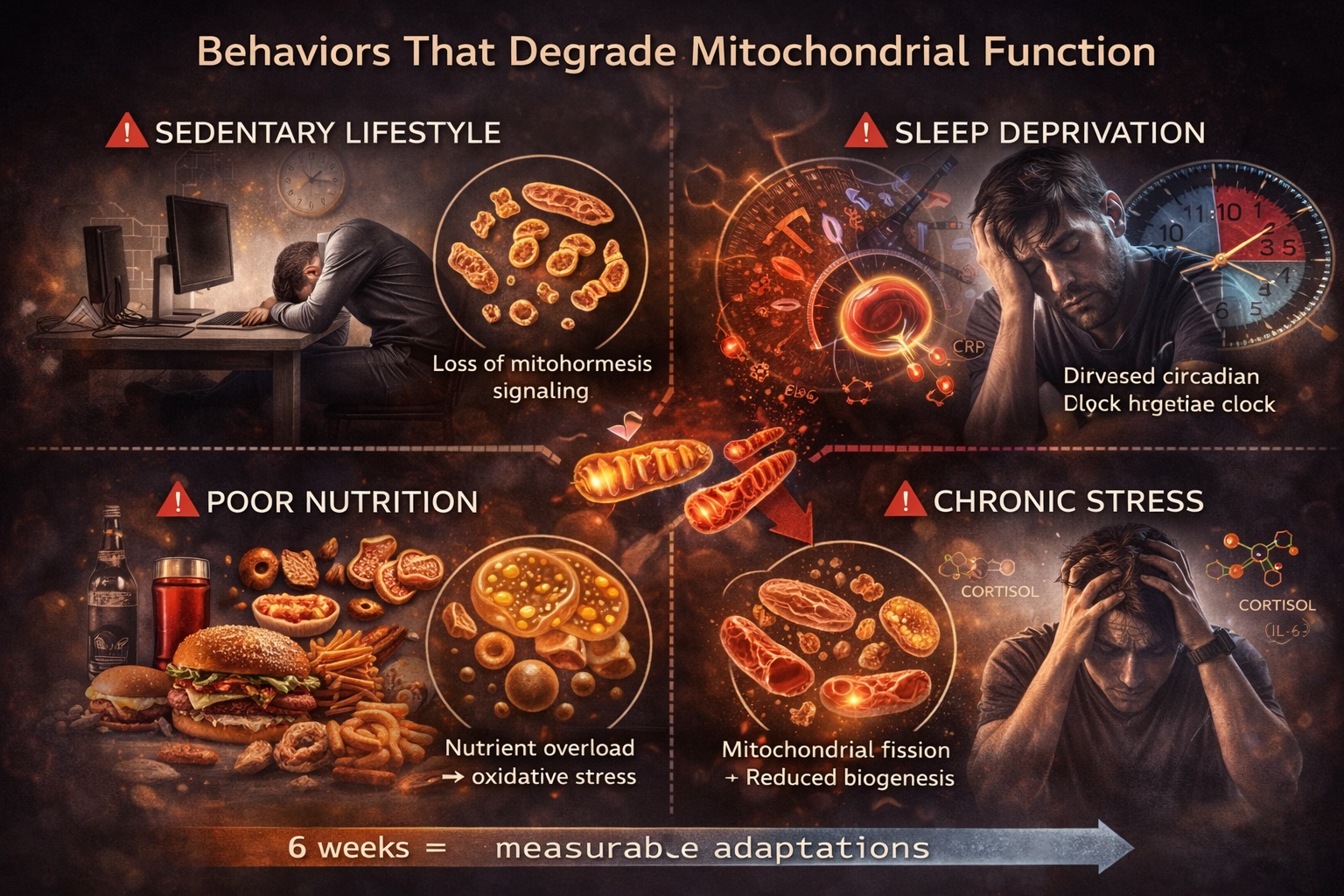
Figure 4: The four primary behavioral drivers of mitochondrial dysfunction. Each factor independently impairs mitochondrial health, but their combined effects—characteristic of modern Western lifestyles—create a synergistic threat to cellular energy production and longevity.
Sedentary Lifestyle: The Silent Mitochondrial Killer
Physical inactivity represents perhaps the most significant modifiable risk factor for mitochondrial dysfunction. Research published in the European Journal of Applied Physiology shows that prolonged inactivity leads to skeletal muscle atrophy, accompanied by declines in mitochondrial shape, number, and function. The consequences extend beyond muscle mass: "Both inactivity and metabolic diseases are associated with declines in mitochondria shape, number, and/or function in skeletal muscles."
A critical insight from recent research is that sedentary behavior deprives mitochondria of the low levels of reactive oxygen species (ROS) required to trigger mitohormesis—a protective adaptive response. Paradoxically, while excessive ROS damages mitochondria, moderate ROS production during exercise activates protective pathways that enhance overall mitochondrial resilience. Without this hormetic stimulus, mitochondria become increasingly vulnerable to dysfunction.
Sleep Deprivation: When Mitochondria Can't Recover
The relationship between sleep and mitochondrial health represents one of the most underappreciated aspects of cellular physiology. A cross-sectional observational study of healthy middle-aged adults found that participants who reported poor sleep quality had reduced mitochondrial function, measured by mitochondrial DNA copy number, compared to those who reported good sleep quality.
Research published in BMC Biology reveals the mechanistic basis for this connection. Sleep deprivation increases contact sites between the endoplasmic reticulum and mitochondria—so-called mitochondria-associated membranes (MAMs)—which serve as hubs for molecule shuttling and stress signaling. While increased MAM formation may represent an adaptive response to acute stress, chronic sleep deprivation overwhelms these compensatory mechanisms, leading to mitochondrial dysfunction and neural inflammation.
More alarmingly, research in Antioxidants demonstrates that sleep deprivation triggers mitochondrial DNA release from microglia—the brain's resident immune cells—which activates inflammatory pathways: "Sleep deprivation triggers mitochondrial dysfunction and neural inflammation, leading to cognitive impairment and mental issues."
Dietary Patterns: Feeding or Starving Your Mitochondria
Mitochondrial function is exquisitely sensitive to nutritional status. A comprehensive review in the International Journal of Molecular Sciences examined the impact of five different dietary patterns on mitochondrial physiology, including biogenesis, function, and dynamics. The findings reveal that dietary effects on mitochondria are nuanced and context-dependent.
High-fat diets, particularly those rich in saturated fats, generally impair mitochondrial function. Research demonstrates that high-fat feeding reduces expression of MFN2 and OPA1—proteins essential for mitochondrial fusion—leading to fragmented mitochondrial networks with compromised function. In contrast, caloric restriction consistently improves mitochondrial biogenesis and oxidative phosphorylation across multiple species, associated with increased expression of PGC-1α and enhanced antioxidant defenses.
The ketogenic diet presents an interesting case study. While some research demonstrates increased expression of uncoupling proteins (UCPs) that may reduce oxidative stress and provide neuroprotection, the effects on mitochondrial biogenesis markers like PGC-1α are inconsistent. The Mediterranean diet, rich in polyphenols and omega-3 fatty acids, appears to support mitochondrial health through anti-inflammatory and antioxidant mechanisms.
Chronic Stress and Psychological Factors
The bidirectional relationship between psychological stress and mitochondrial function is increasingly recognized. As noted in a comprehensive review of mitochondrial dysfunction: "Stressors to mitochondria can be biochemical, psychological, or lifestyle/behavioural." Chronic psychological stress elevates cortisol, which can impair mitochondrial biogenesis and increase oxidative damage.
The Western lifestyle pattern—characterized by high caloric intake, low micronutrient density, chronic stress, and sedentary behavior—creates a perfect storm for mitochondrial dysfunction. This combination pushes mitochondria into anabolic mode, activating glycolytic and lipogenic pathways that, when chronically elevated, contribute to inflammation and metabolic disease.
Part IV: Mitochondria and the Longevity Equation
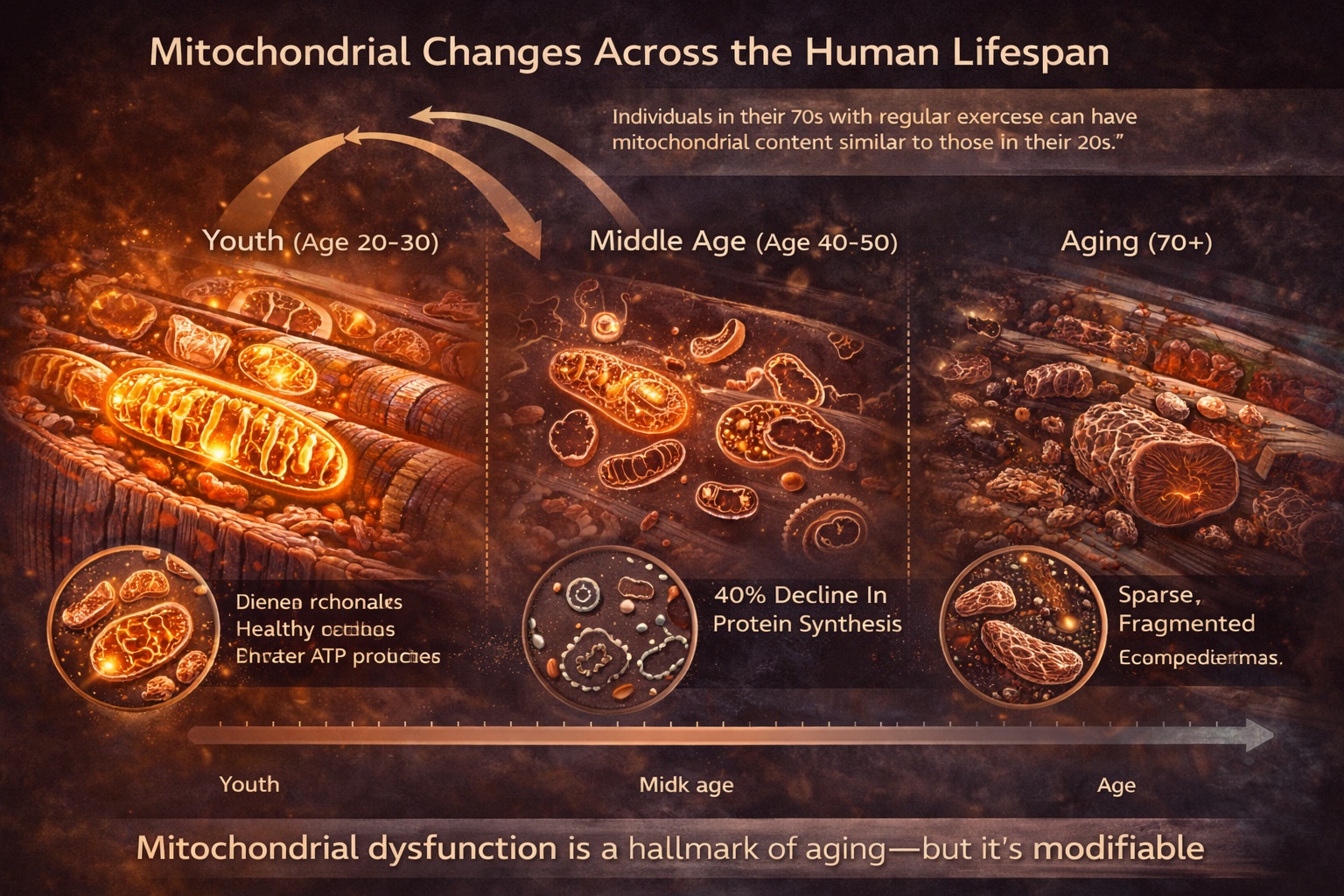
Figure 5: The arc of mitochondrial aging and intervention opportunities. While mitochondrial decline begins in middle age, research demonstrates remarkable plasticity—regular exercise can maintain youthful mitochondrial characteristics even into the eighth decade of life.
Mitochondrial Dysfunction as a Hallmark of Aging
Mitochondrial dysfunction is now recognized as a hallmark of aging. Research from the Mayo Clinic shows that the rates of synthesis of mitochondrial, myosin heavy chain, and mixed muscle proteins decline with age, along with skeletal muscle oxidative capacity. This decline begins surprisingly early—by middle age, mitochondrial protein synthesis rates can decrease by 40%.
Dr. Malene Hansen, Chief Scientific Officer at the Buck Institute for Research on Aging, emphasizes the importance of mitophagy—the selective degradation of damaged mitochondria: "Mitophagy is a selective and very significant form of autophagy. The field has recognized TFEB as a player when it comes to quality control in mitochondria."
Defective mitophagy is implicated in many age-related diseases: neurodegenerative disorders such as Parkinson's and Alzheimer's; cardiovascular diseases, including heart failure; metabolic disorders, including obesity and type 2 diabetes; muscle wasting and sarcopenia; and has a complex relationship with cancer progression.
The Exercise Longevity Paradox
Exercise is perhaps the most potent intervention for maintaining mitochondrial function with age. Research in Nature Reviews Molecular Cell Biology notes: "Exercise is a well-known lifestyle intervention that prevents metabolic disorders, such as obesity and T2DM, whereas reduced physical activity and a sedentary lifestyle are key contributing factors. In patients with T2DM, walking and ergometer cycling exercise increased mitochondrial muscle respiration and mitochondrial content and density, as well as the activity of oxidative enzymes."
Remarkably, daily voluntary exercise can ameliorate progeroid mouse phenotypes, including locomotor activity, alopecia, and kyphosis, and normalize deregulated proteomic profiles in muscle and brain in mtDNA mutator mice. This suggests that exercise doesn't merely slow aging—it may actively reverse some manifestations of mitochondrial dysfunction.
Part V: The Technology Revolution in Mitochondrial Assessment
Biomarker-Based Approaches
Dr. Gil Blander, founder and Chief Scientific Officer of InsideTracker, has pioneered the application of blood biomarker analysis to personalized longevity planning. His platform, which leverages blood biomarkers, DNA, wearables, food tracking, and AI to deliver personalized health guidance, now serves over 100,000 users. As Dr. Blander explains: "Blood biomarker analysis is still the preferred method of calculating biological age—as lifestyle modifications can potentially improve blood biomarkers."
Multiple biomarkers provide windows into mitochondrial function. Lactate levels during exercise reflect the balance between glycolytic and oxidative metabolism—a function of mitochondrial capacity. The monocarboxylate transporter MCT1 gene (rs1049434) influences lactate uptake in oxidative skeletal muscle, with the A allele associated with lower blood lactate concentrations during exercise and higher frequency in endurance athletes.
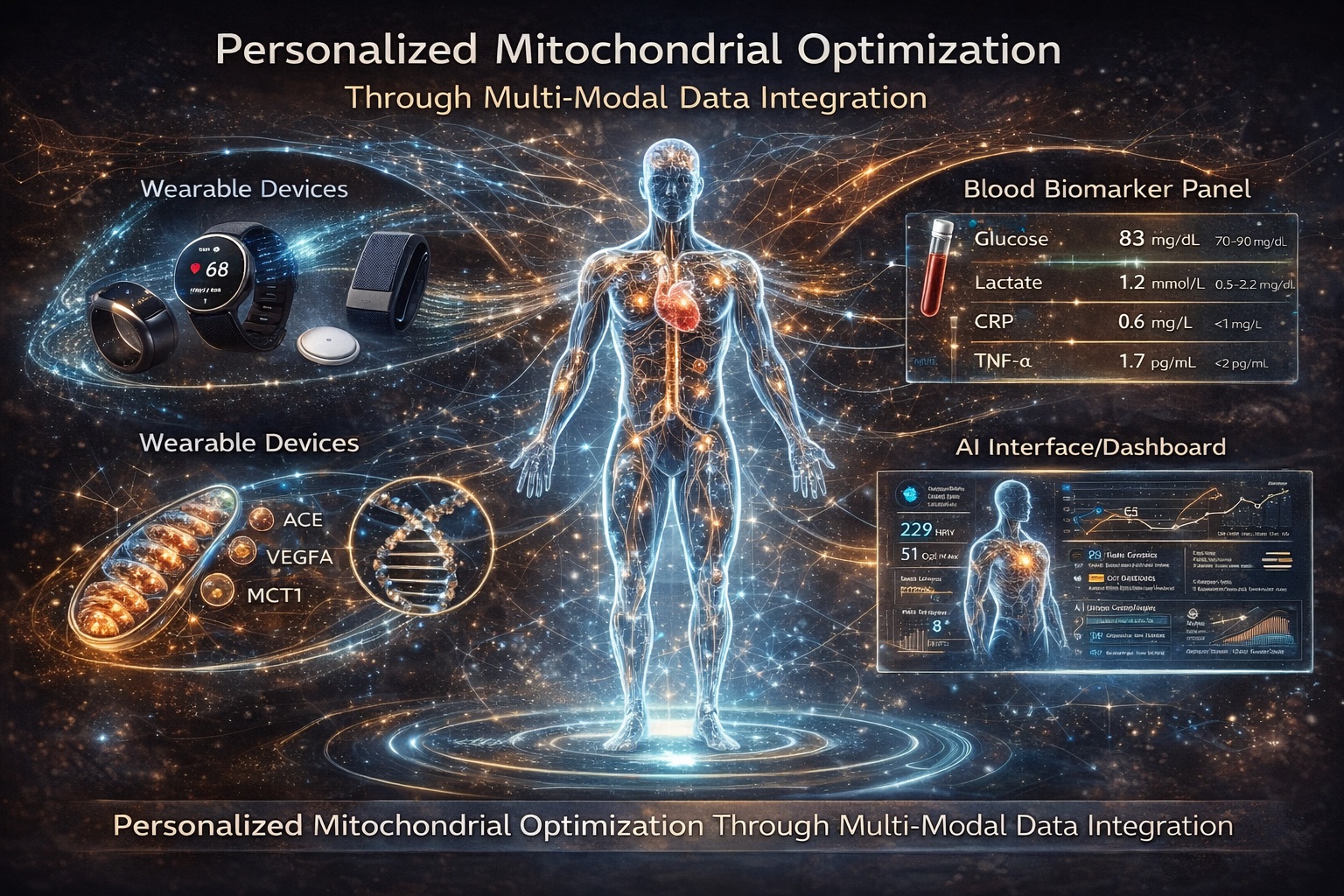
Figure 6: The convergence of wearable technology, biomarker analysis, genomics, and AI enables unprecedented personalization of mitochondrial optimization strategies. Digital twin technology allows simulation of interventions before implementation, transforming longevity planning from reactive to predictive.
Wearable Technology and Continuous Monitoring
The integration of wearable technology with AI-driven analysis is transforming our ability to monitor and optimize mitochondrial function in real-time. Platforms like WHOOP and Oura provide continuous data on sleep quality, heart rate variability, and recovery status—all indirect indicators of cellular energy balance. These data streams, when integrated with periodic biomarker testing and genetic information, enable unprecedented personalization of training and recovery protocols.
Companies like Dexcom, focused initially on continuous glucose monitoring for diabetes management, are expanding into the performance and longevity space. Real-time glucose data provides insights into metabolic flexibility—the ability to switch between carbohydrate and fat oxidation based on substrate availability and energy demands. This flexibility is fundamentally dependent on mitochondrial function and represents a trainable capacity with significant implications for both athletic performance and metabolic health.
The Digital Twin Revolution
Perhaps the most exciting frontier in personalized longevity planning is the emergence of digital twin technology—AI-powered software replicas that mirror an individual's physiology and can simulate interventions before implementation. By integrating data from multiple sources—genomics, proteomics, metabolomics, wearables, and lifestyle factors—digital twins enable truly personalized optimization strategies that account for individual variation in mitochondrial genetics and function.
Part VI: The Frontier—New Research and Emerging Therapeutics
Cellular Reprogramming and Mitochondrial Rejuvenation
Altos Labs, backed by $3 billion in financing, is pursuing what may be the most ambitious approach to aging: cellular reprogramming based on Nobel laureate Shinya Yamanaka's discovery that differentiated cells of any age can be reprogrammed to erase epigenetic markers of age. As the company notes: "We now have pre-clinical data suggesting that the cellular dysfunction associated with ageing and disease can be reversible."
This work has profound implications for mitochondrial function, as cellular reprogramming appears to restore youthful mitochondrial properties including improved bioenergetics, reduced oxidative damage, and enhanced quality control through mitophagy.
Novel Mitophagy Inducers
Researchers at the Buck Institute have identified a new drug-like molecule, dubbed MIC (Mitophagy-Inducing Compound), that maintains mitochondrial health by enhancing mitophagy. MIC extended lifespan in C. elegans, ameliorated pathology in neurodegenerative disease models, and improved mitochondrial function in mouse muscle cells. Dr. Gordon Lithgow, Buck Professor and Vice President of Academic Affairs, emphasizes the significance: "There's a bottleneck in efforts to develop potential therapeutics in the field of geroscience, and the bottleneck is that we don't have enough molecules in the pipeline. MIC is a great candidate to bring forward."
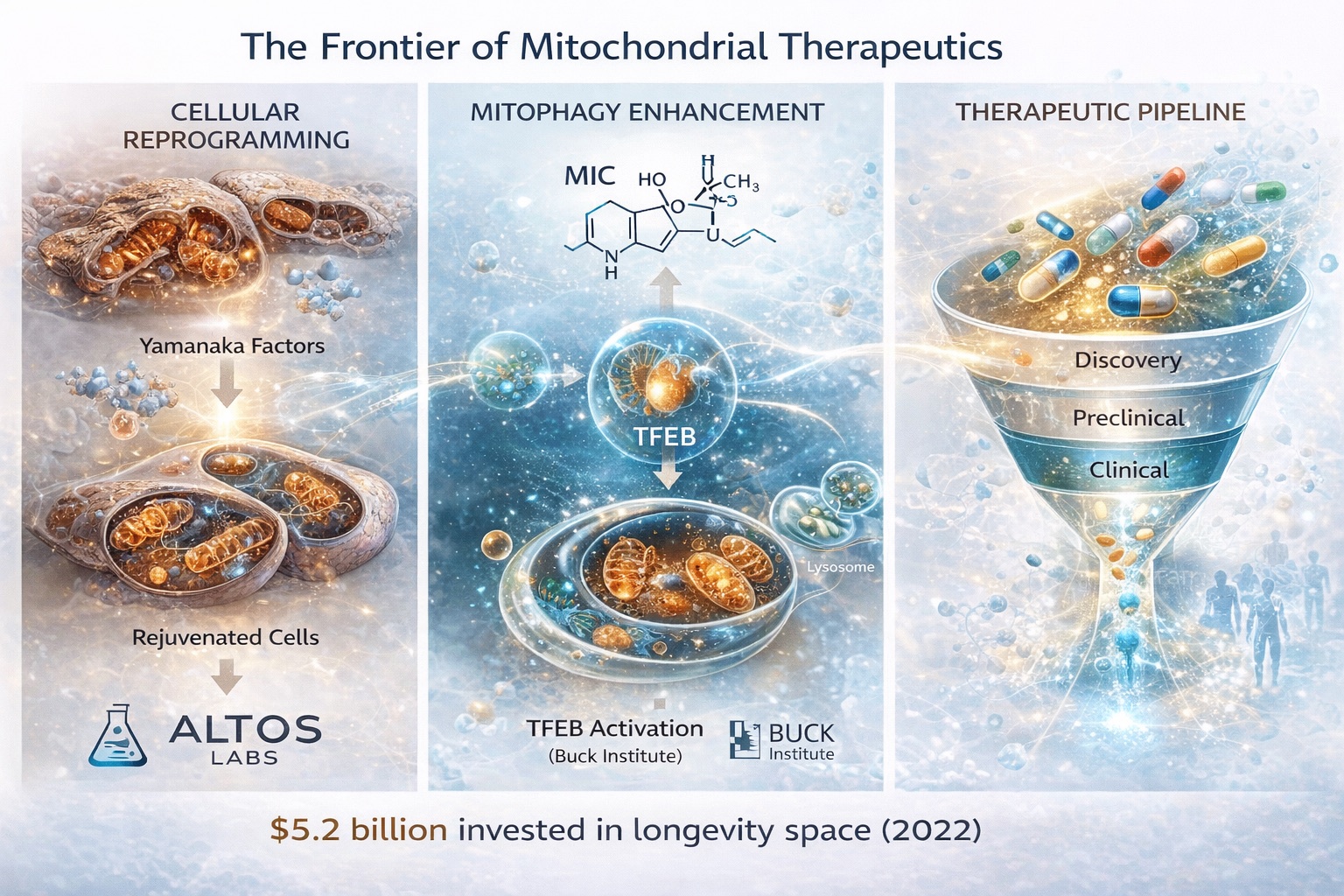
Figure 7: The therapeutic frontier in mitochondrial medicine. From cellular reprogramming to targeted mitophagy enhancement, multiple approaches are advancing through the drug discovery pipeline. The $5.2 billion invested in longevity research in 2022 alone signals unprecedented momentum in translating mitochondrial science into clinical interventions.
The Hypoxia Paradox
Dr. Vamsi Mootha's laboratory made the unexpected discovery that in animal models, low oxygen can actually alleviate mitochondrial disease. This counterintuitive finding—that reducing oxygen availability to dysfunctional mitochondria improves outcomes—has opened new therapeutic avenues and challenged fundamental assumptions about cellular energetics.
Conclusion: Your Mitochondrial Action Plan

Figure 8: Your personalized mitochondrial optimization roadmap. Whether you're an elite athlete, a busy executive, or simply committed to healthy aging, evidence-based strategies exist to enhance your cellular energy systems. The common thread: consistent action informed by personalized data yields compounding returns over time.
The science is clear: mitochondrial health is not merely a correlate of performance and longevity—it is a fundamental determinant. The good news is that mitochondrial function is remarkably plastic, responsive to the choices we make daily about exercise, sleep, nutrition, and stress management.
For athletes seeking to optimize their mitochondrial machinery: Incorporate both high-intensity interval training and sustained endurance work. The evidence suggests a polarized approach—80% low intensity, 20% high intensity—may optimize mitochondrial adaptations while minimizing overtraining risk. Ensure adequate recovery between high-intensity sessions; mitochondrial biogenesis occurs during rest, not during training itself.
For executives and knowledge workers: Prioritize sleep quality as fiercely as you protect meeting time. The research on sleep deprivation and mitochondrial dysfunction should alarm anyone who views sleep as dispensable. Aim for 7-9 hours of quality sleep; track it with wearables; address sleep disorders aggressively.
For everyone committed to longevity: Avoid prolonged sedentary periods; even brief movement breaks can help maintain mitochondrial signaling. Focus on metabolic flexibility through varied training and strategic nutrition. Consider periodic biomarker testing to track mitochondrial-related markers and adjust strategies based on data rather than speculation.
As Dr. Danica Chen of UC Berkeley reminds us: "To look into the future, I think we can look back first. The aging field has made tremendous progress in the past two decades. The hallmarks of aging have been identified. It's a very exciting time for rejuvenation."
Your mitochondria evolved over billions of years to adapt to changing conditions. With the right inputs—appropriate exercise, adequate sleep, proper nutrition, and managed stress—they will respond. The question is not whether you can improve your mitochondrial function, but whether you will make the choices necessary to do so.
The science is clear. The tools are available. The choice is yours.