Technology
·3 min read
Do We Want Google as Our Sleep and Fitness Coach?
The Data Says Yes, and Here's Why We Should Embrace It
By Tony Medrano, CEO

As someone who's pushed my body through three full Ironman triathlons and navigated the complexities of both legal frameworks and business strategy post Stanford University, I've learned one fundamental truth: performance optimization requires precision data, expert interpretation, and personalized guidance. The recent Nature Magazine publication by Justin Khasentino et. al., (2025) on Google's Personal Health Large Language Model (PH-LLM) isn't just another tech advancement—it's a paradigm shift that should make every athlete, executive, and health professional reconsider their resistance to AI-powered health coaching.
Let's cut through the noise with hard data. According to the groundbreaking study published in Nature, Google's PH-LLM achieved scores that exceeded human experts on multiple-choice examinations in sleep medicine (79% versus 76%) and fitness (88% versus 71%). Think about that for a moment. The model didn't just match expert performance—it surpassed it.
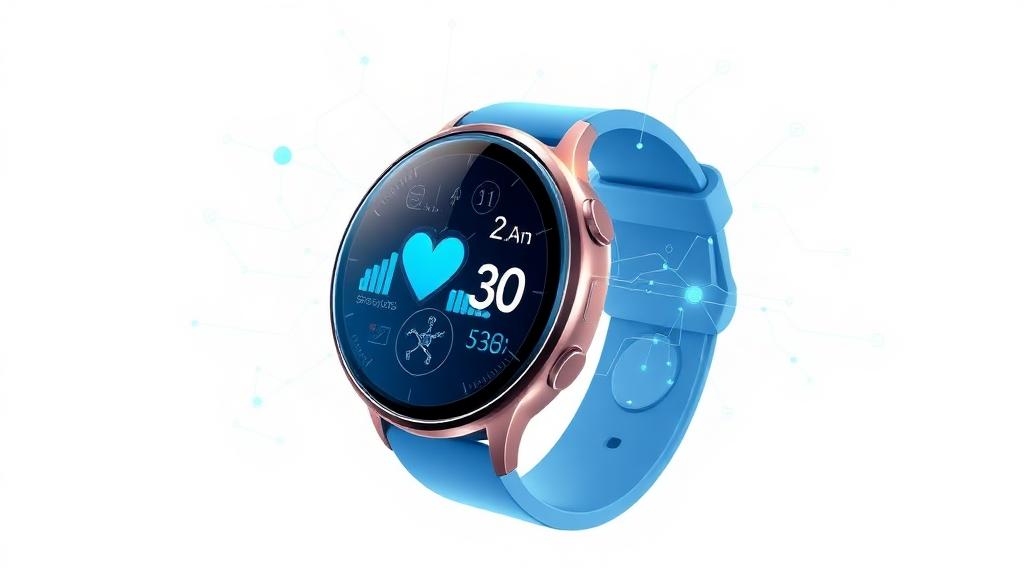 Google's PH-LLM represents a paradigm shift in AI-powered health coaching, outperforming human experts in both sleep medicine and fitness assessments.
Why Traditional Healthcare Can't Keep Up
During years of Ironman training, working with sports medicine physicians, sleep specialists, and performance coaches reveals a fundamental inefficiency. Each consultation costs $200-500 per hour. Wait times stretch to weeks. Continuity of care is virtually non-existent. As the Nature authors explain: "Conventional clinical visits provide invaluable information but offer only periodic assessments of lifestyle features, including sleep, physical activity, stress, and cardiometabolic health." These features, which have a profound impact on adverse health outcomes, can be measured passively and continuously by wearable devices, yet remain underutilized in clinical practice.
The success of PH-LLM didn't happen in a vacuum—it required meticulously annotated data from domain experts. Six domain experts, all of whom possessed advanced degrees (MD, DO or PsyD) in sleep medicine with professional work experience ranging from 4 years to 46 years, contributed to the sleep datasets. Similarly, seven domain experts in fitness possessed advanced degrees related to the athletic training field with professional experience ranging from 4 years to 25 years. The 857 case studies used to train PH-LLM represent thousands of hours of expert annotation work.
Performance Metrics That Matter
The performance data should make every data scientist, athlete, and health executive pay attention. In sleep medicine, PH-LLM achieved 79% accuracy on ABIM Sleep Medicine Certification-style examinations, outperformed five sleep medicine experts with an average of 25 years of experience, generated personalized insights using the validated RU-SATED framework, and achieved statistically significant improvements in providing insights and etiologies. In fitness assessment, it reached 88% accuracy on NSCA Certified Strength and Conditioning Specialists examinations, matched human expert performance in real-world case study evaluations, and integrated complex metrics including TRIMP (Training Impulse), ACWR (Acute:Chronic Workload Ratio), and HRV analysis.
The Business Case for Digital Health Coaches
From a business strategy perspective, the economics are compelling. Traditional coaching models cost $7,800-15,600 annually for weekly sessions, with zero scalability and limited availability. The PH-LLM model offers near-zero marginal cost per user, 24/7 availability, unlimited personalization at scale, and consistently updated evidence-based recommendations—all at an estimated subscription cost of $10-30/month. For health insurers and corporate wellness programs, preventing one cardiovascular event ($100,000+ in medical costs) or managing one case of chronic insomnia ($63,000 in lifetime costs) pays for thousands of AI coaching subscriptions.
What This Means for Athletes and Executives
For endurance athletes and high-performing executives, embracing AI health coaching isn't abandoning human expertise—it's augmenting it. Use PH-LLM-powered insights to identify patterns your coach might miss across months of training data, optimize recovery with personalized sleep recommendations based on your unique chronotype, prevent overtraining through predictive HRV and training load analysis, track intervention efficacy with continuous objective measurements, and adjust training load based on sleep quality and recovery metrics.
The question is no longer whether AI can match human expertise in health coaching—Google has definitively answered that. The question is whether you'll leverage this technology to optimize your own performance and longevity, or whether you'll wait while your competitors gain the edge.