Breathwork
·18 min read
Breathwork for Longevity and Performance Optimization
The 5 Most Impactful Types of Breathwork for Athletes and Executives
By Tony Medrano & Govindi Juneja, LongevityPlan.AI & Evolutionary Breathwork
Breathwork for Longevity and Performance Optimization
The 5 Most Impactful Types of Breathwork for Athletes and Executives
How Controlled Respiration Is Becoming the Most Under-Leveraged Tool in Personalized Medicine, Sports Science, and the Quest for Extended Healthspan
By Tony Medrano, Founder & CEO, LongevityPlan.AI & Govindi Juneja, Founder & CEO, Evolutionary Breathwork | March 2026
Introduction: The 20,000 Breaths You're Probably Wasting
Every day you take roughly 20,000 breaths—approximately 7.3 million per year and north of half a billion across a typical lifespan. For most of human history, nobody thought twice about how those breaths were structured, until a small cluster of neurons in the brainstem, a Danish freediver who can hold his breath for over 20 minutes, and a Stanford neuroscientist with a WHOOP strap on his wrist changed the conversation entirely.
Breathwork—the deliberate, structured manipulation of respiratory patterns for physiological and psychological benefit—has vaulted from yoga studios and Navy SEAL training compounds into peer-reviewed journals and the performance departments of professional sports franchises. [1] A landmark 2023 randomized controlled trial from Stanford University demonstrated that just five minutes per day of a breathing protocol called "cyclic sighing" produced statistically significant improvements in mood and reductions in physiological arousal, outperforming mindfulness meditation on multiple measures. [2]
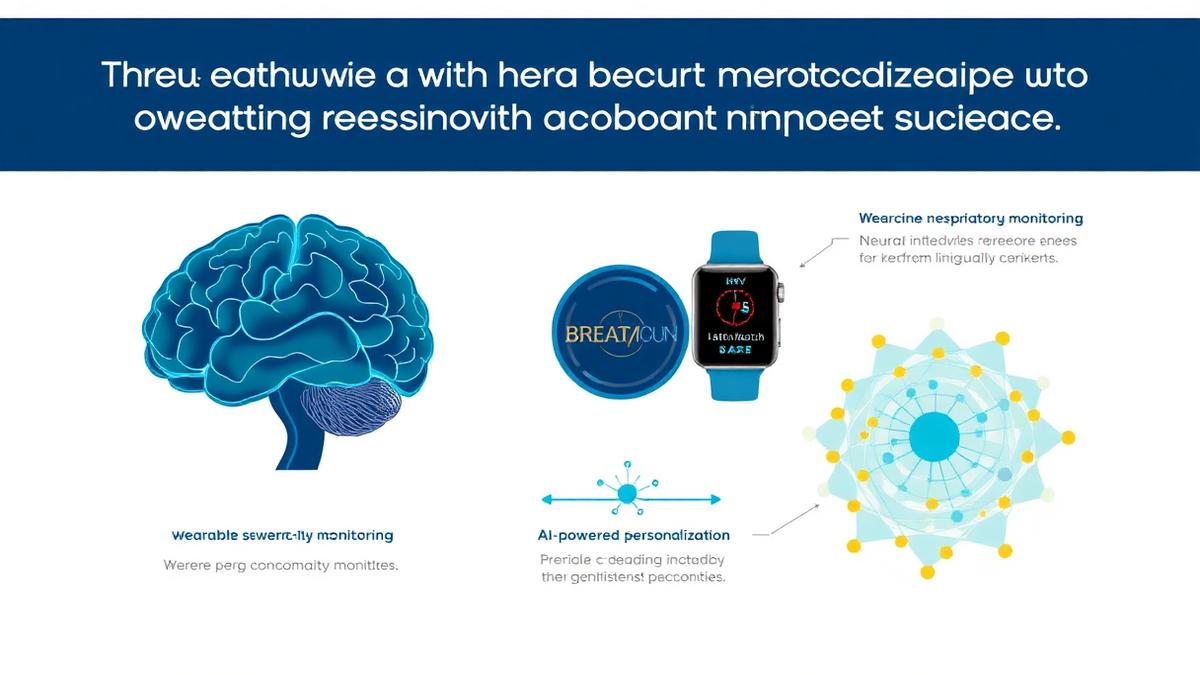
Figure 1: The three converging trends driving breathwork into mainstream longevity science: advances in respiratory neuroscience, wearable cardiorespiratory monitoring, and AI-powered personalization.
What makes this field relevant to those planning for long-term healthspan is the convergence of three accelerating trends: neuroscience is finally mapping the brain circuits governing respiration and its downstream effects; wearable technology enables real-time cardiorespiratory monitoring feeding into personalized Digital Twin models; and artificial intelligence is synthesizing these data streams into actionable, individualized protocols. As Tony Medrano, founder of LongevityPlan.AI, has written: "The future of longevity planning isn't just about what you eat or how you train—it's about integrating every signal your body produces, including the 20,000 breaths you take each day, into a Cardiorespiratory Digital Twin™ that learns and adapts with you."
This article is a science-forward examination of the five most impactful breathwork modalities for athletes, executives, and anyone serious about extending their healthspan—with verified citations, quoted researchers, and a clear-eyed look at where the evidence is strong, where it is emerging, and where the hype outpaces the data.
1. The Neuroscience of Breathing: Why Respiration Is the Body's Master Switch
1.1 The Pre-Bötzinger Complex: A Tiny Brain Region with Outsized Power
The modern scientific understanding of breathing rhythm begins with UCLA neuroscientist Jack Feldman, who in 1991 identified and named the pre-Bötzinger complex—a cluster of roughly 3,000 neurons in the brainstem that serves as the central pattern generator for mammalian breathing. [3] Feldman, a Distinguished Professor of Neurobiology and recipient of the Hodgkin–Huxley–Katz Prize, has spent over three decades demonstrating that this neural network is not merely a metronome for the lungs but a gateway to higher brain function. In a 2022 review in the Annual Review of Neuroscience, he and colleagues documented how breathing rhythms directly modulate emotional states, cognitive performance, and memory consolidation—with a subset of these neurons projecting to brain centers governing emotion and cognition. [4]
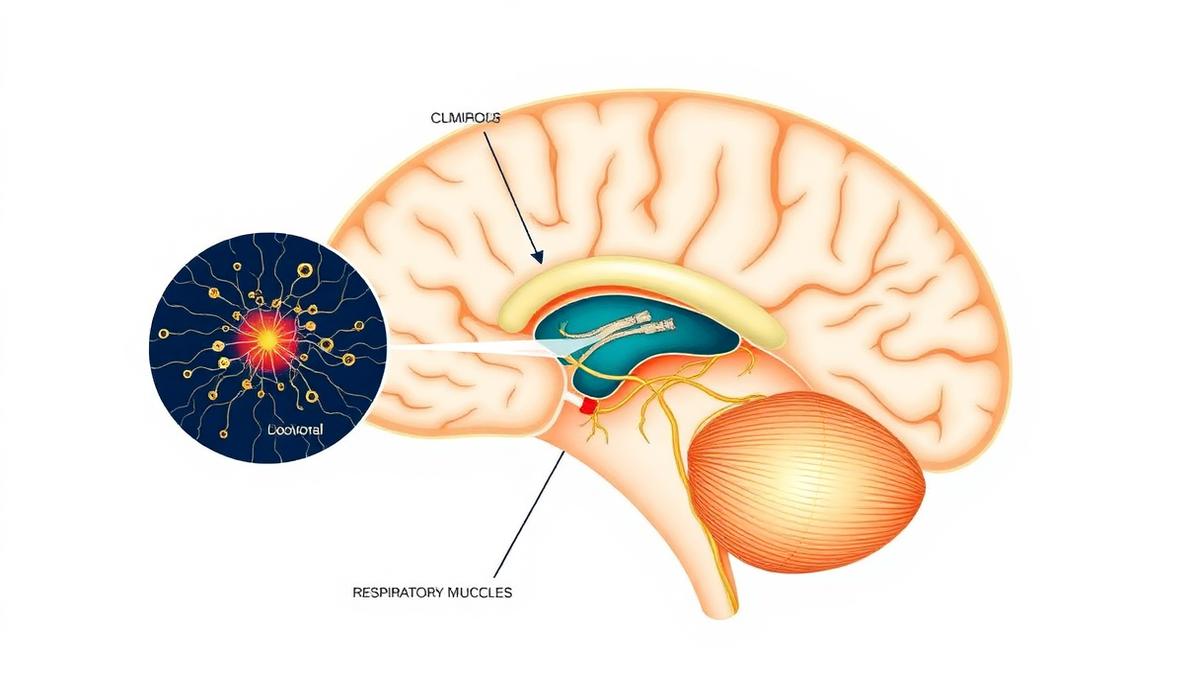
Figure 2: The pre-Bötzinger complex, discovered by Jack Feldman at UCLA, is a cluster of ~3,000 neurons that generates mammalian breathing rhythm and projects to brain centers controlling emotion and cognition.
"New data suggests that breathing rhythms play a role in cognitive function. We are in a good position to not only uncover the underlying mechanisms, but ultimately learn how to exploit them." — Jack Feldman, PhD, Distinguished Professor of Neurobiology, UCLA
If breathing rhythm directly influences the brain centers governing stress, focus, and emotional regulation, then breathwork is not merely a relaxation technique—it is a neurocognitive intervention with implications for everything from executive decision-making to dementia prevention.
1.2 The Vagus Nerve Highway and Heart Rate Variability
Stephen Porges, originator of the Polyvagal Theory, provided the conceptual framework for understanding how breathing interfaces with the autonomic nervous system (ANS). The vagus nerve—the longest cranial nerve, running from the brainstem to the abdomen—serves as a bidirectional information superhighway between the brain and visceral organs. [5] Slow, deliberate breathing stimulates the ventral vagal complex, shifting the body from sympathetic ("fight-or-flight") dominance toward parasympathetic ("rest-and-digest") tone. A 2022 meta-analysis by Laborde and colleagues confirmed that voluntary slow breathing produces significant increases in heart rate variability (HRV)—a biomarker recognized as one of the strongest predictors of cardiovascular resilience and overall healthspan. [6] For the endurance coach or practitioner, HRV provides a measurable biomarker that platforms like WHOOP, Oura, and Elite HRV capture continuously—enabling AI systems to correlate breathing interventions with performance outcomes in real time via a Digital Twin for Predictive Performance™.
1.3 Neuroplasticity: How Breathwork Remodels the Brain
Sara Lazar, a neuroscientist at Massachusetts General Hospital and Harvard Medical School, produced striking evidence that breath-focused meditation physically alters brain structure. Her landmark 2005 MRI study showed experienced meditators had significantly greater cortical thickness in regions associated with attention and interoception. [7] A follow-up controlled study demonstrated that even eight weeks of mindfulness training produced measurable increases in gray matter density in the hippocampus, temporo-parietal junction, and brainstem pons. [8] Most remarkably, 50-year-old meditators in Lazar's study had the same amount of frontal cortex gray matter as 25-year-olds—a powerful finding for anyone investing in cognitive longevity.
2. The Five Most Impactful Breathwork Modalities: An Evidence-Based Ranking
Not all breathing techniques are created equal, and the field is rife with marketing claims that outstrip the evidence. Below, ranked by the strength of their scientific support, are the five modalities with the most robust evidence for performance optimization and healthspan extension.
2.1 Cyclic Sighing (Exhale-Emphasis Breathing)
The Science: The 2023 Stanford study led by Andrew Huberman, David Spiegel, and Melis Yilmaz Balban remains the gold standard. In a randomized controlled trial of 111 participants, cyclic sighing—two nasal inhales followed by an extended mouth exhale, repeated for five minutes—outperformed box breathing, cyclic hyperventilation, and mindfulness meditation on measures of positive affect, respiratory rate reduction, and mood improvement. [2] The cyclic sighing group showed a 57% greater daily increase in positive affect compared to mindfulness meditators (1.91 vs. 1.22 points).
"Exhalation seems to trigger self-soothing reactions from the parasympathetic nervous system. After just five minutes a day, people not only felt happier, but they were physiologically more relaxed." — David Spiegel, MD, Associate Chair of Psychiatry, Stanford University
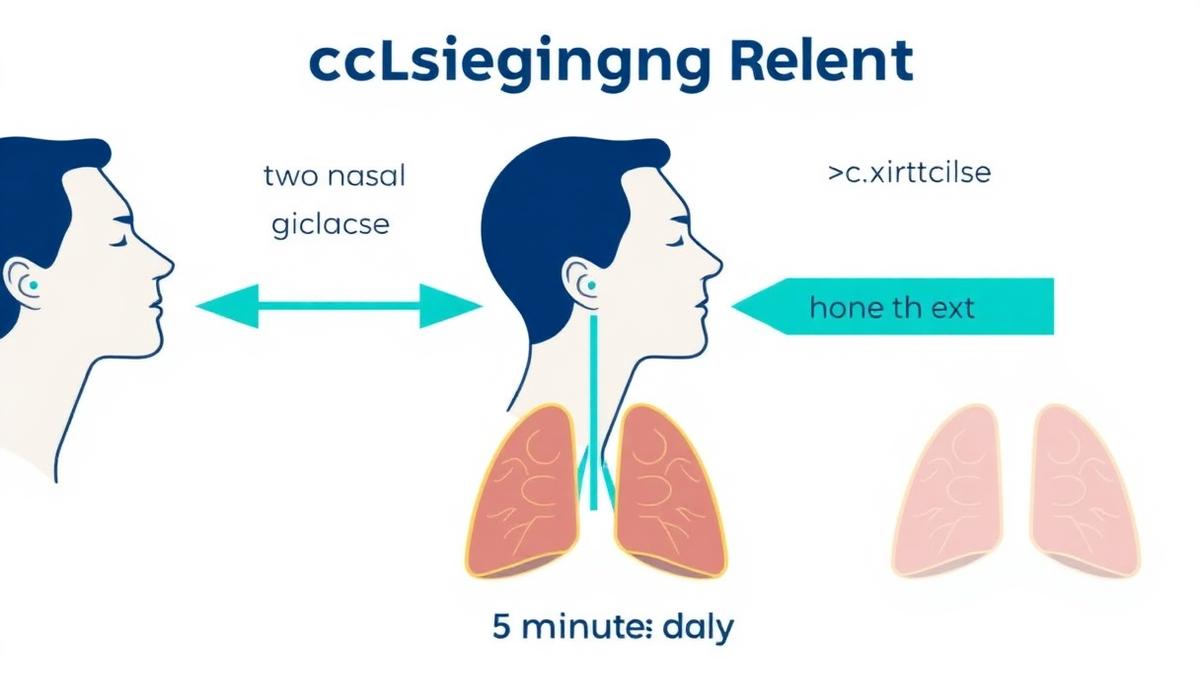
Figure 3: The cyclic sighing protocol tested at Stanford—two sharp nasal inhales followed by an extended mouth exhale. Five minutes daily outperformed mindfulness meditation for mood improvement and stress reduction.
The Mechanism: Cyclic sighing leverages a natural reflex first identified by Feldman's lab at UCLA, which in 2016 pinpointed the neuropeptides in the pre-Bötzinger complex that govern sighing, publishing their findings in Nature. The technique helps reinflate collapsed alveoli, optimizes CO₂ off-loading, and triggers a rapid shift toward parasympathetic dominance. [9]
Who It's For: Executives in high-stakes environments, athletes in taper phases, and anyone seeking rapid stress reduction. An endurance coach or practitioner can program five minutes of cyclic sighing into post-workout cooldowns, measuring recovery HRV through wearable-fed dashboards.
2.2 Resonance Frequency Breathing (Coherence Breathing at ~6 Breaths Per Minute)
The Science: Resonance frequency breathing involves slowing respiration to approximately 5.5–6 breaths per minute, matching the natural oscillation frequency of the cardiovascular system. Paul Lehrer, professor emeritus at Rutgers Robert Wood Johnson Medical School, has demonstrated that this rate produces maximal baroreflex gain—the body's ability to self-correct blood pressure fluctuations. [10] Richard Brown (Columbia University) and Patricia Gerbarg (New York Medical College) have documented powerful effects in clinical populations, including military veterans with PTSD, where combining coherence breathing with psychiatric care produced improvements that astonished specialists in the field. [11]
"When PTSD experts looked at our data, they said nothing works like this." — Patricia Gerbarg, MD, New York Medical College
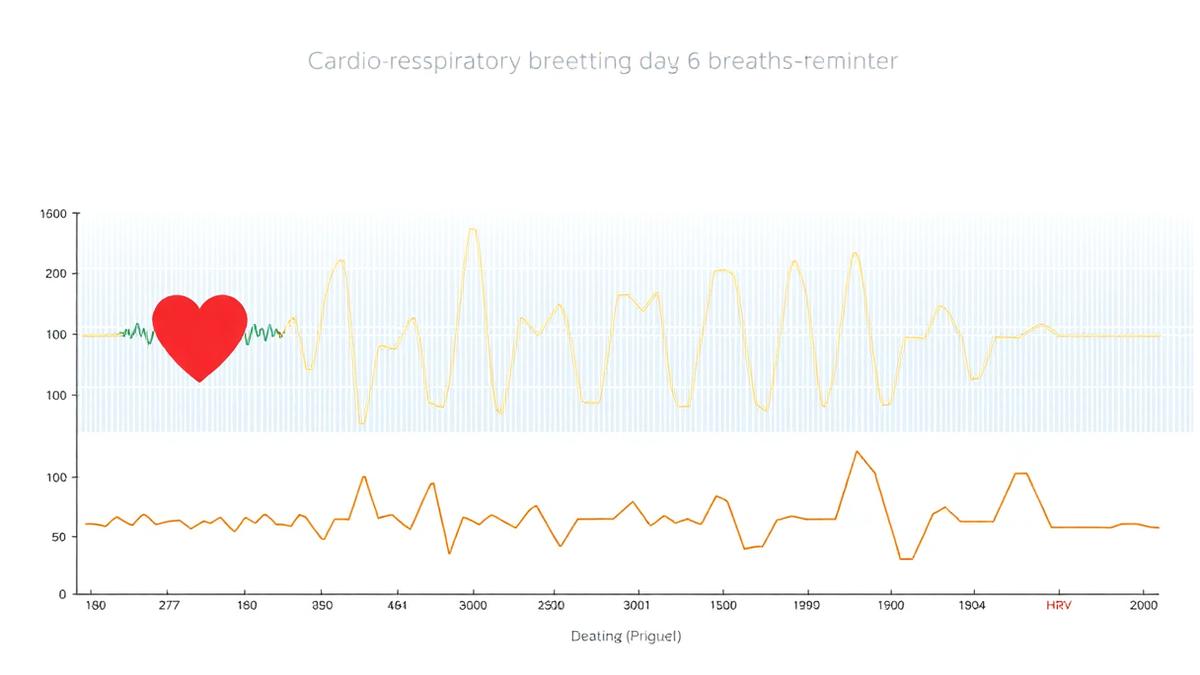
Figure 4: During resonance frequency breathing at ~6 breaths/minute, heart rate, blood pressure, and respiration become entrained—a state called cardiorespiratory coherence that maximizes autonomic efficiency and HRV.
AI Application: Companies like Elite HRV and Breathing.ai are developing algorithms that identify an individual's precise resonance frequency—which varies person to person—using wearable sensor data. This is the type of personalized respiratory profiling a Cardiorespiratory Digital Twin™ can integrate, adjusting over time as cardiovascular fitness changes. The HeartMath Institute's biofeedback devices (Inner Balance, emWave) provide real-time HRV data for an Endurance Coach / Practitioner's toolkit.
2.3 Buteyko Method / Oxygen Advantage (Nasal Breathing + CO₂ Tolerance Training)
The Science: Developed in the 1950s by Ukrainian physician Konstantin Buteyko and modernized by Patrick McKeown in his Oxygen Advantage system, this approach centers on habitual nasal breathing and progressive CO₂ tolerance training. McKeown, who studied at the Buteyko Clinic in Moscow and holds an MA from Trinity College Dublin, has worked with Olympic athletes and elite military personnel across 50+ countries. [12] A 2018 study by Dallam and colleagues found that runners who switched to nasal breathing maintained comparable VO₂max while reducing respiratory rate and perceived exertion. [13] A clinical trial at Limerick Regional Hospital demonstrated a 70% reduction in nasal dysfunction symptoms after Buteyko training.
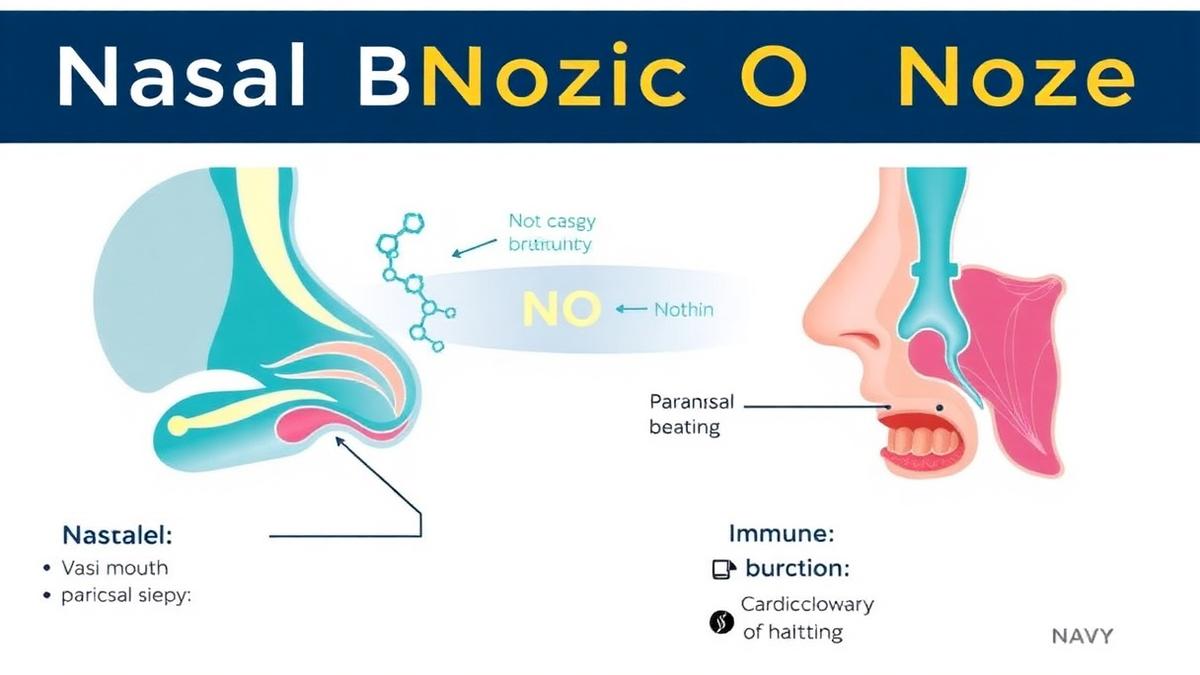
Figure 5: Nasal breathing produces nitric oxide in the paranasal sinuses—a vasodilator that improves oxygen delivery, supports immune function, and enhances cardiovascular health. Mouth breathing bypasses this mechanism entirely.
Who It's For: Endurance athletes seeking respiratory efficiency; anyone with sleep-disordered breathing; executives in climate-controlled offices where mouth breathing becomes habitual. The BOLT (Body Oxygen Level Test) score provides a quantifiable metric an Endurance Coach / Practitioner can track and correlate with training data in a Digital Twin for Predictive Performance™.
2.4 The Wim Hof Method (Cyclic Hyperventilation + Cold Exposure)
The Science: In 2014, Matthijs Kox and Peter Pickkers at Radboud University Medical Center published a landmark paper in PNAS demonstrating that 12 volunteers trained in the Wim Hof Method could voluntarily activate their sympathetic nervous systems and suppress innate immune responses when injected with bacterial endotoxin. [14] Pro-inflammatory cytokine levels dropped to half or one-third of normal—overturning the assumption that the autonomic nervous system could not be voluntarily influenced. A 2024 systematic review in PLOS ONE confirmed that combining breathwork with cold exposure most effectively reduces inflammatory markers, while a large-scale 2025 trial (N=404) found greater momentary improvements in energy and mental clarity versus mindfulness meditation.
"The autonomic nervous system is not called autonomic for nothing. It's not generally considered to be voluntarily influenceable. But that's exactly what these trained individuals demonstrated." — Matthijs Kox, PhD, Radboud University Medical Center
Who It's For: High-performing individuals seeking immune resilience and mental fortitude. Stig Severinsen, the Danish freediver and four-time world champion, has integrated elements into broader performance protocols. Important Caveat: The technique involves deliberate hyperventilation, which can cause transient hypocapnia, lightheadedness, and rarely loss of consciousness. It should never be performed near water and benefits from oversight by a qualified practitioner monitoring physiological responses through wearable data.
2.5 Pranayama-Derived Slow Breathing (Diaphragmatic + Alternate Nostril Breathing)
The Science: The oldest breathwork traditions—dating back over 3,000 years to the Vedic texts—are now being validated by modern neuroimaging. Sudhir Jerath and colleagues proposed a mechanistic model for how slow pranayamic breathing shifts autonomic balance through extended exhalation phases. [15] A 2017 Frontiers in Psychology study found that eight weeks of diaphragmatic breathing training produced significant improvements in sustained attention and decreases in cortisol. [16] Richard Davidson (University of Wisconsin-Madison) has documented through fMRI how sustained breathing practices produce lasting changes in emotion-regulation circuitry. [17] Emma Seppälä (formerly Stanford CCARE, now Yale) led a 2014 study demonstrating that Sudarshan Kriya Yoga significantly decreased PTSD symptoms in U.S. military veterans. [18]
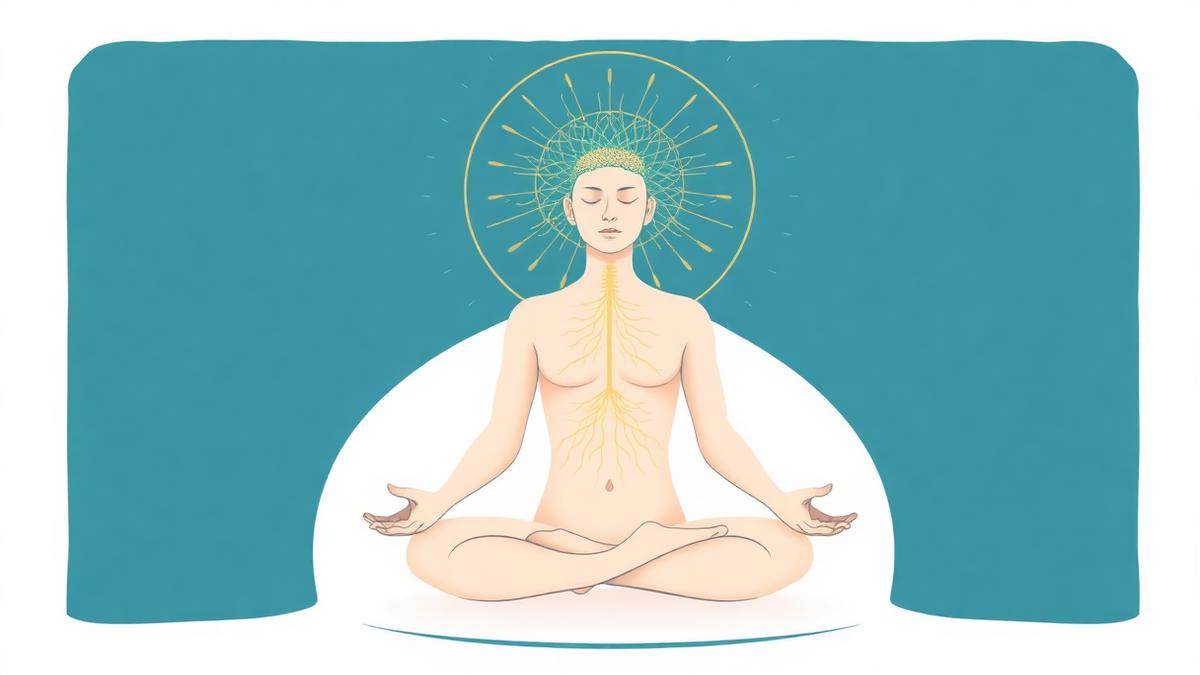
Figure 6: Pranayama-derived slow breathing activates parasympathetic pathways through extended exhalation, with 3,000+ years of practice now validated by modern neuroimaging and controlled trials.
Who It's For: Everyone—this is the foundational skill from which all other breathwork derives. Based on a ten-year longitudinal study showing morning breath exercises prolonged lifespan in respiratory cancer patients, it may also contribute directly to extended survival. [19]
2.6 Evolutionary Breathwork (A Neuro-Somatic Framework for Identity-Level Change)
Unlike the more clinically codified protocols above, a new class of breathwork integrates continuous rhythmic breathing with somatic processing and subconscious reconditioning. Evolutionary Breathwork represents a structured approach within this category—designed not just to regulate physiology, but to recalibrate the patterns that drive behavior, stress response, and performance.
The method is built on a continuous two-part inhale to one-part exhale pattern, sustaining activation while opening access to limbic and subconscious processes. What differentiates this approach is the structured state-conditioning phase preceding the breathwork, designed to reduce cognitive resistance and increase emotional accessibility.
The Evolutionary Breathwork Framework:
-
Priming (State Conditioning): The session begins by preparing the system for depth. This phase integrates kundalini-based movement to activate physiological energy, NLP-based intention setting to engage and quiet the cognitive mind, and somatic and emotional access work—including anger release and inner child frameworks. The result is reduced internal resistance and increased access to subconscious material.
-
Activation (Physiological Upregulation): Continuous rhythmic breathing alters CO₂/O₂ balance, increasing neural excitability and autonomic activation—creating access to deeper layers of the limbic system.
-
Release (Somatic + Emotional Processing): Stored stress patterns, emotional imprints, and unresolved experiences surface and discharge through bottom-up processing.
-
Repatterning (Neuroplastic Integration): With the system in a heightened, plastic state, new patterns can be introduced—reshaping stress responses, emotional resilience, and behavioral defaults.
Throughout the process, precisely sequenced music is used to guide emotional pacing and reinforce state transitions—leveraging auditory entrainment to influence the subconscious in parallel with the physiological experience.
From a systems perspective, this approach:
- Engages both top-down (cognitive) and bottom-up (somatic) pathways
- Facilitates emotional processing through controlled state induction
- Leverages neuroplasticity for durable behavioral change
Govindi Juneja, Founder of Evolutionary Breathwork, applies this framework across individual and group settings, working at the intersection of performance optimization and deep internal recalibration.
Who It's For: High-performing individuals who have optimized external inputs but remain limited by internal patterns—chronic stress loops, emotional reactivity, or subconscious constraints.
Evidence Status: Formal trials are still emerging, but converging research in neuroplasticity, somatic therapy, and trauma processing supports the underlying mechanisms—positioning this as a frontier modality in performance and longevity.
3. The AI-Powered Breathing Revolution: From Generic Protocols to Personalized Respiratory Medicine
3.1 From Wearables to Digital Twins
A single modern wearable device now captures respiratory rate, heart rate, HRV, blood oxygen saturation, skin temperature, accelerometry, and sleep staging. When integrated with biomarker panels, genetic profiles, and clinical records, these data streams form the substrate for a Cardiorespiratory Digital Twin™ and Digital Twin for Predictive Peptide Performance™. As Tony Medrano has argued throughout this newsletter series, the real power of the Digital Twin concept lies in predictive modeling: What is the optimal breathing protocol for this individual given their current HRV trend, sleep quality, training load, and cortisol cycle? How will switching to nasal breathing during Zone 2 training affect their VO₂max trajectory over 90 days?
These are not hypothetical capabilities. Breathing.ai is developing AI-driven platforms for real-time breathing monitoring and personalized feedback. Quantiq.io has launched Zenbox, an AI breathing coach using biometric data to calibrate protocols dynamically. Airofit, a Danish company, has created an FDA-registered respiratory training device with machine learning that adjusts resistance based on individual progress. POWERbreathe International offers inspiratory muscle training devices used by the Cleveland Clinic Center for Integrative & Lifestyle Medicine.
What remains less quantified—but no less critical—is the role of subconscious patterning and emotional regulation in shaping physiological outputs. Metrics such as HRV, sleep quality, and recovery scores are not only influenced by external behaviors but also by deeply ingrained stress responses and cognitive-emotional patterns.
This introduces a new frontier for AI-driven health optimization: the integration of experiential, somatic interventions with biometric feedback loops.
Practices such as Evolutionary Breathwork, which actively engage emotional processing and nervous system recalibration, may serve as inputs capable of shifting baseline physiological patterns—thereby altering the data streams that Digital Twins rely on. In this model, breathwork is not merely a recovery tool, but a mechanism for updating the system itself.
As platforms evolve, the convergence of:
- Real-time biometric data (HRV, respiratory rate, sleep architecture)
- AI-driven predictive modeling
- And state-dependent, experiential interventions
…may enable a new class of personalized protocols—where internal state transformation and external data optimization operate as a closed feedback loop.
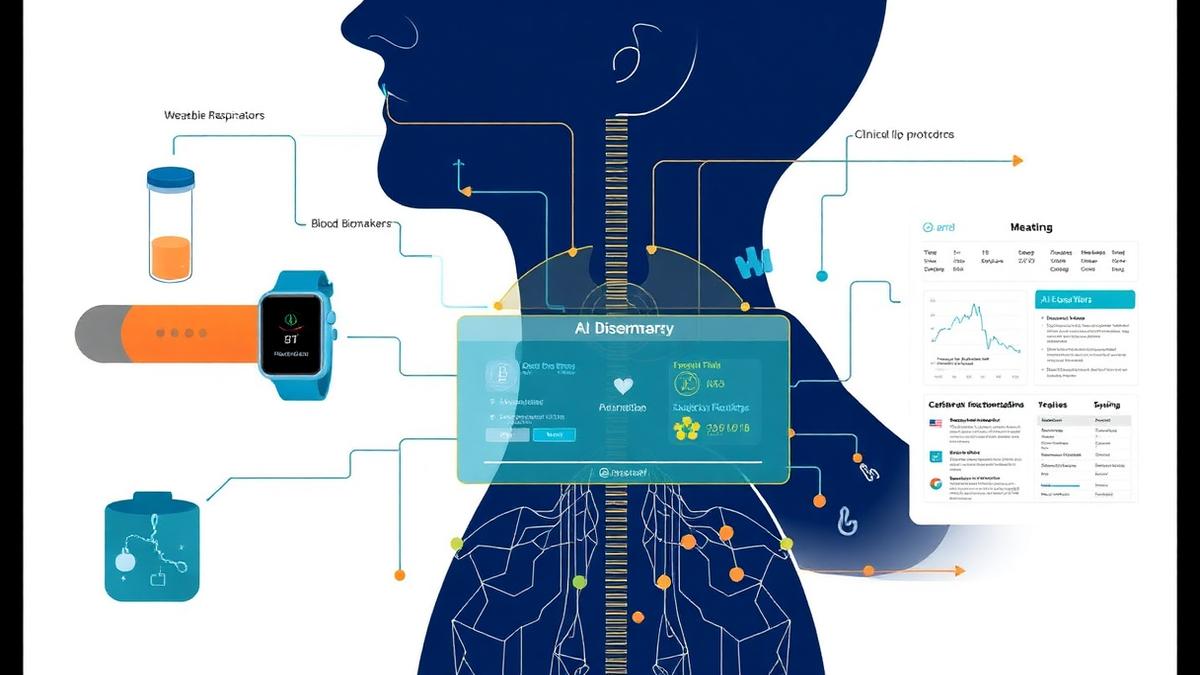
Figure 7: A Digital Twin for Predictive Performance™ or a Cardiorespiratory Digital Twin™ integrates wearable respiratory data, blood biomarkers, and clinical records to generate continuously optimized, AI-guided breathing protocols.
3.2 The Ecosystem: How Companies Are Addressing Market Demand
InsideTracker integrates blood biomarker data with lifestyle factors, correlating HRV-derived breathwork metrics with inflammatory markers like hsCRP and IL-6. Function Health provides 100+ biomarker panels as raw inputs for Digital Twin modeling. TwinHealth uses AI-powered digital twins for metabolic optimization—an analogy for what a Cardiorespiratory Digital Twin™ achieves for respiratory health. Fountain Life includes advanced pulmonary function testing in executive health panels, providing the baseline data that enables pre- and post-intervention comparison. Viome's whole-body intelligence tests generate systemic inflammation data correlatable with breathwork-driven autonomic changes.
What LongevityPlan.AI brings to this ecosystem is the integration layer: rather than manually synthesizing data from WHOOP, blood panels, and standalone breathing apps, a Cardiorespiratory Digital Twin™ ingests multiple data streams, applies machine learning models trained on longitudinal outcomes, and generates continuously updated protocols tailored to the individual's current state and long-term healthspan goals.
4. Real-World Applications: From the Boardroom to the Starting Line
4.1 Professional and Olympic Athletics
Allison Brager, a neuroscientist who has worked with the U.S. Army's Holistic Health and Fitness program, has documented the relationship between sleep architecture, breathing patterns, and recovery in high-performance populations. Stanford's Human Performance Lab has incorporated breathing assessments into athlete monitoring. Mark Divine, former Navy SEAL commander and founder of SEALFIT, systematized box breathing as a pre-mission protocol now taught through the National Center for Telehealth & Technology's Breathe2Relax program. Brian Mackenzie, co-founder of SH//FT (Human Performance), has pioneered integrating deliberate breathing protocols with athletic training across the NFL, NBA, and UFC—combining nasal breathing, CO₂ tolerance training, and thermal exposure into structured periodization models.
4.2 Corporate Performance and Executive Healthspan
Herbert Benson, the Harvard cardiologist who coined the term "relaxation response" in 1975, established the scientific foundation for how slow breathing counteracts physiological stress. [20] The Benson-Henry Institute at Massachusetts General Hospital continues this research, now incorporating AI-driven analysis. Helen Lavretsky (UCLA) has demonstrated that breathing-based interventions improve cognitive function and reduce biological markers of cellular aging in older adults—her work with Kirtan Kriya showed upregulation of telomerase activity, the enzyme that maintains telomere length.
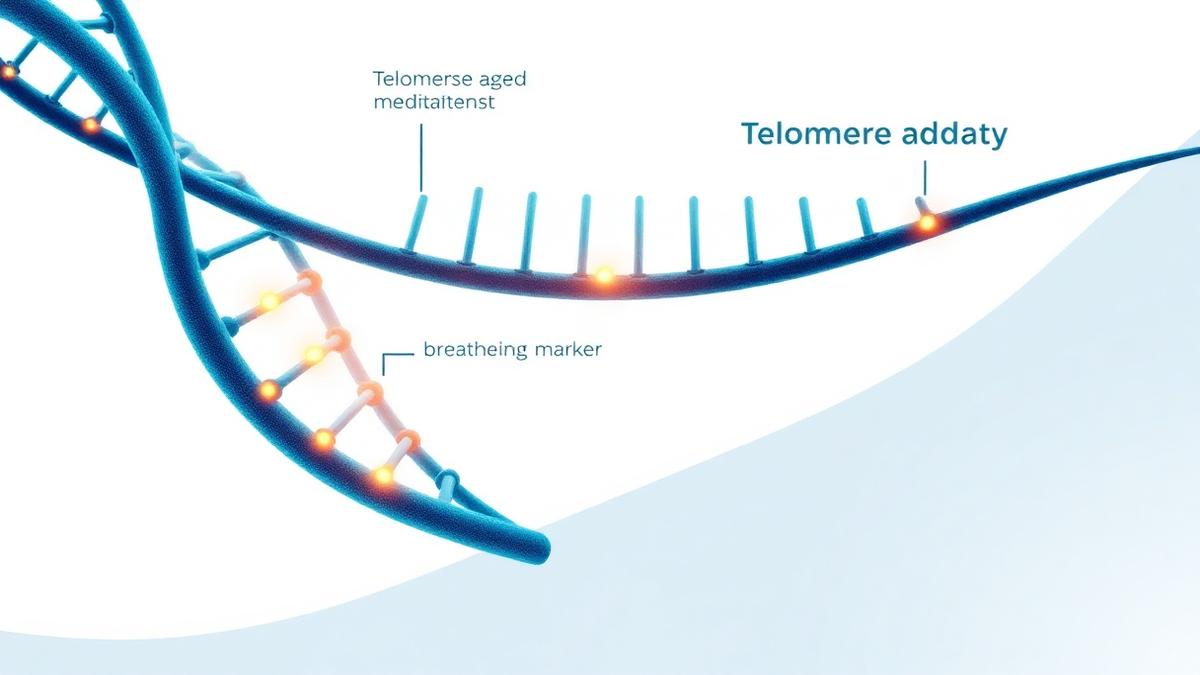
Figure 8: Research by Helen Lavretsky at UCLA demonstrated that breath-based meditation upregulated telomerase activity—the enzyme that maintains telomere length, one of the most established markers of biological aging.
The Stanford Center for Compassion and Altruism Research and Education (CCARE) has documented improvements in emotional intelligence and leadership capacity following structured breathing programs. For C-suite executives investing in longevity medicine, breathwork offers the highest ROI of any intervention: it is free, equipment-free, produces measurable changes within days, and can be continuously optimized through data-driven platforms.
Alongside clinical and data-driven interventions, a growing number of practitioners are introducing integrative breathwork experiences into executive and leadership environments, targeting not only stress reduction but the underlying subconscious patterns that influence decision-making, resilience, and leadership presence.
Govindi Juneja, Founder of Evolutionary Breathwork, has facilitated experiences for individuals and groups operating in high-performance environments, combining continuous breath patterns with somatic release and subconscious reprogramming techniques. Her work reflects a broader shift in corporate wellness—from surface-level stress management to deep internal recalibration that impacts cognition, behavior, and long-term performance.
As executive health continues to evolve, the integration of quantified physiological data (HRV, wearables, AI modeling) with experiential, somatic modalities may represent the next phase of optimization—bridging measurable biology with the internal drivers of performance.
4.3 Respiratory Training Devices and Digital Platforms
The hardware market is maturing: Airofit's FDA-cleared digital respiratory trainer provides AI-guided progressive training; WellO2 (Finland) combines warm steam with resistance breathing; The Breather by PN Medical serves clinical pulmonary rehabilitation. On the software side, Breathwrk offers research-based guided protocols, Othership combines breathwork with sauna and cold plunge experiences, and InnerCamp has developed a neuroscience-informed professional certification for breathwork instructors. The MIT Media Lab's Affective Computing Group, led by Rosalind Picard, is exploring how respiratory patterns from wearable sensors can serve as inputs for emotion-aware AI systems. The University of Oxford's Centre for Human Brain Activity is researching how breathing-entrained neural oscillations affect cognition—potentially providing the neurological basis for personalized breathing prescriptions.
5. Breathwork and Longevity: The Emerging Evidence for Lifespan Extension
The direct evidence linking breathwork to increased lifespan is still emerging, but the indirect pathways are well-documented. A systematic review identified consistent reductions in resting heart rate, blood pressure, and sympathetic activation—all established risk factors for leading causes of mortality. [21] The most striking direct evidence comes from a ten-year study of respiratory cancer patients showing that regular morning breathing exercises significantly prolonged survival. [19]
The inflammation connection deserves particular attention. Chronic low-grade inflammation ("inflammaging") is recognized as a central driver of age-related disease. The Radboud findings on the Wim Hof Method—where trained individuals voluntarily suppressed pro-inflammatory cytokine production [14]—carry potentially profound implications for longevity if the effect proves durable. James Nestor, author of Breath: The New Science of a Lost Art, has argued that correcting dysfunctional breathing patterns may be among the highest-leverage health interventions available. [22] Anders Olsson, the Swedish breathing educator whose Conscious Breathing method emphasizes the relationship between nasal breathing, nitric oxide production, and cardiovascular health, has popularized similar principles across Scandinavian athletic communities.
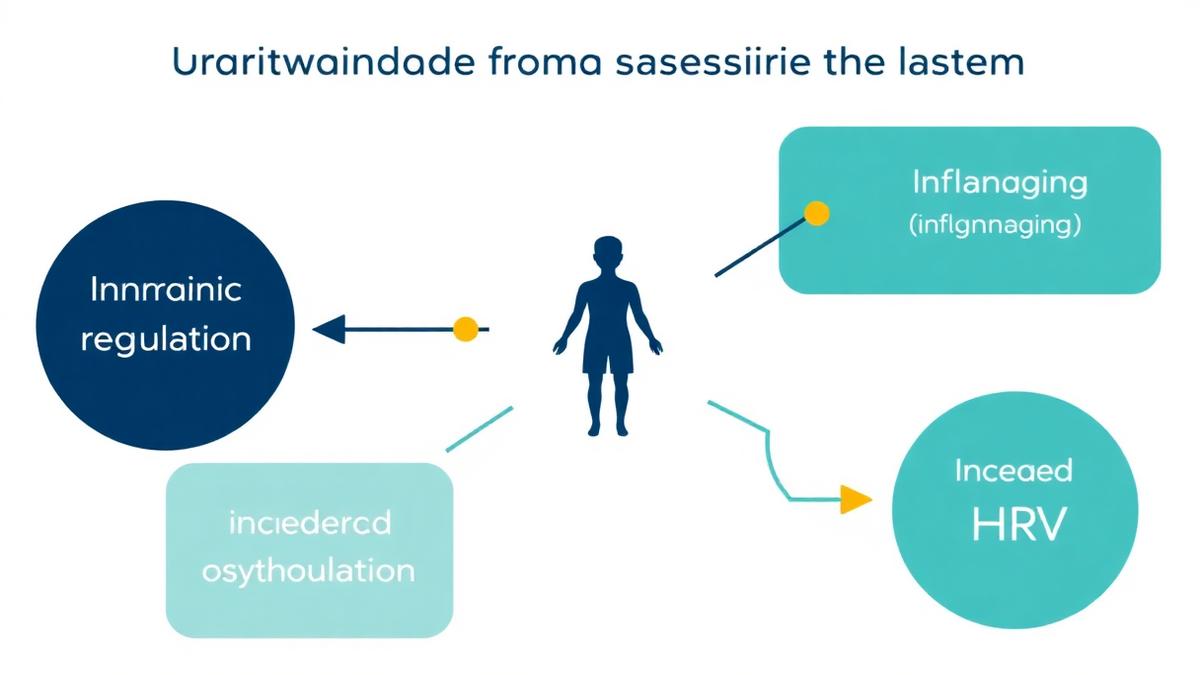
Figure 9: The indirect pathways from breathwork to lifespan extension: improved autonomic regulation, reduced chronic inflammation ("inflammaging"), enhanced oxygenation, and increased HRV—each an established predictor of mortality risk.
6. Building Your Personalized Breathwork Protocol
Based on the evidence reviewed, here is a framework integrating all five modalities into a structured, periodized approach:
Foundation Layer (Daily): Diaphragmatic nasal breathing during all non-exercise waking hours and sleep. Track via wearable data; consider mouth tape for sleep (as recommended by McKeown and Nestor).
Recovery & Stress Management (Daily, 5–10 min): Cyclic sighing post-workout or post-workday (Stanford protocol). Alternatively, resonance frequency breathing at your individually calibrated rate, guided by HRV biofeedback.
Performance Optimization (Training Days): CO₂ tolerance training via Oxygen Advantage protocols in warm-ups and Zone 2 sessions. Hypoventilation training during controlled exercise, monitored by a qualified Endurance Coach / Practitioner. Woorons and colleagues demonstrated transferable benefits from cycle hypoventilation training to running performance. [23]
Immune Resilience (2–3x Weekly, Supervised): Controlled Wim Hof-style cyclic hyperventilation with cold exposure, monitored through wearable data. Not for beginners.
Cognitive Longevity (Weekly, 20–45 min): Extended pranayama-based slow breathing with alternate nostril breathing and retention—where the neuroplasticity evidence from Lazar's and Davidson's labs is most relevant, as brain remodeling requires sustained practice over weeks to months.
Data Integration: Each layer generates data—HRV responses, respiratory rate trends, sleep metrics, well-being scores—that feeds into a longitudinal model. Whether using Elite HRV or a comprehensive platform like LongevityPlan.AI, the goal is to build continuously optimized AI-guided respiratory protocols that adapt to your changing physiology.
7. Conclusion: The Breath Is the Bridge
In the hierarchy of physiological interventions, breathwork occupies a unique position: simultaneously the most ancient and the most technologically enabled health practice. It directly modulates the autonomic nervous system, reshapes brain architecture, influences immune function, and may contribute to extended lifespan.
The convergence of neuroscience (Feldman, Lazar, Davidson, Porges), clinical medicine (Brown, Gerbarg, Benson), performance science (Huberman, Spiegel, McKeown, Mackenzie), and AI is creating a future in which breathing protocols are as precisely calibrated as nutrition plans or training loads. David E. Presti, a neurobiologist at UC Berkeley, has written extensively on how breath represents the interface between voluntary and involuntary nervous system control—a bridge we are only beginning to cross with precision.
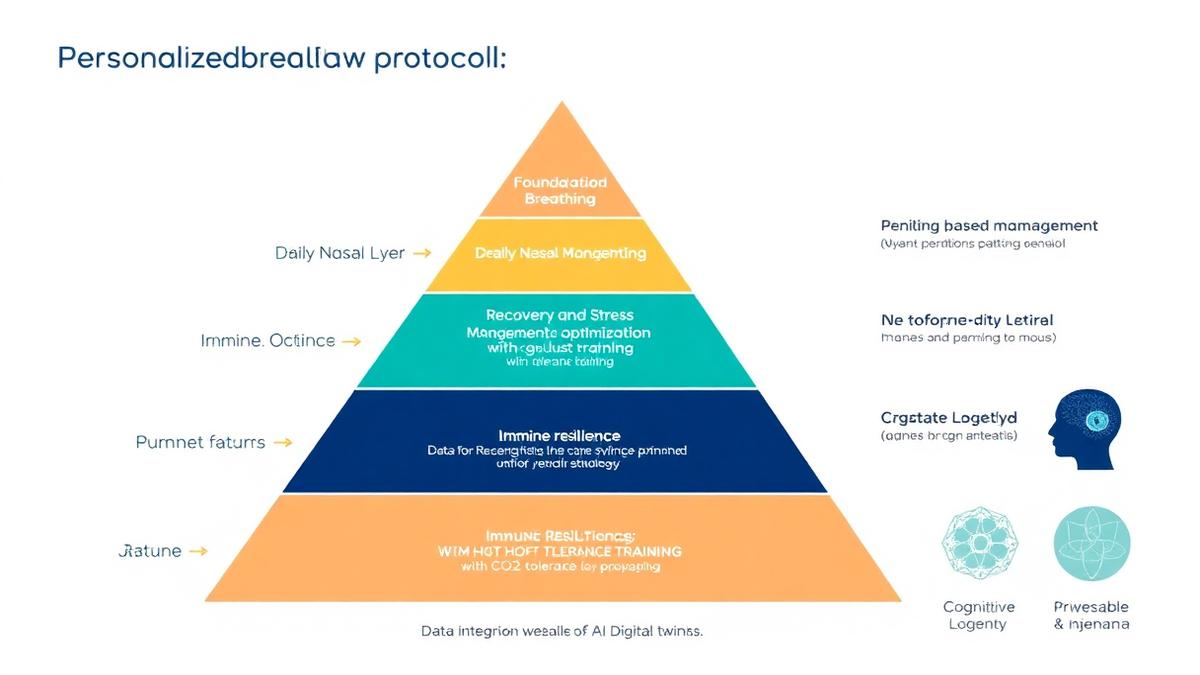
Figure 10: The personalized breathwork protocol pyramid—five evidence-based modalities layered from foundational (daily nasal breathing) to advanced (supervised Wim Hof and pranayama), integrated through wearable data and AI-powered Digital Twins.
For the athlete extending a competitive career, the executive seeking sustained cognition into their 70s, or the parent investing in a child's long-term health, the science is clear: your breath is the most accessible lever for modulating the systems that determine how well and how long you live. The question is no longer whether to incorporate breathwork. It's whether you're doing it with the precision the data now demands.
As the old yogic saying goes—now validated by Stanford, Harvard, UCLA, and Radboud University—life is measured in breaths, not years. The smart money is on making each one count.
Evolutionary Breathwork doesn't just regulate the nervous system—it rewires the patterns that run it.
About the Authors
Tony Medrano is CEO and co-founder of LongevityPlan.AI, a platform that integrates performance and health data from athletes and leverages proprietary Cardiorespiratory Digital Twin™ technology, wearable data, and biomarker data to deliver personalized performance optimization and longevity recommendations to athletes, coaches, organizations, businesses, government, and the military. In addition to being a 3x technology / AI company CEO with 2 successful exits, Tony has also finished 3 Full Ironman Triathlons (140.6 mi) since 2019. He has degrees from Harvard University, Columbia University, and a JD/MBA from Stanford University. Tony has been involved with AI and molecular diagnostic start-ups for 10 years, and also worked with the US Olympic Team, National Basketball Association (NBA), National Football League (NFL), Major League Baseball (MLB), Iditarod, FBI, NASA, U.S. Department of Health and Human Services (HHS), Google, Microsoft, Netflix, Bridgewater Associates, ConocoPhillips, British Petroleum, One Medical, and Jenny Craig, Inc. to provide technology, artificial intelligence and/or molecular diagnostics solutions to their employees.
Govindi Juneja is a global breathwork facilitator and human performance practitioner at the forefront of somatic intelligence, nervous system optimization, and next-generation wellness technologies. She is the creator of Evolutionary Breathwork, a proprietary four-phase neuro-somatic system that integrates rhythmic breathing, kundalini-based movement, NLP, somatic experiencing, emotional release, and precision music sequencing to recalibrate the nervous system, unlock subconscious patterns, and elevate performance.
After leaving a career in sales and marketing nearly a decade ago, Govindi embarked on her "surrender experiment"—an immersive exploration into human potential, intuition, and the body's innate capacity for transformation. That pursuit evolved into a scalable methodology impacting individuals and groups worldwide.
With advanced training across yoga, somatic therapy, NLP, psychology, and the healing arts, she guides participants through deep emotional recalibration, heightened cognitive clarity, and expanded intuitive awareness—outcomes increasingly recognized as critical for both longevity and high performance.
Govindi has facilitated large-scale breathwork events, international retreats, and immersive experiences for diverse populations—from trauma survivors, veterans, and formerly incarcerated individuals to high-performing executives, entrepreneurs, and individuals operating in high-stakes environments. Her work positions breath as not merely a tool, but a measurable lever for personal transformation and sustainable performance optimization.
Endnotes
[1] Migliaccio, G.M., Russo, L., Maric, M., & Padulo, J. (2023). Sports Performance and Breathing Rate: What Is the Connection? A Narrative Review on Breathing Strategies. Sports, 11(5), 103. DOI: 10.3390/sports11050103
[2] Balban, M.Y., Neri, E., Kogon, M.M., Weed, L., Nouriani, B., Jo, B., Holl, G., Zeitzer, J.M., Spiegel, D., & Huberman, A.D. (2023). Brief structured respiration practices enhance mood and reduce physiological arousal. Cell Reports Medicine, 4(1), 100895. DOI: 10.1016/j.xcrm.2022.100895
[3] Feldman, J.L. & Del Negro, C.A. (2006). Looking for inspiration: new perspectives on respiratory rhythm. Nature Reviews Neuroscience, 7(3), 232–242.
[4] Ashhad, S., Kam, K., Del Negro, C.A., & Feldman, J.L. (2022). Breathing Rhythm and Pattern and Their Influence on Emotion. Annual Review of Neuroscience, 45, 223–247.
[5] Porges, S.W. (2011). The Polyvagal Theory: Neurophysiological Foundations of Emotions, Attachment, Communication, and Self-Regulation. W.W. Norton & Company.
[6] Laborde, S., Allen, M.S., Borges, U., et al. (2022). Effects of voluntary slow breathing on heart rate and heart rate variability: A systematic review and a meta-analysis. Neuroscience & Biobehavioral Reviews, 138, 104711.
[7] Lazar, S.W., Kerr, C.E., Wasserman, R.H., et al. (2005). Meditation experience is associated with increased cortical thickness. NeuroReport, 16(17), 1893–1897.
[8] Hölzel, B.K., Carmody, J., Vangel, M., et al. (2011). Mindfulness practice leads to increases in regional brain gray matter density. Psychiatry Research: Neuroimaging, 191(1), 36–43.
[9] Spiegel, D. (2023). Quoted in Stanford Medicine News: 'Cyclic sighing can help breathe away anxiety.' See also: Li, J., et al. (2016). A molecular mechanism for sighing. Nature, 530(7590), 293–297.
[10] Lehrer, P.M. & Gevirtz, R. (2014). Heart rate variability biofeedback: how and why does it work? Frontiers in Psychology, 5, 756.
[11] Brown, R.P. & Gerbarg, P.L. (2005). Sudarshan Kriya yogic breathing in the treatment of stress, anxiety, and depression: Part I—neurophysiologic model. Journal of Alternative and Complementary Medicine, 11(1), 189–201.
[12] McKeown, P. (2015). The Oxygen Advantage: Simple, Scientifically Proven Breathing Techniques to Help You Become Healthier, Slimmer, Faster, and Fitter. William Morrow.
[13] Dallam, G.M., McClaran, S.R., Cox, D.G., & Foust, C.P. (2018). Effect of Nasal Versus Oral Breathing on Vo2max and Physiological Economy in Recreational Runners. International Journal of Kinesiology and Sports Science, 6(2), 22–29.
[14] Kox, M., van Eijk, L.T., Zwaag, J., et al. (2014). Voluntary activation of the sympathetic nervous system and attenuation of the innate immune response in humans. Proceedings of the National Academy of Sciences, 111(20), 7379–7384.
[15] Jerath, R., Edry, J.W., Barnes, V.A., & Jerath, V. (2006). Physiology of long pranayamic breathing: Neural respiratory elements may provide a mechanism that explains how slow deep breathing shifts the autonomic nervous system. Medical Hypotheses, 67(3), 566–571.
[16] Ma, X., Yue, Z.Q., Gong, Z.Q., et al. (2017). The Effect of Diaphragmatic Breathing on Attention, Negative Affect and Stress in Healthy Adults. Frontiers in Psychology, 8, 874.
[17] Davidson, R.J. & Lutz, A. (2008). Buddha's Brain: Neuroplasticity and Meditation. IEEE Signal Processing Magazine, 25(1), 176–174.
[18] Seppälä, E.M., Nitschke, J.B., Tudorascu, D.L., et al. (2014). Breathing-Based Meditation Decreases Posttraumatic Stress Disorder Symptoms in U.S. Military Veterans. Journal of Traumatic Stress, 27(4), 397–405.
[19] Wu, W.J., Wang, S.H., Ling, W., et al. (2020). Morning breathing exercises prolong lifespan by improving hyperventilation in people living with respiratory cancer. Medicine, 99(31), e21202.
[20] Benson, H. (1975). The Relaxation Response. William Morrow and Company. Updated research: Benson-Henry Institute for Mind Body Medicine, Massachusetts General Hospital.
[21] Zaccaro, A., Piarulli, A., Laurino, M., et al. (2018). How Breath-Control Can Change Your Life: A Systematic Review on Psycho-Physiological Correlates of Slow Breathing. Frontiers in Human Neuroscience, 12, 353.
[22] Nestor, J. (2020). Breath: The New Science of a Lost Art. Riverhead Books.
[23] Woorons, X., Billaut, F., & Vandewalle, H. (2020). Transferable benefits of cycle hypoventilation training for run-based performance in team-sport athletes. International Journal of Sports Physiology and Performance, 15(8), 1103–1108.